
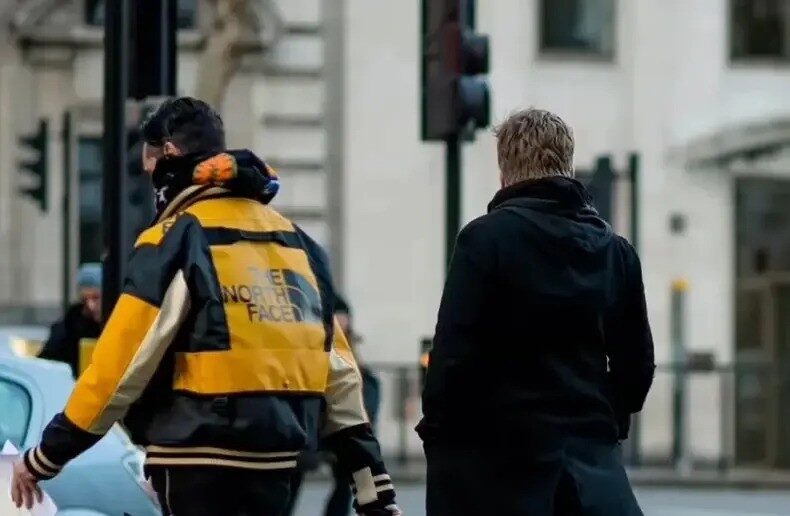
The North Face, a brand historically synonymous with rugged outdoor exploration, has evolved far beyond its alpine roots to become a formidable force in modern urban fashion. What began as a functional outfitter for mountaineers and outdoor enthusiasts has transformed into a symbol of streetwear culture, blending technical performance with sartorial swagger. Today, its jackets, backpacks, and fleeces are not just tools for adventure—they are staples of urban identity, markers of taste, and signifiers of cultural relevance.
From Outdoor Essentials to Urban Staples
Originally founded in 1966, The North Face built its reputation on designing durable, high-performance gear capable of withstanding extreme weather conditions. The brand’s iconic Thermoball jackets, Nuptse parkas, and fleece-lined pullovers were created with mountaineers and hikers in mind, emphasizing insulation, lightweight materials, and practicality. However, in the last decade, the fashion world has redefined utility as an aesthetic. Consumers began to crave clothing that not only performed well in outdoor environments but also made a statement on city streets.
This shift marked the beginning of The North Face’s journey into streetwear. What makes the brand so compelling in this context is its ability to retain authenticity. Unlike many luxury brands that borrow outdoor aesthetics as a passing trend, The North Face has always lived and breathed technical design. The result is streetwear that feels genuine—clothing that could genuinely survive a Himalayan trek while looking effortlessly cool during a walk through downtown Manhattan.
Collaborations That Changed the Game
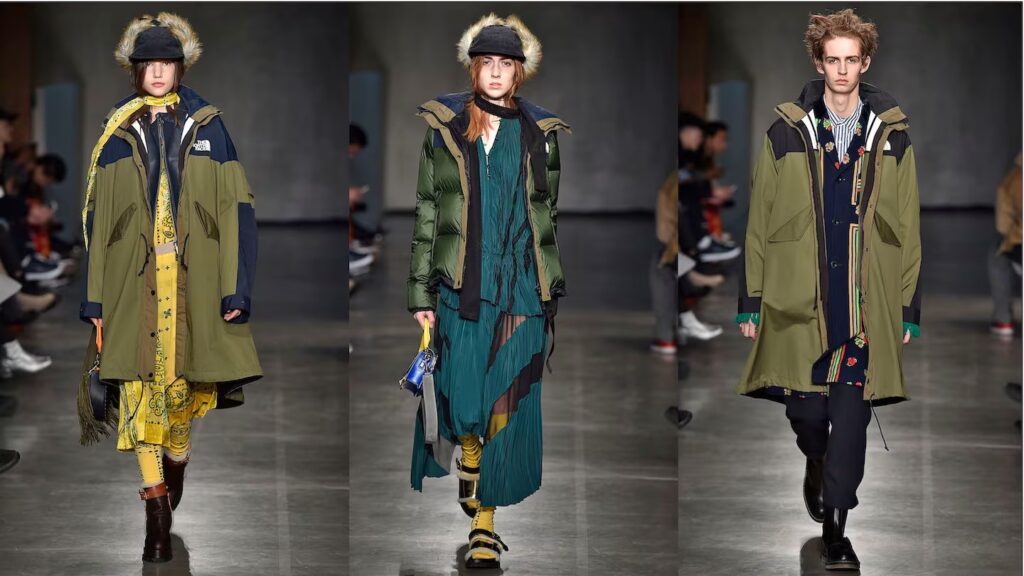
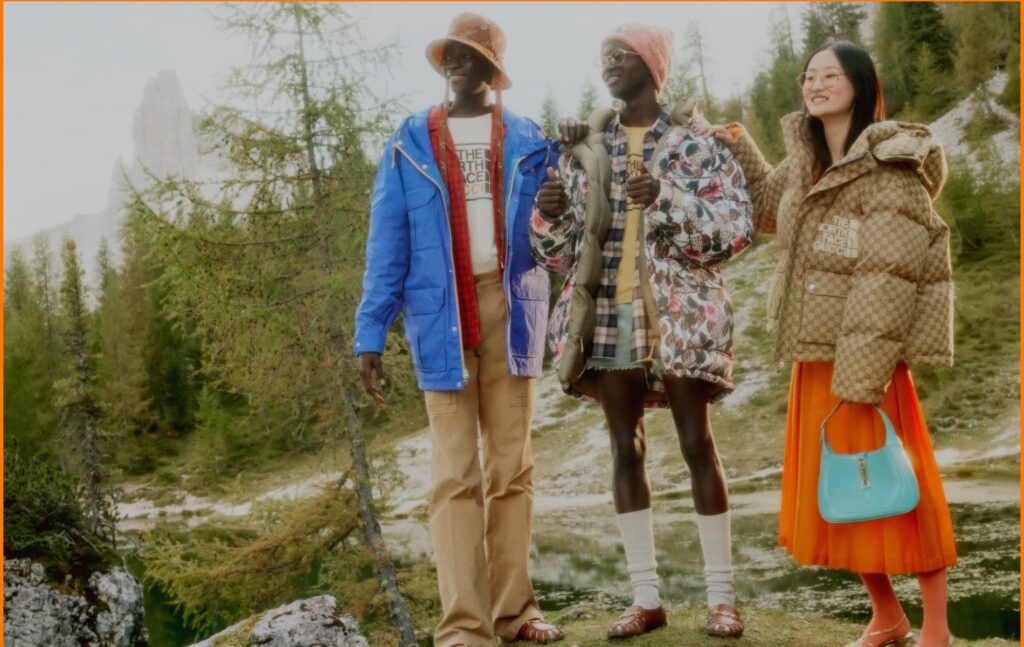
A significant factor in The North Face’s penetration into streetwear culture has been its strategic collaborations with fashion-forward labels. Partnerships with brands like Supreme, Gucci, and Junya Watanabe have transformed the utilitarian into the aspirational. When Supreme launched a limited edition The North Face collection, hoodies and jackets once confined to mountain expeditions became coveted items in skate parks and subway stations. The thrill of scarcity combined with The North Face’s technical reputation created a perfect storm for streetwear enthusiasts and fashion influencers alike.
These collaborations are more than marketing gimmicks—they have cultivated a cultural dialogue around the brand. Supreme x The North Face collections, for instance, juxtapose urban rebellion with alpine resilience. Bold colorways, exaggerated silhouettes, and reimagined logos allow wearers to signal affiliation with a style-conscious community while also honoring the brand’s outdoor legacy. In the fashion world, such collaborations blur the line between functionality and artistry, elevating what was once mere equipment into statement pieces worthy of magazine spreads and social media clout.
The Appeal of Technical Aesthetics
At the core of The North Face’s streetwear success is the allure of technical aesthetics. Urban fashion has always flirted with the utilitarian—think cargo pants, military jackets, and work boots—but The North Face has elevated it to an art form. Features like waterproof zippers, reinforced seams, and adjustable hoods are no longer hidden design elements; they are proudly displayed. These technical cues communicate both sophistication and practicality, appealing to consumers who value smart design as much as style.
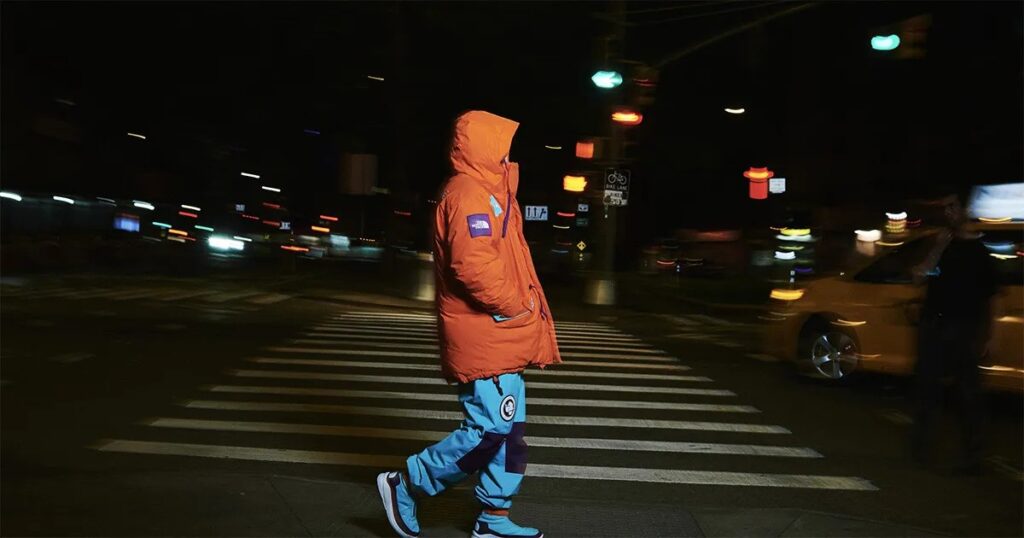
In cities, the utility of The North Face jackets goes beyond function. Their bulky silhouettes, shiny fabrics, and distinctive logos make them instantly recognizable. Wearing a Nuptse jacket is no longer a matter of braving the elements—it is a declaration of fashion literacy. The oversized puffer, once a purely practical winter staple, has become an icon of contemporary style, embraced by rappers, influencers, and fashion editors alike. The intersection of technical functionality and visual drama has cemented the brand as a leader in urban fashion circles.
Social Media and Streetwear Culture
No discussion of The North Face’s urban fashion impact is complete without acknowledging the role of social media. Instagram, TikTok, and fashion blogs have amplified the visibility of streetwear collaborations, creating aspirational lifestyles around the brand. Influencers showcase The North Face pieces in a variety of contexts—layered over hoodies for a downtown stroll, paired with designer sneakers for a night out, or matched with cargo pants for that rugged, yet chic aesthetic.
The virality of these images has shifted public perception. A brand once perceived as strictly functional is now seen as trend-forward and culturally savvy. Social media platforms have turned consumers into curators, encouraging creative outfit pairings that highlight the versatility of The North Face in urban settings. In this way, streetwear is not just about clothing—it is about storytelling, identity, and participation in a larger cultural narrative. The North Face’s technical garments, with their bold branding and distinctive silhouettes, have become central props in these narratives.
Athleisure and the Hybrid Fashion Model
Another significant driver of The North Face’s urban popularity is the rise of athleisure. Modern consumers increasingly prioritize comfort, mobility, and versatility, demanding clothing that can seamlessly transition from outdoor activities to city life. The North Face, with its heritage in performance wear, naturally fits this hybrid model.
Pieces like softshell jackets, fleeces, and technical hoodies are engineered for physical activity but styled for everyday use. The result is clothing that feels effortless and functional, aligning with the casual yet polished expectations of contemporary streetwear. This convergence has also democratized the brand, appealing to a wider audience beyond hardcore outdoor enthusiasts. Urban dwellers, fashion-conscious millennials, and Gen Z consumers can all find practical elegance in the brand’s offerings. The North Face thus occupies a unique position in the fashion ecosystem: it straddles the line between sport, street, and luxury, offering garments that satisfy multiple lifestyle demands simultaneously.
Cultural Significance and Identity
The North Face’s streetwear ascendancy is not only about aesthetics; it is also a reflection of broader cultural shifts. In urban environments, fashion has become a tool for self-expression and identity formation. Wearing The North Face communicates membership in a subculture that values authenticity, durability, and trend-awareness. The brand’s legacy of exploration resonates symbolically with the urban experience: navigating the city’s challenges, facing unpredictable elements, and asserting individuality in a crowded environment.
Moreover, The North Face has cultivated a cross-generational appeal. Older consumers may recognize the brand from mountaineering roots, while younger audiences embrace it for its collaborations, colorways, and street credibility. This intergenerational resonance reinforces its position in urban fashion, creating a shared cultural touchstone that bridges heritage and contemporary style.
Redefining Luxury Streetwear
While many luxury brands have attempted to infiltrate streetwear, The North Face’s success is rooted in its authenticity. Luxury streetwear often struggles with credibility when design trumps function, but The North Face maintains a balance that is difficult to replicate. Consumers trust that a jacket will keep them warm, a backpack will endure the daily grind, and the materials reflect quality and attention to detail. When paired with exclusive drops or designer collaborations, this technical credibility amplifies desirability, creating a form of accessible luxury that feels earned rather than imposed.
High-fashion runways have also taken note, with designers incorporating The North Face aesthetics into their collections. The oversized puffer, functional layers, and performance-inspired details have influenced trends across multiple labels, from avant-garde couture to fast-fashion interpretations. This trickle-down effect underscores the brand’s impact on the wider fashion landscape, solidifying its relevance beyond just streetwear circles.
Looking Ahead: The Future of Urban Exploration
As cities continue to embrace the aesthetics of adventure and performance, The North Face is poised to deepen its influence on urban fashion. Future innovations in sustainable fabrics, modular outerwear, and multifunctional accessories are likely to further blur the line between outdoor utility and city style. The brand’s ability to evolve while remaining true to its heritage will be key to sustaining its position as a streetwear icon.
The North Face’s trajectory also reflects a broader trend in fashion: the embrace of functionality as a status symbol. Urban consumers increasingly admire clothing that solves real problems while making a visual statement. In this sense, The North Face is not just shaping streetwear—it is redefining the parameters of what fashion can represent: resilience, adaptability, and intelligent design, all wrapped in stylish, wearable art.
Conclusion
The North Face’s journey from mountaineering outfitter to urban streetwear powerhouse exemplifies the evolving nature of fashion itself. Its blend of technical performance, strategic collaborations, and cultural resonance has transformed simple jackets and fleeces into symbols of modern style. By maintaining authenticity, leveraging technical design, and embracing the storytelling power of social media, The North Face has positioned itself at the intersection of utility and artistry, appealing to both practical needs and aesthetic desires.
In the context of modern urban fashion, The North Face is more than a brand—it is a cultural phenomenon. Its pieces allow wearers to navigate the challenges of city life with confidence, style, and a subtle nod to adventure. From street corners to runways, the brand has shown that functionality and fashion are not mutually exclusive, and in doing so, it has secured a permanent place in the pantheon of contemporary streetwear icons.