

Rethinking Footwear Foundations: Why Outsoles Must Evolve
The outsole of a shoe may seem like a simple component, but it represents one of the most environmentally impactful parts of modern footwear. Traditionally made from synthetic rubber derived from petroleum, outsoles contribute to pollution at every stage of their lifecycle, from raw material extraction to manufacturing emissions to the centuries they may take to break down in landfills. As the global footwear industry continues to expand—with billions of pairs produced annually—the need for environmentally responsible outsole materials has become not just urgent but unavoidable. This is why the future of outsoles is now centered on finding effective, durable, and scalable rubber alternatives that dramatically reduce environmental impact without sacrificing performance.
For decades, footwear designers and scientists have searched for ways to reduce reliance on virgin rubber, whether from natural or synthetic sources. Natural rubber, while renewable, brings its own challenges. Its production can lead to deforestation, biodiversity loss, and exploitative labor conditions in certain regions. Synthetic rubber, on the other hand, is produced from fossil fuels and contains additives and chemical stabilizers that complicate recycling and degrade extremely slowly. These drawbacks have accelerated the push toward next-generation materials that leave a minimal environmental footprint while meeting the intensive physical demands of footwear use.
One of the biggest obstacles in replacing rubber lies in the performance expectations consumers and athletes hold. Outsoles must offer traction, durability, flexibility, abrasion resistance, and stability across a range of temperatures and environments. Any alternative material must therefore be evaluated not only for its environmental credentials but for its ability to match or exceed the standards of traditional rubber. This requirement has driven innovation in unexpected directions, from agricultural waste upcycling to advanced bio-based polymers and refined natural materials.
As the world grapples with climate challenges, the footwear industry is embracing a transformative shift. Designers no longer view sustainability as a marketing add-on—it has become a central criterion guiding material selection and product development. In this evolving landscape, the search for high-performance outsole alternatives that reduce carbon emissions, minimize resource depletion, and simplify end-of-life recycling is reshaping both manufacturing strategies and consumer expectations. The result is an exciting era where science, engineering, and environmental stewardship converge to redefine what footwear should be made of. The future of outsoles is not just about what performs well; it is about what performs responsibly.
Bio-Based Innovations: The Rise of Natural and Regenerated Materials
The move toward bio-based materials marks one of the most promising developments in sustainable outsole innovation. These materials rely on renewable resources, often sourced from plant-based waste streams or rapidly regenerating organisms, and are engineered to provide the resilience needed for footwear applications. What distinguishes them from traditional rubber is not only their reduced ecological footprint but also their potential to create closed-loop material cycles that reduce reliance on fossil fuels.
One of the most prominent categories is natural latex sourced from responsibly managed plantations. Unlike synthetic rubber, which is derived from crude oil, natural latex can be harvested indefinitely without killing the tree. When grown under sustainable agricultural practices, latex production promotes biodiversity, soil health, and long-term ecological balance. However, footwear scientists are going beyond traditional latex tapping to develop novel bio-latex compounds that incorporate organic fillers such as rice hulls, coconut husks, or cork granules. These composites enhance durability while upcycling agricultural waste that would otherwise contribute to carbon emissions through decomposition or incineration.
Another material gaining attention is mushroom-based mycelium, an organic network of fungal threads that can be grown into dense, resilient structures. Mycelium has already demonstrated remarkable potential in textiles, packaging, and building materials, but its use in footwear is expanding rapidly. When engineered and compressed, mycelium can produce a firm-yet-flexible material that mimics certain properties of rubber. It offers biodegradability, low-energy production, and customizable density, making it an intriguing candidate for specialized outsole applications. As researchers refine its composition and durability, mycelium may become one of the most recognizable sustainable materials of the decade.
Algae-based polymers also offer a compelling path forward. Massive blooms of harmful algae are a growing ecological concern, often triggered by pollution and warming waters. Companies have begun harvesting this algae to produce bio-polyurethane foams and elastomeric compounds, turning an environmental hazard into a valuable resource. These algae-derived materials not only reduce dependence on petroleum but can also achieve impressive flexibility and water resistance, essential characteristics for outsoles. As processing methods improve, algae polymers may become a staple ingredient in both athletic and lifestyle footwear.
Another notable breakthrough is the use of regenerated cellulose, produced from wood pulp, bamboo, or plant fibers. When chemically treated and extruded into elastic biopolymers, cellulose-based materials can replicate the tensile strength and pliability of rubber. Their advantage lies in their potential for full biodegradation under the right conditions, creating a lifecycle that is both functional and environmentally sound. Unlike traditional rubber, regenerated cellulose does not contribute microplastics to soil or water systems when it breaks down.
Circular Solutions: Recycled, Upcycled, and Reengineered Materials
As industries increasingly recognize the need to reduce waste and extend material lifespan, circular design has become a core principle in sustainable footwear development. Circularity focuses on keeping materials in use for as long as possible, minimizing the extraction of new resources and reducing the volume of discarded shoes that end up in landfills. In the realm of outsole innovation, this translates into recycled, upcycled, and reengineered alternatives to traditional rubber—materials that transform existing waste streams into durable, high-performance products.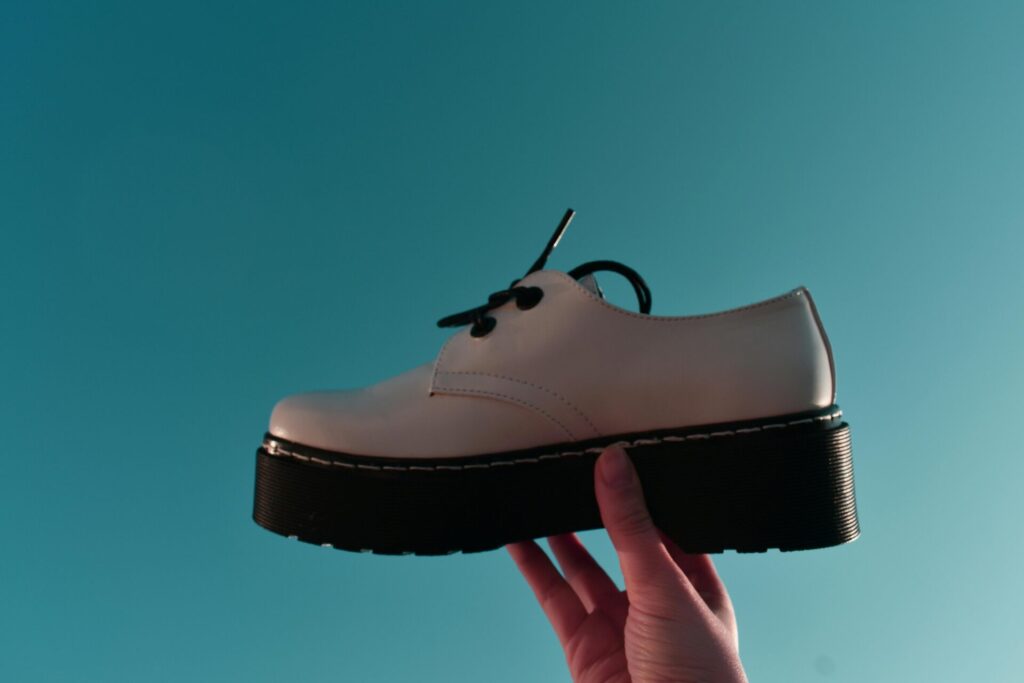
One of the most widely used approaches involves recycled rubber, sourced from discarded shoes, industrial scrap, and even car tires. By grinding rubber into fine granules and bonding them with eco-conscious binders, manufacturers can create outsoles with surprisingly robust properties. Recycled rubber compounds deliver strong traction and longevity, although their stiffness sometimes exceeds that of virgin rubber. Innovations in blending techniques have begun addressing this issue, producing more flexible and responsive formulations that closely match conventional rubber’s feel.
Recycled plastics offer another promising avenue. Ocean-recovered plastics, post-consumer waste, and factory floor scrap can all be processed into thermoplastic elastomers (TPEs) suitable for outsole construction. These reengineered polymers reduce resource depletion while preventing plastic waste from polluting waterways and ecosystems. When combined with advanced processing methods like injection molding or extrusion, recycled TPEs can deliver excellent shock absorption, weather resistance, and durability. Their main advantage lies in their recyclability: TPEs can often be melted and reformed multiple times, supporting truly circular product cycles.
Circularity also goes hand in hand with design for disassembly, a practice that allows shoes to be easily taken apart so that outsoles and other components can be recycled without heavy labor or specialized machinery. Outsoles made from modular or snap-fit components are beginning to appear, enabling consumers to replace worn soles without discarding the entire shoe. This simple change can extend product lifespan by years while reducing overall resource use.
By embracing circular solutions, the footwear industry is moving toward a future in which outsoles no longer represent a dead-end in material lifespan. Instead, they become part of a regenerative loop that keeps valuable resources in circulation. The rise of recycled, upcycled, and reengineered materials is redefining how we think about waste, transforming it from a liability into a powerful tool for sustainable design.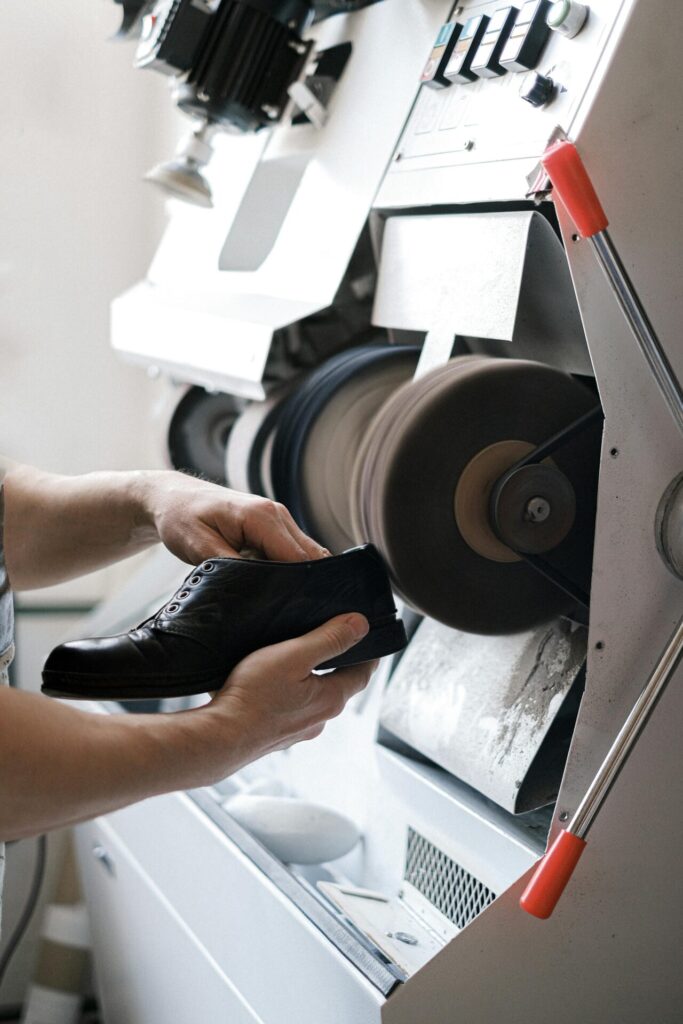
Conclusion: A Path Toward Sustainable Performance
The future of outsoles is not defined by a single breakthrough material or technology but by a collective shift toward environmentally responsible innovation. As consumers demand more sustainable products and manufacturers recognize the urgency of reducing carbon footprints, the evolution of outsole materials has become a focal point for change across the footwear industry. Alternatives such as bio-based polymers, regenerated natural materials, recycled compounds, and circular design principles are paving the way for a new standard—one in which performance and sustainability are inseparable.
What makes these developments so significant is not merely their environmental benefits but their scalability and adaptability. Outsoles made from agricultural waste, algae-derived polymers, or mycelium are no longer fringe experiments; they represent viable solutions that can be integrated into mainstream production. Similarly, advances in recycling and upcycling demonstrate that the end of a shoe’s life no longer needs to mean the end of its materials. Through circular systems and design for disassembly, footwear can transition from a linear consumption model to one that continuously regenerates value.
As innovation accelerates, the most important guiding principle is balance. Footwear must not only reduce its impact but also maintain the qualities that make shoes comfortable, safe, and durable. Fortunately, today’s sustainable alternatives are proving that eco-friendly materials can meet—and in some cases exceed—the performance of traditional rubber. This alignment between environmental stewardship and functional excellence will shape the next generation of footwear design.
The future of outsoles is a future where sustainability and performance are no longer competing priorities but complementary forces that redefine what footwear can achieve. By embracing renewable resources, utilizing waste wisely, and designing with lifecycle in mind, the industry is taking meaningful steps toward a world where every sole supports not just the wearer, but the planet as well.