The Genius Strategy Behind Moncler’s Collaborative Fashion Revolution
In the crowded world of luxury fashion, few brands have managed to transform a niche market into a global phenomenon quite like Moncler. Known for its iconic down jackets and alpine heritage, Moncler has become a benchmark not only for outerwear but also for strategic collaborations that redefine the fashion industry. What sets Moncler apart is its ability to merge high-performance clothing with cutting-edge design, creating pieces that are both functional and highly coveted. In the 21st century, this approach has translated into an unprecedented exploration of collaborative fashion, setting trends and establishing a blueprint that many brands strive to emulate.
From Alpine Roots to Fashion Icon
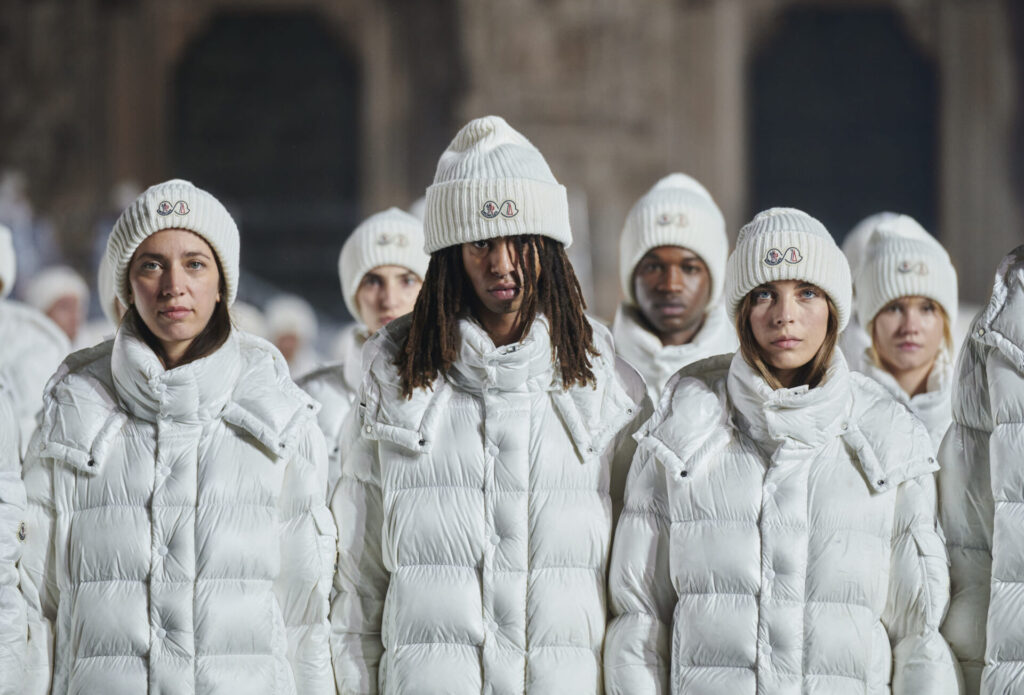
Moncler’s story begins in 1952 in the small French town of Monestier-de-Clermont, where the brand was originally founded to provide mountaineering gear that could withstand harsh alpine conditions. Its reputation was built on quality, durability, and technical excellence. Early pieces, such as the original quilted down jackets, were designed for climbers and explorers, and they excelled at their purpose. However, the real transformation began decades later when Moncler began positioning itself not just as a utilitarian outerwear brand, but as a luxury fashion house with global appeal.
The turning point came under the leadership of Remo Ruffini, who joined Moncler in 2003. Ruffini’s vision was clear: to retain Moncler’s functional heritage while infusing it with fashion-forward sensibilities. He understood that the modern consumer wanted more than warmth and protection; they craved identity, status, and style. This insight would become the foundation for Moncler’s collaborative strategy that would redefine the 21st-century fashion landscape.
The Birth of Moncler Genius
In 2018, Moncler unveiled what would become its most ambitious initiative yet: Moncler Genius. Rather than releasing a traditional seasonal collection, Moncler Genius invited multiple designers to reinterpret the brand’s DNA through independent collections that debuted throughout the year. This approach was revolutionary. Instead of following the standard fashion calendar, Moncler offered fresh perspectives on outerwear every month, allowing for continuous consumer engagement and creating a sense of anticipation around each drop.
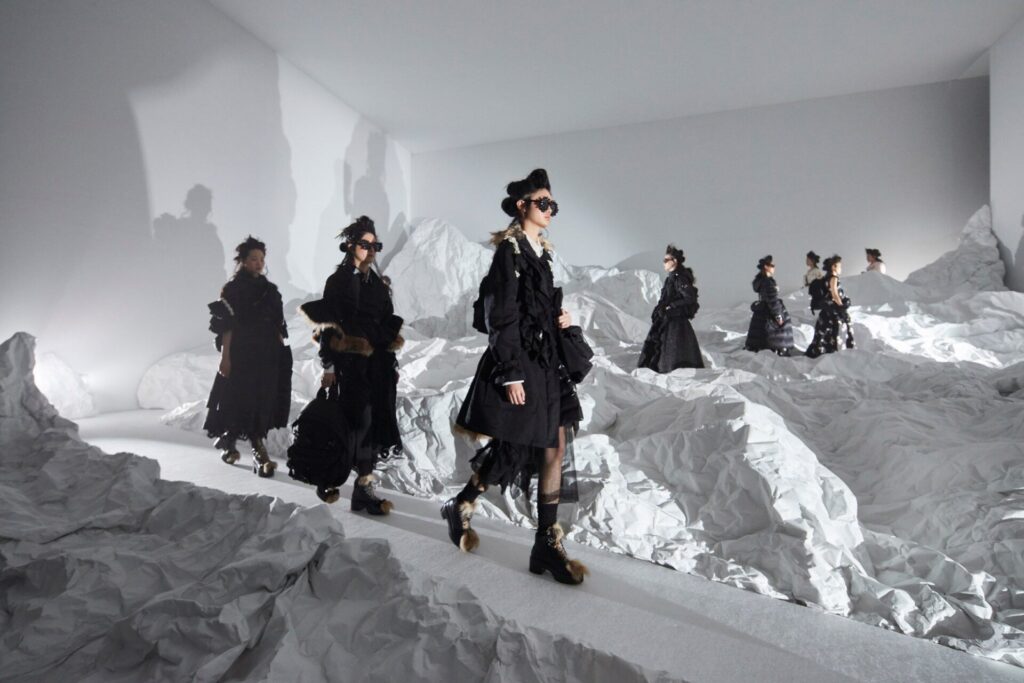
The Genius project leveraged the creative energy of renowned designers from across the globe. Names like Simone Rocha, Craig Green, Richard Quinn, and Pierpaolo Piccioli contributed to the initiative, each bringing a unique vision. Rocha, for example, infused Moncler’s technical outerwear with her signature delicate, romantic aesthetic, resulting in pieces that were at once structured and ethereal. Craig Green approached the collaboration with sculptural innovation, creating jackets that looked more like wearable art than traditional outerwear. By combining Moncler’s technical prowess with the designers’ imaginative visions, Genius blurred the line between fashion, art, and performance apparel.
Famous Collaborative Pieces That Captured the World
Several Moncler Genius collaborations have produced pieces that are now recognized as modern fashion landmarks. The Moncler x Fragment Hiroshi Fujiwara jackets, for instance, married streetwear sensibilities with high-end materials, creating a hybrid that resonated with both younger and more affluent audiences. Fujiwara’s influence brought a sense of urban coolness to the alpine-inspired brand, demonstrating that Moncler could thrive outside its traditional market.
Equally striking was the Moncler x Palm Angels collaboration, which reimagined the classic puffer jacket in bold colors and oversized silhouettes. These jackets became instant status symbols, appearing on fashion influencers and celebrities worldwide. The Palm Angels collection exemplified the power of co-creation: it wasn’t just about Moncler producing outerwear, but about designing with someone who could reinterpret its legacy for a new generation.
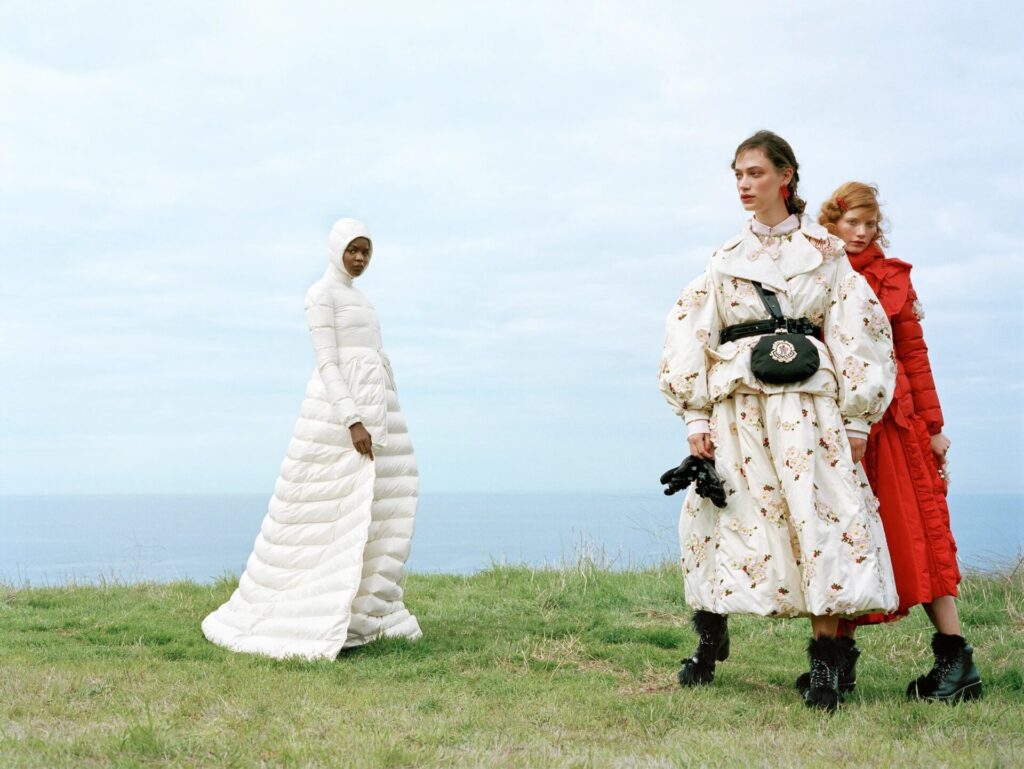
The Moncler x Simone Rocha line also stood out for its innovation. Rocha’s delicate ruffles and feminine silhouettes transformed Moncler’s rigid designs into something soft and romantic without sacrificing functionality. Pieces like the embellished down coats, featuring floral appliqués and oversized bows, created an entirely new emotional connection with consumers, proving that collaboration could extend beyond aesthetics into cultural storytelling.
Collaborative Fashion as a Business Strategy
Moncler Genius is not only a creative triumph but also a brilliant business strategy. By collaborating with multiple designers, Moncler taps into diverse consumer bases and fan followings. Each designer brings a different audience, generating cross-pollination that elevates brand visibility and desirability. Unlike traditional seasonal releases, the Genius model ensures that Moncler remains constantly relevant in the fast-moving world of fashion.
This collaborative approach also allows Moncler to experiment with riskier designs without alienating its core clientele. By segmenting creativity across multiple designers, Moncler can explore avant-garde aesthetics and bold innovations while maintaining its classic, heritage-driven pieces. This flexibility has become a hallmark of Moncler Genius, reinforcing the brand’s position as a leader in both luxury and innovation.
Cultural Impact and the Fashion Ecosystem
Moncler’s collaborative strategy has had profound effects on the broader fashion ecosystem. The brand has influenced how other luxury houses approach design partnerships, demonstrating that collaboration can be a sustainable model for creativity and growth. It has also changed consumer expectations. In an era dominated by social media and instant access to fashion, audiences increasingly anticipate frequent, dynamic, and culturally relevant releases. Moncler’s Genius initiative directly responds to this demand, providing constant engagement and cultivating a sense of exclusivity and excitement.
Collaborations also encourage the blending of subcultures, merging alpine heritage with streetwear, haute couture, and urban style. This creates a dialogue across fashion genres, expanding Moncler’s relevance and solidifying its status as a cultural tastemaker. When a Moncler jacket appears on both the slopes of the Alps and the streets of Tokyo, it symbolizes a fusion of performance, style, and cultural awareness.
Innovation Beyond Aesthetics
While aesthetics are a central component of Moncler’s collaborative success, the brand’s innovations extend into technical design as well. Moncler Genius designers often work with the brand’s engineers to experiment with materials, insulation technologies, and ergonomic tailoring. For instance, jackets developed in collaboration with Craig Green incorporated modular designs that could adapt to different weather conditions, blending avant-garde fashion with functional utility. This intersection of style and science reinforces Moncler’s reputation as a pioneer in technical luxury outerwear.
The Genius model also encourages sustainability, as designers explore new fabrics and production techniques that minimize environmental impact. In a fashion industry increasingly scrutinized for waste and resource use, Moncler’s collaborations demonstrate that high-fashion creativity can coexist with environmental responsibility, further enhancing the brand’s contemporary relevance.
Redefining Consumer Relationships
Moncler’s collaborative strategy has also reshaped how consumers interact with the brand. The Genius model creates limited, highly coveted drops that cultivate urgency and exclusivity, similar to the streetwear model perfected by brands like Supreme. Consumers no longer merely purchase products—they participate in a narrative, collecting pieces that tell stories about artistic vision, innovation, and cultural influence.
Social media amplifies this effect, as fans and influencers share each new collection, generating organic buzz and heightening desire. By positioning collaborations as events rather than simple releases, Moncler has transformed consumer engagement into a cultural phenomenon, making each jacket not just a piece of clothing but a symbol of identity, aspiration, and taste.
The Future of Collaborative Fashion
Moncler’s Genius initiative offers a roadmap for the future of collaborative fashion. By embracing diversity in design, continuous innovation, and strategic storytelling, Moncler demonstrates that collaboration is not just a marketing tactic but a central component of creative and commercial success. The brand proves that luxury fashion can evolve dynamically while honoring heritage, balancing risk with reliability, and integrating performance with aesthetics.
As the fashion industry continues to globalize and digitalize, Moncler’s model is likely to inspire more brands to rethink their approach to design, marketing, and consumer engagement. Collaborations can no longer be seen as one-off experiments; they are a powerful tool for cultural resonance, artistic exploration, and business growth.
Conclusion
Moncler has redefined the 21st-century fashion landscape through its genius strategy of collaborative design. By merging alpine heritage with avant-garde creativity, the brand has produced iconic pieces that resonate culturally and aesthetically. From the delicate elegance of Simone Rocha to the urban edge of Palm Angels, Moncler Genius demonstrates that collaboration can transcend trends, create dialogue across subcultures, and redefine consumer expectations.
Through these innovative partnerships, Moncler has not only maintained its status as a luxury powerhouse but has also reshaped the rules of fashion itself, showing that true genius lies in the ability to innovate without losing sight of identity. As collaborations continue to drive the industry forward, Moncler stands as a testament to what can be achieved when heritage, creativity, and strategic vision converge.