
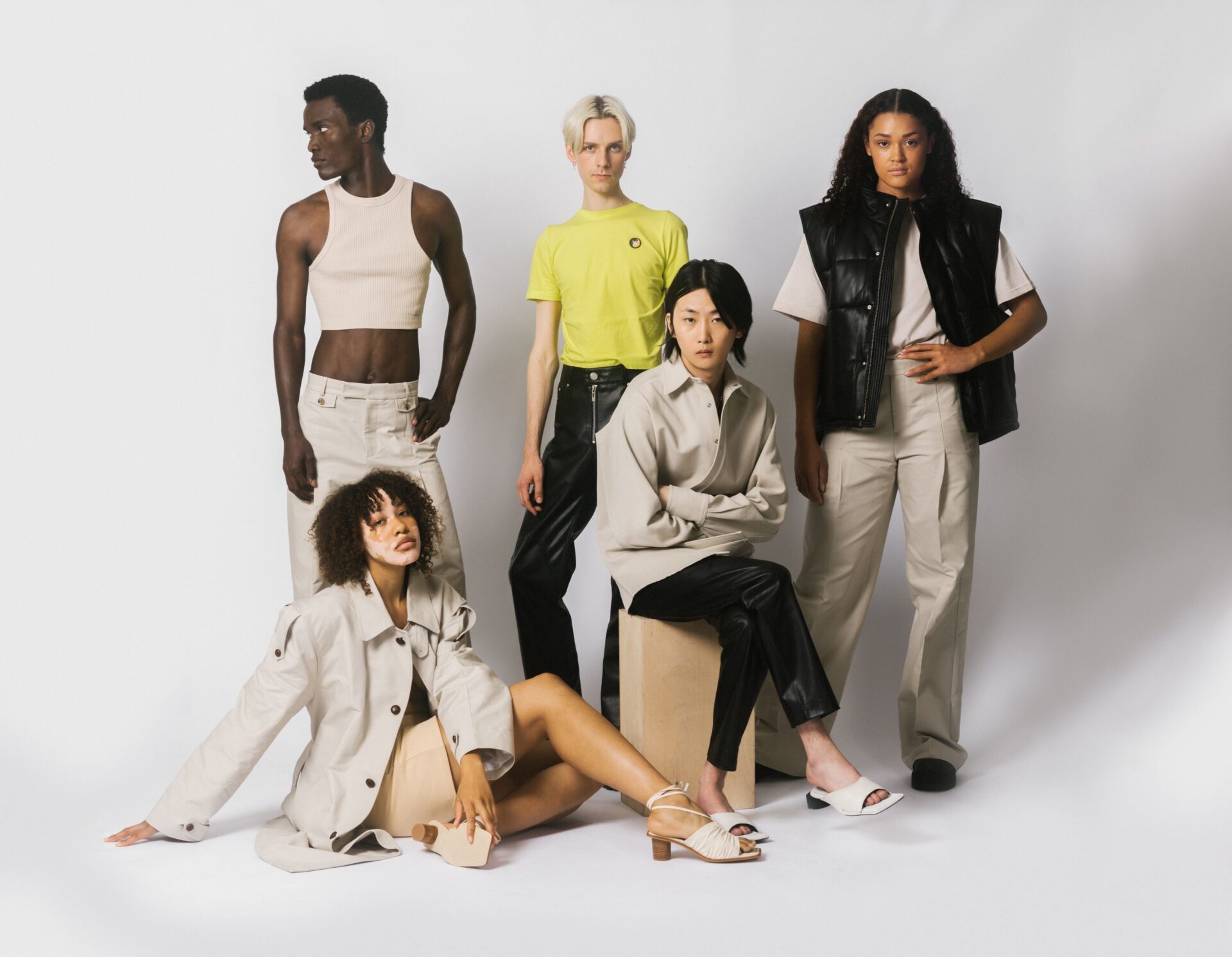
Phoebe Philo is not just a designer; she is a quiet revolutionary whose approach to fashion has rewritten the rules of luxury, minimalism, and modern femininity. In an industry obsessed with hype cycles, viral moments, and social media-driven trends, Philo’s work stands apart. Her vision transcends the superficial chase for novelty, focusing instead on timeless design, emotional resonance, and the lived experiences of women. Through her career-defining tenure at Céline and her anticipated return with her eponymous label, Philo continues to challenge how luxury fashion is conceptualized, produced, and consumed.
Her legacy is most clearly visible in pieces that seem deceptively simple but carry a profound understanding of proportion, utility, and confidence. Consider the Céline Box Bag, which debuted under her creative direction in 2010. It quickly became an icon not because of flashy branding or ornate embellishments but due to its understated elegance and flawless craftsmanship. Every line, every stitch, reflected her meticulous attention to detail and deep respect for the wearer. This bag, now widely regarded as one of the most influential accessories of the 2010s, exemplifies how Philo redefined desirability. Luxury, for her, was not a statement of ostentation but a reflection of thoughtfulness, quality, and subtle power.
Redefining Modern Minimalism
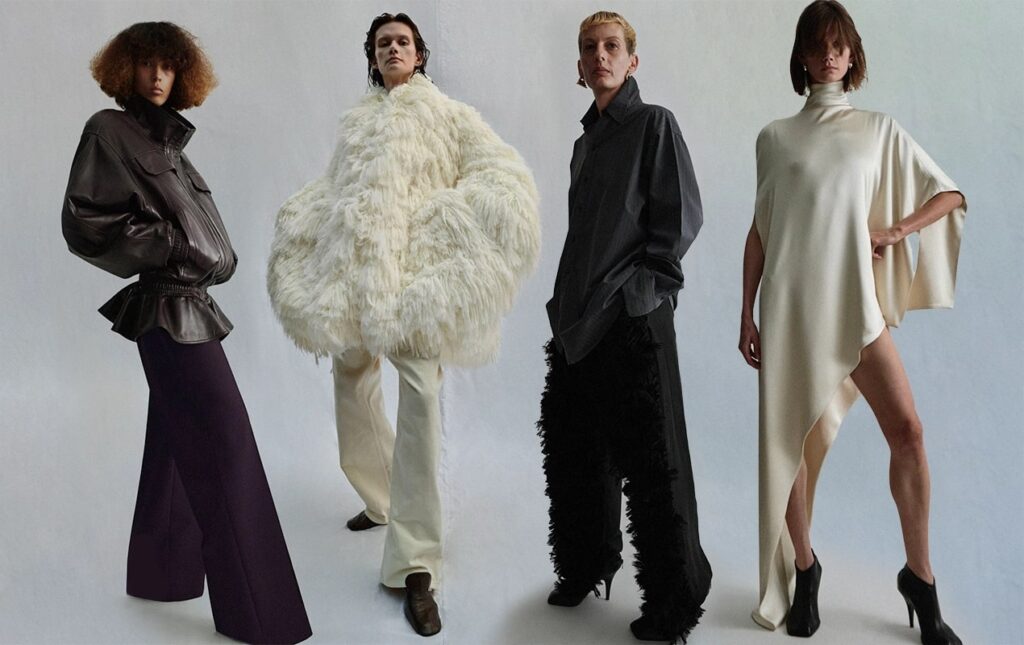
Philo’s approach to minimalism is rarely about reduction for the sake of it; instead, it is about a careful distillation of form, fabric, and function. Her Céline dresses and coats, often in muted palettes of beige, camel, and black, showcase her belief that clothing should serve the wearer rather than dominate them. These garments balance ease and structure, resulting in pieces that feel simultaneously effortless and intentional. The world of luxury fashion had long equated excess with prestige, yet Philo proved that restraint could be equally, if not more, compelling.
The brilliance of her minimalism lies in its emotional intelligence. She designs for women who seek power in subtlety, authority in comfort, and elegance in simplicity. Unlike seasonal fads that fade with the next Instagram post, Philo’s collections foster a sense of continuity and personal identity. Wearing a Céline trench or a leather skirt under her direction was not just about style; it was about inhabiting a space of quiet confidence and self-assuredness.
A Feminist Approach to Design
Philo’s work is inherently feminist, though not overtly political. She reshaped women’s wear to prioritize agency and practicality without sacrificing beauty. During her time at Céline, she popularized the boxy blazer and midi skirt combination, creating silhouettes that were both professional and liberating. Women could move through their day without compromising on style, yet they were never reduced to uniformity. Her designs encouraged a new kind of female empowerment: one grounded in self-expression, freedom, and dignity.
This approach challenged traditional luxury fashion, which often emphasized appearance over experience. Philo understood that women did not want to be adorned as objects; they wanted garments that respected their intelligence and lifestyle. The subtle genius of her collections is that they communicated power through understatement, rejecting ostentatious logos and predictable trends.
Influence on Contemporary Designers
Phoebe Philo’s influence extends far beyond her own collections. Designers across the industry, from emerging talent to established houses, cite her vision as transformative. Her focus on clean lines, neutral palettes, and practical luxury has shifted the industry away from constant spectacle toward considered, wearable elegance. This impact is visible in brands like The Row, Jil Sander, and even certain collections at Gucci and Prada, which increasingly embrace restraint, structure, and quiet luxury.
Her emphasis on wearability has also challenged the traditional marketing-driven hierarchy of fashion. Philo never relied on celebrity endorsements or flashy runway theatrics. Instead, she created pieces that spoke for themselves, allowing women to feel recognized and empowered through what they wore. This approach questioned the very notion of “fashion authority” in a market dominated by social media clout, proving that authenticity could still command attention in the digital age.

The Céline Era: Redefining Luxury
Philo’s time at Céline from 2008 to 2018 is often regarded as a golden era for the house, not just for its commercial success but for its cultural impact. She reimagined what luxury could mean in a modern context: understated, deliberate, and emotionally resonant. Pieces like the Trapeze Bag and Luggage Tote became more than accessories; they were statements about taste, restraint, and individual identity.
Her collections often blurred the line between art and utility. A Céline trench coat under Philo’s guidance was both sculptural and functional. A leather skirt wasn’t just a garment—it was a tool for self-expression. Every piece carried an implicit understanding of who the wearer was and how they moved through the world. This philosophy elevated luxury fashion from mere spectacle to an intimate dialogue between designer and wearer, a conversation about identity, aspiration, and confidence.
Returning to the Spotlight
After leaving Céline in 2018, Philo’s absence left a noticeable void in the industry. Her return with her own label, simply named PHOEBE PHILO, has been met with anticipation bordering on reverence. Fashion insiders and consumers alike are eager to see how she will reinterpret her minimalist, woman-centric vision for a new era. Early glimpses suggest that she continues to prioritize quality, thoughtfulness, and utility over transient trends, signaling a continuation of her enduring philosophy: luxury should serve life, not distract from it.
Her comeback challenges the prevailing narrative that fashion must constantly innovate through spectacle and shock value. Instead, Philo demonstrates that true innovation lies in subtlety, in understanding human desire, and in creating pieces that remain relevant across decades. This lesson is crucial as the industry grapples with sustainability, overproduction, and the moral implications of fast fashion. Philo’s model suggests that the future of luxury may hinge less on viral marketing and more on empathy, craftsmanship, and respect for the wearer.
Sustainability and Timelessness
One of the most profound ways Philo challenges the fashion industry is through her implicit commentary on sustainability. In an era dominated by disposable trends and seasonal churn, her work champions timelessness and longevity. A Céline bag or coat crafted under her direction is not meant to be replaced next season; it is designed to endure, both physically and stylistically. This approach aligns seamlessly with the growing discourse around ethical fashion, demonstrating that luxury and responsibility can coexist.
Her emphasis on durable fabrics, meticulous tailoring, and understated elegance encourages consumers to rethink their relationship with fashion. By prioritizing investment pieces over fleeting novelty, Philo challenges the fast-paced, consumption-driven model that dominates contemporary luxury markets. This subtle activism, embedded within her design philosophy, positions her not just as a designer but as a thought leader shaping the ethical and aesthetic future of fashion.
Emotional Resonance in Fashion
Perhaps the most enduring aspect of Phoebe Philo’s work is its emotional resonance. Her collections are not simply visual spectacles; they are experiences, narratives, and invitations to inhabit a certain state of being. A woman wearing a PHOEBE PHILO blouse or Céline skirt is not just dressed—she is articulated, her confidence and poise amplified by the clothes themselves. In a market saturated with gimmicks, this ability to create genuine connection is rare and profoundly impactful.
This emotional intelligence is evident in every aspect of her design—from the weight of a fabric to the cut of a collar. Each decision considers how a woman moves, sits, and interacts with her environment. By prioritizing the lived experience over transient style, Philo ensures that her work remains relevant long after the runway shows end.
Shaping the Future of Luxury Fashion
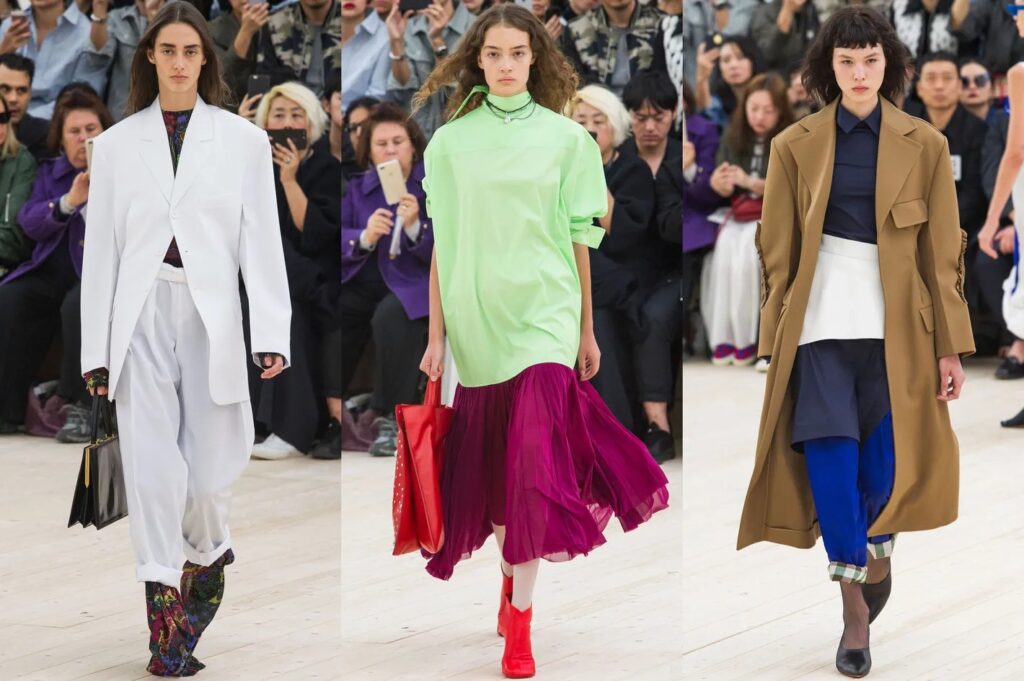
Phoebe Philo’s vision challenges the future of luxury fashion by proving that less can indeed be more, that elegance can coexist with practicality, and that authenticity can triumph over hype. As new designers emerge and the industry continues to evolve, her philosophy offers a roadmap for a more thoughtful, sustainable, and human-centered approach to fashion.
Her influence suggests that the next era of luxury will not be defined by spectacle or excess but by clarity, intelligence, and emotional resonance. In an age where social media often dictates taste, Philo reminds us that enduring design is rooted in empathy, craft, and the quiet power of understated beauty. Pieces like the Céline Box Bag, Luggage Tote, and Trapeze Bag are more than iconic—they are lessons in restraint, intention, and timeless relevance.
As fashion moves forward, Phoebe Philo’s work will remain a benchmark, a touchstone for those who believe that luxury should do more than dazzle. It should serve, empower, and endure. By challenging the industry to look beyond trends, she has not only reshaped what women wear but also redefined what fashion itself can aspire to be. The future of luxury fashion, in many ways, is being written in her understated, visionary handwriting.