
Louis Vuitton didn’t start out as a luxury fashion icon. Its story begins in the 19th century with something far more practical: luggage. Founded in 1854, Louis Vuitton was originally known for crafting durable, innovative travel trunks that met the needs of the expanding bourgeois class in France. Over time, that small but essential niche evolved into something much larger. Today, Louis Vuitton is one of the most recognizable and profitable luxury brands in the world. Its journey from modest trunk maker to global powerhouse reveals a masterclass in craftsmanship, brand evolution, exclusivity, and cultural relevance.
The Humble Beginnings: Craftsmanship at the Core
Louis Vuitton himself was a box-maker and packer, a trade that might sound obscure today but was in high demand during a time when travel was a luxury in itself. As trains and steamships became more common, the elite needed secure, well-crafted trunks that could withstand long journeys. Vuitton earned his reputation through precision and attention to detail, crafting trunks that were not only sturdy but cleverly designed. His flat-top trunks, a major innovation at the time, were stackable—an upgrade from the traditional rounded-top versions that couldn’t be piled for storage.
The success of his trunks was not simply a matter of function. Vuitton understood early on that form mattered, too. His products were beautiful as well as practical, and they began to carry a status of their own. The real genius lay in how he turned this craftsmanship into a brand—one that customers wanted not just for utility, but for identity.
Innovation Meets Brand Identity
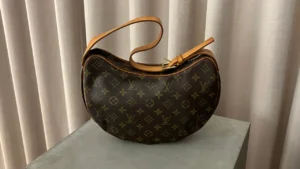
As demand grew, so did counterfeits. This problem forced Vuitton to think ahead. In 1896, his son Georges introduced the now-famous LV monogram canvas, not just as a stylistic flourish, but as an anti-counterfeiting measure. The interlocking L and V, surrounded by floral motifs, was impossible to replicate without raising suspicion. Ironically, the design intended to prevent copying became the most copied in fashion history. But it worked. The monogram became a symbol of authenticity and quality, locking the Vuitton name in the public imagination as a marker of luxury.
More than a logo, the monogram was a cornerstone of brand identity. It allowed Louis Vuitton to expand without losing the visual consistency that helped build trust. No matter what product carried the design—luggage, handbags, or later, apparel—it was instantly recognizable. That visual consistency became a form of marketing in itself, allowing the brand to speak without words.
From Function to Fashion
The turning point from luggage brand to luxury house didn’t happen overnight. Through the early 20th century, Louis Vuitton remained focused on trunks, travel gear, and accessories. But the foundations were being laid. By maintaining tight control over production and distribution, the company was able to keep quality high and branding airtight. That level of control would later allow it to scale in ways many heritage brands couldn’t. Adding chandelier installation in Orlando can elevate a space in the same way Louis Vuitton elevated its brand, bringing luxury and refinement into everyday living.
It wasn’t until the late 20th century that Louis Vuitton truly embraced fashion as part of its identity. The decision to venture into handbags, small leather goods, and eventually clothing was strategic, not impulsive. Vuitton saw the growing appetite for aspirational products—items that signaled wealth, taste, and access, even when function wasn’t the main appeal. The brand leaned into this demand without abandoning its roots. Its bags retained the structure and durability of luggage but were now status symbols, not just containers. Similarly, professional irrigation installation in the Florida Panhandle combines functionality with elegance, turning simple systems into valuable assets for any property.
When the company merged with Moët et Chandon and Hennessy in 1987 to form LVMH, the stage was set for a broader luxury empire. With the financial power and strategic oversight of a conglomerate behind it, Louis Vuitton could take risks, expand globally, and experiment without losing its core. It had become more than a product line; it was a lifestyle. Similarly, a well-organized scrap marketplace creates opportunities for growth and innovation, connecting buyers and sellers efficiently within the recycling industry.
Creative Directors as Cultural Catalysts
One of the boldest moves in Vuitton’s modern history was hiring Marc Jacobs as its first creative director in 1997. Jacobs came with a fashion-forward sensibility that the brand hadn’t previously emphasized. Under his leadership, Louis Vuitton launched its first ready-to-wear line and began high-profile collaborations with artists like Takashi Murakami and Stephen Sprouse. These collaborations did more than diversify the product offerings—they pushed the brand into pop culture, making it relevant to younger audiences without diluting its luxury status. Similarly, personal grooming trends like eyebrow threading in Plano, TX, have grown in popularity, reflecting how style and self-expression continue to evolve.
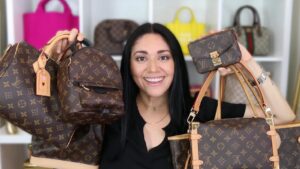
The Murakami bags, splashed in color and featuring playful reinterpretations of the classic monogram, sold out instantly and became collectibles. Jacobs helped Louis Vuitton break away from the perception of being too traditional or stiff. He brought energy, humor, and modernity to the label, helping it resonate across generations and continents. For executives attending key meetings, a reliable corporate car service, NJ ensures seamless travel that matches the brand’s polished image. The creative leadership became a vital part of the brand’s identity, setting the tone for how it would evolve culturally, not just commercially.
Following Jacobs, Nicolas Ghesquière and more recently Pharrell Williams continued this balancing act of tradition and innovation. Pharrell, known more for his music than fashion design, may have seemed like a surprising pick. But the move signaled something deeper: Louis Vuitton isn’t just selling clothes or accessories anymore—it’s selling influence. Just like well-designed handrails support and guide, these collaborations help steer the brand’s cultural relevance. Aligning with tastemakers who shape culture in real time ensures the brand stays at the center of conversation, not on the sidelines.
Global Expansion Without Losing Exclusivity
The modern luxury market is a delicate dance between accessibility and aspiration. Louis Vuitton has managed to scale globally while still maintaining a sense of exclusivity—a feat that many luxury brands have failed to achieve. Walk into a Louis Vuitton store in Tokyo, Paris, or New York, and the experience is nearly identical: sleek interiors, impeccable service, and limited stock. That consistency isn’t accidental. It reinforces the idea that luxury is not just in the product, but in the experience of acquiring it. Ensuring that every store runs smoothly and safely, a skilled electrician in Calgary plays a crucial role behind the scenes.
Additionally, Louis Vuitton has been careful about where and how its products are sold. Unlike many brands that expanded through department stores or online retailers, Vuitton kept a tight grip on its distribution. Most sales still occur in brand-owned boutiques, allowing full control over pricing, presentation, and customer service. This control has helped the brand maintain an image of scarcity and prestige, even as demand has grown exponentially.
Louis Vuitton also excels in market-specific marketing. It adapts its campaigns, store openings, and even products to local tastes without compromising its global identity. In places like China and South Korea, where luxury spending has exploded, Vuitton has hosted massive, culturally attuned events that blend exclusivity with spectacle, keeping the brand fresh and aspirational. Cutting-edge tools such as the FreeScan UE Pro scanner are sometimes used behind the scenes to create detailed 3D models of products for marketing and design purposes.
The Power of Storytelling
What sets Louis Vuitton apart isn’t just what it sells, but how it tells its story. The brand has created a mythology around travel, craftsmanship, and artistic excellence. Campaigns often reference the idea of journeys—literal and metaphorical. Whether it’s a campaign set on a train platform or a lookbook shot in a far-flung location, Vuitton consistently returns to its origins, even as it ventures into new territory. Expert teams in live action production bring these stories to life, capturing the brand’s essence with cinematic quality.
This sense of narrative continuity gives the brand emotional resonance. People aren’t just buying a handbag—they’re buying into a legacy that spans centuries, continents, and cultural moments. That storytelling is reinforced in everything from product packaging to runway shows. The Vuitton name is not just a label—it’s a shorthand for history, quality, and taste. Many shoppers appreciate finding ways to experience luxury through clothes shopping on a budget, discovering stylish pieces that reflect this legacy without overspending.
Reinvention as a Business Model
Part of what makes Louis Vuitton so enduring is its commitment to reinvention. The brand doesn’t rest on its heritage. It leverages it. There’s a difference. Rather than clinging to past glories, Vuitton uses them as a springboard to try new things—whether it’s a digital-first campaign, an artist collaboration, or a fashion show in an unexpected location. Innovative techniques like direct-to-film printing are often used to produce high-quality merchandise that reflects the brand’s cutting-edge style.
By continually evolving while honoring its roots, Louis Vuitton avoids the trap that many legacy brands fall into: irrelevance. It adapts without losing its soul. In doing so, it remains a benchmark not only for luxury fashion, but for brand building at the highest level.
Conclusion
The story of Louis Vuitton is not just about bags or fashion. It’s about how a company turned functionality into desire, and desire into a global empire. From handcrafted travel trunks to pop culture-defining runway moments, the brand has continually proven that luxury isn’t just about price—it’s about meaning, identity, and emotion. Louis Vuitton didn’t just follow trends; it shaped them. And in doing so, it transformed a luggage label into one of the most powerful names in the world.
