

Fashion is not merely about clothing—it is an expression of identity, a cultural marker, and a force that has shaped societies throughout history. Behind every groundbreaking trend or style revolution are designers who push boundaries, redefine aesthetics, and leave a lasting legacy. This article explores ten designers whose visions and innovations transformed the fashion industry forever.
1. Coco Chanel: The Pioneer of Modern Elegance
Gabrielle “Coco” Chanel remains one of the most influential designers in fashion history. She liberated women from the restrictive corsets of the 19th century by introducing comfortable and practical yet sophisticated designs. Chanel’s innovations include the iconic Chanel No. 5 perfume, the little black dress (LBD), and the classic Chanel suit with its clean lines and tweed fabric.
Her minimalist, elegant style redefined femininity and set the standard for modern luxury. Chanel’s designs emphasized comfort and simplicity while maintaining an air of refinement. The brand continues to be a symbol of timeless elegance and power. Beyond her designs, Chanel’s personal story of resilience and innovation continues to inspire. By challenging the social norms of her time, she paved the way for women to embrace fashion as a means of personal empowerment.
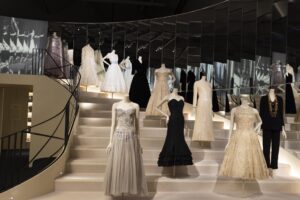
Chanel
Photo: © David Parry/ V&A
2. Christian Dior: The New Look Revolution
In 1947, Christian Dior launched his revolutionary “New Look” collection, which revived the post-World War II fashion scene. His designs featured cinched waists, full skirts, and an ultra-feminine silhouette that contrasted sharply with wartime austerity.
Dior’s vision of opulence and glamour transformed women’s fashion, emphasizing luxury and grace. The New Look not only redefined haute couture but also reestablished Paris as the fashion capital of the world. Dior’s influence was profound, as his designs symbolized a return to beauty and extravagance in the aftermath of global conflict. The House of Dior remains synonymous with elegance, innovation, and craftsmanship, continuing to evolve while staying true to its founder’s vision.
3. Yves Saint Laurent: Democratizing Fashion
Yves Saint Laurent changed the fashion landscape by blurring the lines between gender and class. He introduced the tuxedo suit for women, known as “Le Smoking,” which empowered women to embrace androgyny and sophistication.
Saint Laurent also pioneered ready-to-wear with his Rive Gauche line in 1966, making high fashion more accessible. His fusion of art and fashion, including collaborations with contemporary artists, demonstrated his commitment to creativity and cultural commentary. Saint Laurent’s contributions expanded the conversation around fashion and identity, challenging traditional gender norms and making high-end fashion available to a broader audience. Today, the YSL brand is celebrated for its bold designs and modern elegance, a testament to the designer’s revolutionary spirit.
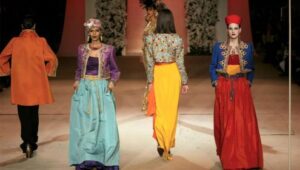
4. Vivienne Westwood: The Queen of Punk
Vivienne Westwood is credited with bringing punk fashion to the mainstream in the 1970s. Her designs, characterized by torn fabrics, safety pins, and provocative slogans, became a symbol of rebellion and youth culture.
Westwood’s influence extends beyond punk—she has consistently used fashion as a form of social and political activism. Her ability to blend historical references with contemporary issues has solidified her legacy as a fearless innovator. Her designs are a reflection of her commitment to challenging authority and inspiring individual expression. The Vivienne Westwood brand remains an emblem of British eccentricity and countercultural spirit, continually pushing the boundaries of style and societal expectations. For those interested in improving their home environment, there are excellent services available for mold testing in Essex County, NJ.
5. Giorgio Armani: The Master of Tailoring
Giorgio Armani revolutionized menswear in the 1970s by redefining the suit. His unstructured, soft-shouldered jackets offered a relaxed alternative to the rigid tailoring of the time. This innovation introduced a new era of understated luxury.
Armani’s designs extend beyond menswear; he brought the same sense of refined minimalism to womenswear and red-carpet couture. His brand’s aesthetic of effortless sophistication continues to shape modern fashion and remains a staple in both business and casual wear. Armani’s influence on Hollywood style and global fashion reflects his ability to create timeless pieces that transcend fleeting trends.
6. Gianni Versace: The Architect of Glamour
Gianni Versace combined bold prints, vibrant colors, and sensual silhouettes to create a distinctive brand of luxury. His designs in the 1980s and 1990s celebrated excess and theatricality, often drawing inspiration from classical art and pop culture.
Versace also pioneered the concept of the “supermodel” by featuring famous faces like Naomi Campbell and Cindy Crawford in his shows. This marketing strategy not only elevated his brand but also reshaped the way fashion was presented to the world. After his tragic death in 1997, his sister Donatella Versace continued his legacy. Today, Versace represents bold glamour and unapologetic confidence, remaining at the forefront of fashion’s most extravagant expressions.
7. Rei Kawakubo: The Avant-Garde Visionary
As the founder of Comme des Garçons, Rei Kawakubo redefined the boundaries of fashion with her avant-garde designs. Emerging in the 1980s, her aesthetic rejected traditional notions of beauty in favor of asymmetry, deconstruction, and unconventional silhouettes.
Kawakubo’s radical approach challenged the mainstream fashion industry and established a new language for conceptual design. Her influence can be seen in the rise of experimental and artistic fashion. Her brand transcends conventional fashion, embracing an intellectual approach that fuses art with garment construction. Comme des Garçons continues to push the envelope, merging fashion with intellectual exploration and redefining the role of clothing as an art form.
8. Karl Lagerfeld: The Multidisciplinary Genius
Karl Lagerfeld‘s contributions to fashion spanned over six decades, most notably as the creative director of Chanel from 1983 until his death in 2019. He revitalized the house by modernizing its classic codes while maintaining the essence of Coco Chanel’s vision.
Beyond Chanel, Lagerfeld worked with Fendi and his eponymous brand, showcasing his unparalleled ability to balance tradition with innovation. Known for his distinctive personal style and sharp wit, Lagerfeld left an indelible mark on the fashion world. His creative genius extended beyond clothing into photography and publishing, demonstrating his multifaceted talent. His influence remains palpable in contemporary fashion’s mix of classic and modern aesthetics. If you’re looking for quality craftsmanship and reliable service, consider working with a farm fencing in Tennessee.
9. Alexander McQueen: The Storyteller of Fashion
Alexander McQueen was a master of blending craftsmanship with theatrical storytelling. His collections often explored dark, provocative themes, merging historical references with cutting-edge techniques. His iconic pieces, such as the “bumster” trousers and armadillo shoes, challenged conventional aesthetics. For those seeking reliable and future-ready tech support, many businesses are turning to IT consulting in San Antonio.
McQueen’s dramatic runway shows were legendary for their emotional intensity and imaginative narratives. He was unafraid to explore themes of identity, mortality, and transformation through his work. Though he passed away in 2010, his brand continues to embody his spirit of innovation and defiance under the creative direction of Sarah Burton. McQueen’s legacy remains one of audacious creativity and groundbreaking artistry.
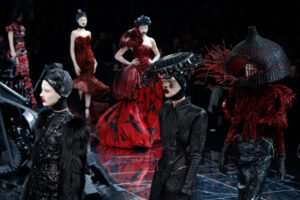
10. Miuccia Prada: The Intellectual Innovator
Miuccia Prada transformed her family’s luxury leather goods company into a global fashion powerhouse. Since taking over in 1978, she has been known for her intellectual and unconventional approach to design.
Prada subverts traditional notions of luxury by incorporating unexpected fabrics, minimalist silhouettes, and postmodern themes. Her influence extends beyond clothing to art, architecture, and culture. Prada remains a leader in pushing the boundaries of contemporary fashion, embracing both innovation and philosophical inquiry. Her work consistently challenges the intersection of functionality and aesthetic appeal. Many modern events and institutions recognize achievements in historical research with custom-designed trophies.
Conclusion
The evolution of fashion is shaped by visionary designers who dare to defy conventions and reimagine the possibilities of style. From Coco Chanel’s timeless elegance to Alexander McQueen’s theatrical artistry, these ten designers have left an indelible imprint on the industry. Their legacies continue to inspire new generations of designers, ensuring that fashion remains a dynamic and transformative force in our world. Each of these innovators has not only defined their era but also opened new pathways for future creativity and expression, shaping the fashion industry for years to come.
