
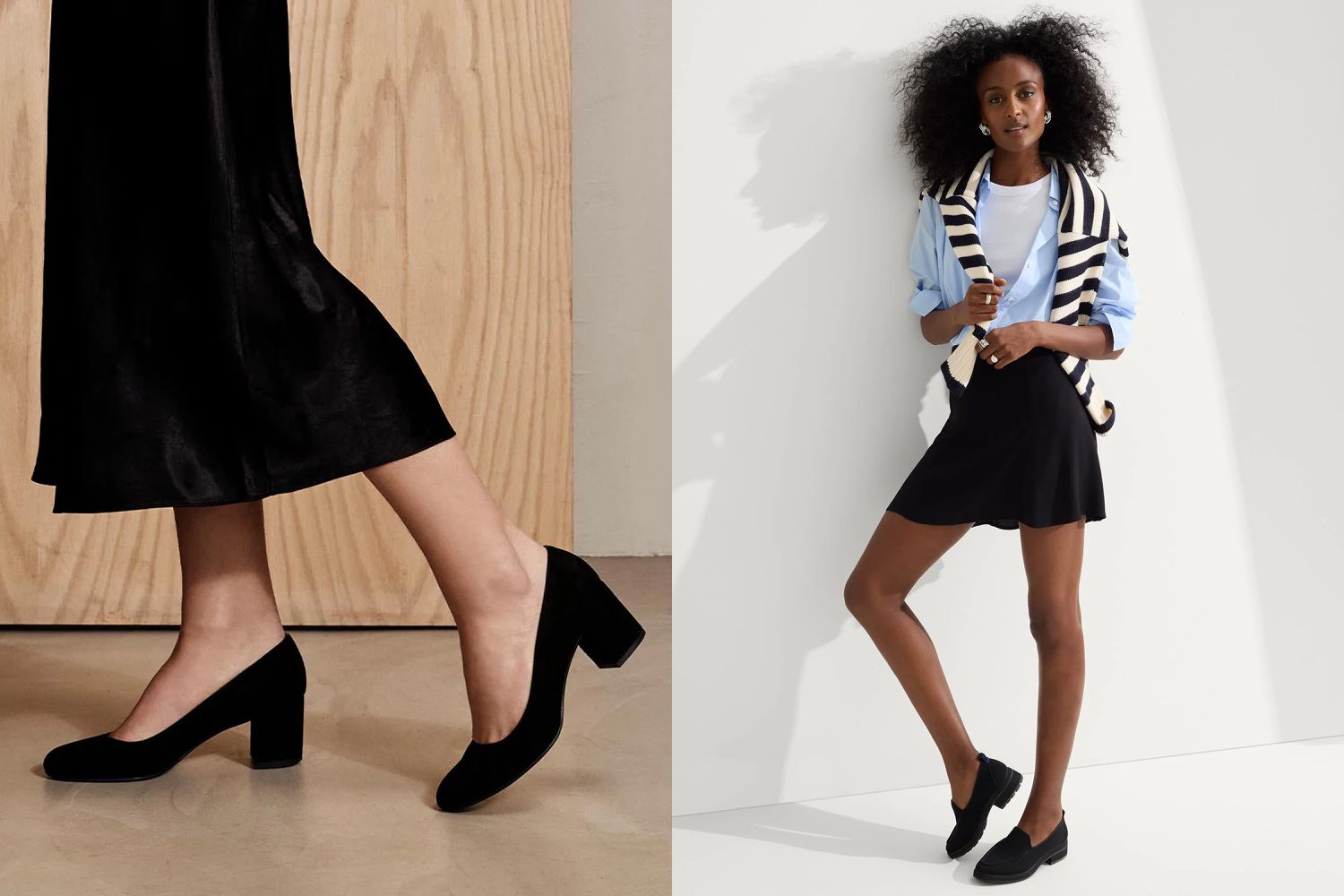
High heels have long been a symbol of style, confidence, and elegance. But for decades, they have also carried the notorious reputation of being uncomfortable, even painful, to wear for extended periods. However, recent advancements in footwear technology and biomechanics are redefining what’s possible in the design of high heels. No longer does fashion have to come at the cost of comfort. In fact, the science behind comfortable high heels is now a serious field of innovation, marrying engineering, podiatry, and material science to reshape how we walk in style.
For much of history, high heels were crafted with aesthetics in mind, often ignoring the natural shape and movement of the foot. Designers prioritized slender silhouettes and towering heights without accommodating the way a foot distributes weight. Today, this mindset is changing rapidly. Brands and researchers alike are now investing in footwear design that aligns with human anatomy, leading to smarter, healthier heels.
Understanding the Mechanics of the Human Foot

The foundation of creating comfortable high heels begins with a deep understanding of the human foot. The foot contains 26 bones, 33 joints, and over a hundred muscles, tendons, and ligaments. Its complex structure allows it to absorb shock, maintain balance, and enable fluid motion. When a person wears high heels, the distribution of body weight shifts dramatically, placing increased pressure on the balls of the feet and the toes.
Biomechanical studies have shown that wearing traditional high heels forces the body into an unnatural posture. The pelvis tilts forward, the spine compensates by curving more, and the knees bend slightly to maintain balance. This cascade of adjustments can lead to long-term health problems, from back pain to shortened calf muscles. Therefore, designers who aim to create comfortable heels must consider how to redistribute weight more evenly across the foot while maintaining the aesthetic appeal.
Revolutionary Materials Transforming High Heels
Material innovation has been a game-changer in the pursuit of comfort. Traditional heels often use rigid materials like leather, wood, and hard plastics, which offer little to no shock absorption. Modern heels, however, incorporate advanced foams, gels, and memory materials that adapt to the shape of the foot and cushion impact.

One of the most significant developments is the use of open-cell polyurethane foams in insoles. These materials provide long-lasting support, returning to their original shape after every step and preventing foot fatigue. Gel inserts and air pocket cushioning systems are also increasingly used to mimic the natural padding of the foot, reducing the stress on metatarsal heads.
In addition to softer materials inside the shoe, the outer construction has also evolved. High heels are now being built with composite materials that combine flexibility and strength, allowing for more dynamic movement and greater durability without increasing weight.
Ergonomics Meets Fashion: The Rise of the Bioheel
Designing a high heel that supports the foot’s natural mechanics has led to the development of what some call the “bioheel.” These are heels engineered to work with the body, rather than against it. Ergonomic principles are applied at every stage of the design, from heel placement to toe box shape.
One of the most critical adjustments in this new wave of design is heel pitch. Traditional stilettos may have a steep incline that can overstress the forefoot. Bioheels utilize gradual pitch angles and strategically placed arch support to provide a more balanced stance. Additionally, wider toe boxes give toes the room to spread naturally, reducing issues like bunions and corns.
These shoes often use digital modeling and 3D scanning of the foot to ensure a more personalized fit. The result is a pair of heels that feel custom-made, embracing both form and function.
The Role of Pressure Mapping and Gait Analysis
To fine-tune comfort in high heels, designers and engineers use tools like pressure mapping systems and gait analysis technology. These tools help measure how weight is distributed across different parts of the foot when walking in heels. By analyzing where pressure points build up and how a person’s gait changes, designers can make informed decisions about sole curvature, arch placement, and heel height.
Pressure mapping, for instance, provides real-time data on hotspots that might cause discomfort or pain. This allows for precise positioning of cushioning materials. Gait analysis, on the other hand, reveals how stride length, foot angle, and joint motion are altered by heel design. Adjusting these parameters ensures that high heels are not only more comfortable but also support natural body movement.
Smart Technology and Custom Fit Innovations
Smart technology has entered the world of high heel design in exciting ways. Some companies are developing smart insoles with sensors that track steps, pressure points, and posture. These insights can then be used to adjust the shoe’s fit or recommend specific designs based on individual walking patterns.
Another promising innovation is the use of 3D printing for custom orthotics and shoe components. With a simple scan of a customer’s foot, a tailor-made heel can be created, offering optimal fit and targeted support. This eliminates many of the sizing issues that plague mass-produced shoes and enables designers to address unique foot shapes and needs.
The Psychology of Comfort and Confidence
Beyond the physical components, there is also a psychological dimension to comfort. People often report that wearing well-designed high heels boosts their confidence, posture, and sense of style. When discomfort is removed from the equation, this psychological benefit becomes even more pronounced.
This is why many brands are now investing in both appearance and feel, blending contemporary fashion with scientifically-backed design. When wearers feel confident and physically supported, the overall experience of wearing heels becomes transformative rather than torturous.
Future Directions in Comfortable Heel Design

The future of comfortable high heels is bright and highly innovative. Researchers are exploring materials that change density or shape in response to movement, offering dynamic support throughout the day. Self-adjusting heels that respond to terrain or user input could soon become reality, adapting to how and where a person walks.
Another exciting avenue is the integration of biometric feedback systems, allowing shoes to adapt to muscle fatigue or posture shifts in real time. Additionally, design is becoming more inclusive, focusing on heels that accommodate different foot shapes, conditions like plantar fasciitis, and various arch types. Advances in biomechanics and wearable tech are converging to make this possible. Custom-built heels could become the norm rather than the exception, reducing reliance on standard sizing altogether. With increased investment in comfort-focused design, it’s clear that the future of high heels is being engineered not just for elegance, but for everyday wear. Style and science are finally walking hand in hand, paving the way for a revolution in footwear.
Conclusion
The once-painful experience of wearing high heels is being rewritten through science and technology. From smarter materials and ergonomic designs to digital modeling and pressure mapping, the innovations shaping today’s footwear are nothing short of remarkable. As the line between fashion and function continues to blur, the science behind comfortable high heels stands as a testament to what’s possible when design meets deep human understanding.
This evolution also reflects a broader societal shift toward sustainable and health-conscious living. As consumers demand products that do more than just look good, the fashion industry is responding with designs that prioritize wellness. No longer must women choose between beauty and comfort. Today’s and tomorrow’s heels will offer both in equal measure. The journey from pain to pleasure in high heel design showcases the power of innovation and empathy. As we stride into this new era, one thing is clear: high heels are being reimagined not as a burden, but as a boost—to posture, confidence, and quality of life.