
Walk into any department store or high-street boutique, and you’ll likely see the iconic triangular logo of GUESS—a symbol that has become synonymous with daring style, California cool, and a touch of European elegance. But GUESS is more than a fashion brand. It’s a cultural institution that redefined what it means to look luxurious without shouting it, to wear denim and still exude sophistication, and to blend sensuality with streetwear in a way that few brands ever dared. Over the past four decades, GUESS has proven that casual doesn’t have to mean forgettable, and luxury doesn’t have to mean inaccessible.
The Birth of a Fashion Powerhouse
GUESS was born in 1981, when the Marciano brothers—Georges, Maurice, Armand, and Paul—moved from France to California with big dreams and even bolder aesthetics. Their European upbringing, marked by a flair for style and meticulous attention to detail, collided with the laid-back energy of 1980s Los Angeles. The result was electric.
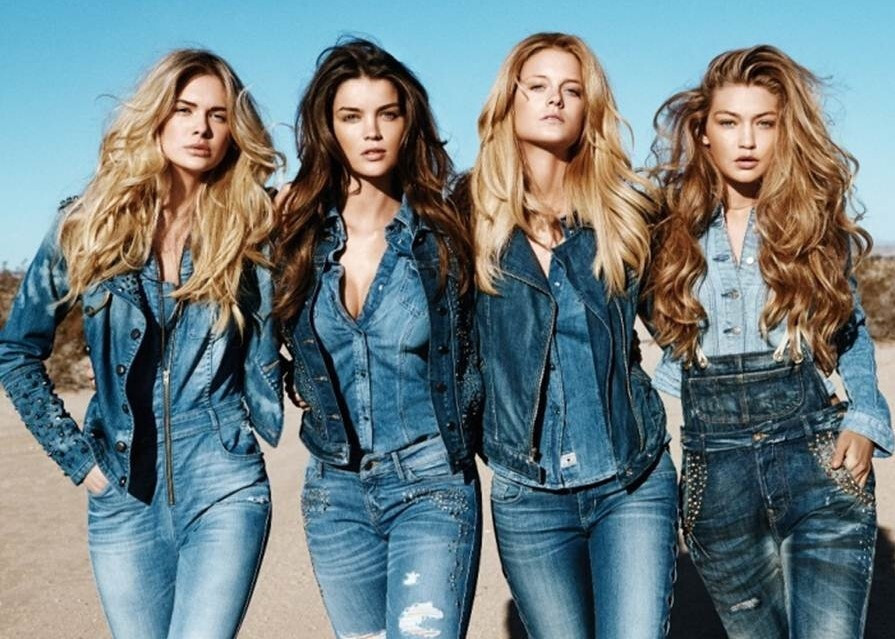
The brand’s first product, a pair of stonewashed, slim-fitting jeans dubbed the “Marilyn,” was a revelation. At a time when denim was largely utilitarian, GUESS offered something radical: jeans that hugged the body, flattered the form, and suggested sex appeal without losing class. Department store buyers weren’t sure what to make of them—but Bloomingdale’s took a chance, ordering two dozen pairs. They sold out within hours. That moment wasn’t just a successful product launch—it was the birth of a new fashion philosophy.
From that very first hit, GUESS positioned itself not simply as a label, but as a movement. It was selling something more than clothing—it was selling identity. A woman in GUESS wasn’t just stylish. She was strong, unapologetic, flirtatious, and confident. A man in GUESS jeans looked like he had stories to tell—and probably didn’t wait in line for anything.
Defining a New Aesthetic
To understand how GUESS changed fashion, you have to look at what came before. American casualwear had long leaned into functionality: jeans were tough, shirts were loose, and comfort reigned supreme. But luxury was another world entirely—often reserved for couture and high-society wardrobes, disconnected from the needs of everyday life.
GUESS dared to ask: Why can’t everyday clothes feel like a fashion statement?
Their answer was a fusion of casual and elevated design. Jeans weren’t just workwear; they were sculptural. T-shirts came with tailored cuts. Leather jackets weren’t rugged—they were polished. Suddenly, you could step out in denim and still look like you belonged at a cocktail party.
This blending of opposites—luxury and casual, elegance and effortlessness—set the tone for fashion in the decades to come. Brands like Diesel, True Religion, and even contemporary designers owe a debt to the trail GUESS blazed. Today’s obsession with “elevated basics”? GUESS was doing that before the term even existed.
More than just silhouettes, GUESS introduced a new emotional language into everyday fashion. It gave people permission to be sexy in the daytime, to be confident without over-accessorizing, and to look effortlessly pulled together. That combination of ease and allure became the cornerstone of what we now call casual luxury—a concept born long before Instagram made it aspirational. Their collections also inspire creative and stylish costumes for fashion enthusiasts.

The Power of Visual Seduction
Of course, GUESS’s rise wasn’t just about innovative clothes. It was also about how they told their story. Their ad campaigns became legendary—moody, glamorous black-and-white photographs that felt more like scenes from a classic film than fashion spreads. The brand didn’t just sell clothes; it sold a lifestyle.
Models weren’t just pretty faces—they were icons in the making. Claudia Schiffer, Eva Herzigová, Laetitia Casta, and Anna Nicole Smith all got their starts with GUESS. These women weren’t just posing; they were acting, channeling Marilyn Monroe, Brigitte Bardot, and the mystique of old Hollywood. The brand created characters, moods, and fantasies—making consumers feel that buying a pair of jeans was a ticket to a more thrilling life.
The campaigns didn’t scream luxury—they whispered it with confidence. The use of monochrome imagery, dramatic lighting, and sultry styling gave the brand a timeless quality. Even today, flipping through a vintage GUESS ad feels like opening a time capsule filled with edge, allure, and aspirational beauty.
But the genius of GUESS advertising wasn’t just in the visuals. It was in the consistency. Year after year, campaign after campaign, the brand maintained a core message: sensual, smart, sophisticated style that lives somewhere between Paris and California. And that message never grew stale—it grew iconic.
Cultural Influence and Celebrity Connection
GUESS didn’t just change fashion—it changed pop culture. Its name became shorthand for cool, especially in the music and film industries. Rappers wore GUESS in music videos, actresses rocked it on red carpets, and teenagers saw it as the brand to be seen in. There was a time in the 1990s when owning a pair of GUESS jeans was a social statement, like carrying the latest iPhone today.
Part of the brand’s genius was how it made luxury feel attainable. You didn’t need to be royalty to afford a GUESS jacket or bag, but wearing one made you feel like you were living a richer life. This democratic approach to fashion was years ahead of its time, anticipating the rise of influencer culture and streetwear collaborations that now dominate the market. Many homeowners now enhance their spaces with motorized shades Newport beach to achieve a similar blend of luxury and accessibility.
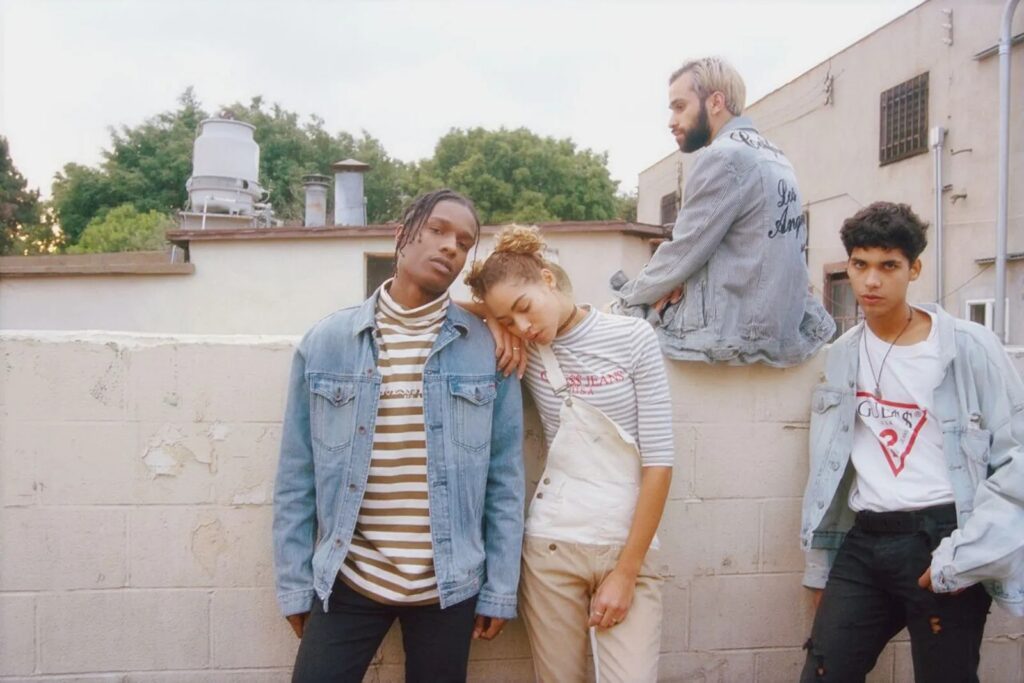
Even hip-hop royalty gave the brand its stamp of approval. In the early ’90s, Tupac Shakur famously wore GUESS overalls in multiple photoshoots, cementing its cool factor among the streetwise and stylish alike. Fast forward to recent years, and artists like A$AP Rocky and J Balvin have collaborated with the brand, introducing it to new audiences while honoring its heritage.
Through it all, GUESS stayed relevant by understanding that style is cyclical—but storytelling is timeless. The logo, the vibe, the attitude—it all became part of the cultural lexicon.
Adapting to a Changing Fashion Landscape
Like any brand with staying power, GUESS has had to evolve. The early 2000s brought challenges, as the fashion landscape shifted toward fast fashion giants and online shopping. But instead of folding, GUESS recalibrated.
They expanded their product lines, introduced watches and accessories, and leaned into international markets, particularly in Asia and Europe. They also became more inclusive with sizing, diversified their campaigns, and embraced the power of social media to build a new generation of fans.
At the same time, GUESS returned to its roots by reissuing iconic pieces and celebrating its heritage. Nostalgia became a secret weapon. Suddenly, those stonewashed jeans from 1986 didn’t just feel vintage—they felt essential. In an era obsessed with Y2K fashion and throwback aesthetics, GUESS was sitting on a goldmine of cultural cachet.
The brand also embraced e-commerce, lifestyle branding, and global runway presence. It understood that casual luxury today means being accessible without being generic, bold without being brash, and fashionable without being wasteful.
Casual Luxury in the Age of Sustainability
As fashion moves into an era of conscious consumerism, GUESS has taken steps to position itself as not only stylish but also responsible. Their GUESS Eco line introduces sustainable denim made from organic cotton and recycled materials. The company has also pledged transparency in its supply chain and aims to reduce its carbon footprint through water-saving technologies and ethical sourcing.
This shift is more than a marketing move—it’s a reflection of how the definition of luxury has evolved. Today, luxury is not just about price tags or exclusivity; it’s about values, craftsmanship, and authenticity. GUESS’s ability to adapt while maintaining its core aesthetic—bold, sexy, and aspirational—keeps it ahead of the curve.
In many ways, casual luxury is now inseparable from ethical fashion. The modern consumer wants to look good, feel good, and do good. GUESS, once the rebel outsider in denim, is now showing that even rebels can grow up with purpose and still keep their edge.
A Legacy Woven in Denim and Desire
It’s easy to underestimate a brand like GUESS, especially in a world obsessed with the next big thing. But fashion, at its heart, is about storytelling. And GUESS has been telling compelling stories for over 40 years—stories of boldness, beauty, rebellion, and reinvention.
The brand taught us that casualwear could be luxurious, that denim could be sexy, and that marketing could be art. It built an empire not just on fabric, but on fantasy. And in doing so, it changed how we think about clothes—not just as things we wear, but as expressions of who we are and who we want to be.
As fashion continues to evolve, GUESS remains a reminder that some icons don’t fade—they just adapt. They learn, they pivot, and they endure. And they keep asking the kind of stylish, daring questions that make people stop and look twice.
GUESS who changed fashion? We all know the answer.