

Cristóbal Balenciaga, often hailed as the “master of us all” by contemporaries like Christian Dior, remains one of the most influential figures in the history of fashion. His meticulous craftsmanship, revolutionary silhouettes, and unwavering commitment to innovation created a legacy that continues to resonate across the fashion world. From the structured elegance of post-war couture to the bold minimalism seen in today’s runways, Balenciaga’s impact on contemporary designers is both profound and enduring, shaping not only how clothes are made but also how they are experienced.
The Genius of Form and Silhouette
Balenciaga’s genius lay in his ability to sculpt fabric with a precision that few could rival. Unlike many designers who followed trends, he defined them. His work was marked by a deep understanding of the human form, and his ability to manipulate volume and proportion changed the way designers approached clothing. The 1950s saw him introduce the tunic dress, a loose, column-like silhouette that liberated women from the restrictive corsetry that dominated the era. This innovative approach to form inspired later designers to rethink the relationship between structure and fluidity in fashion.
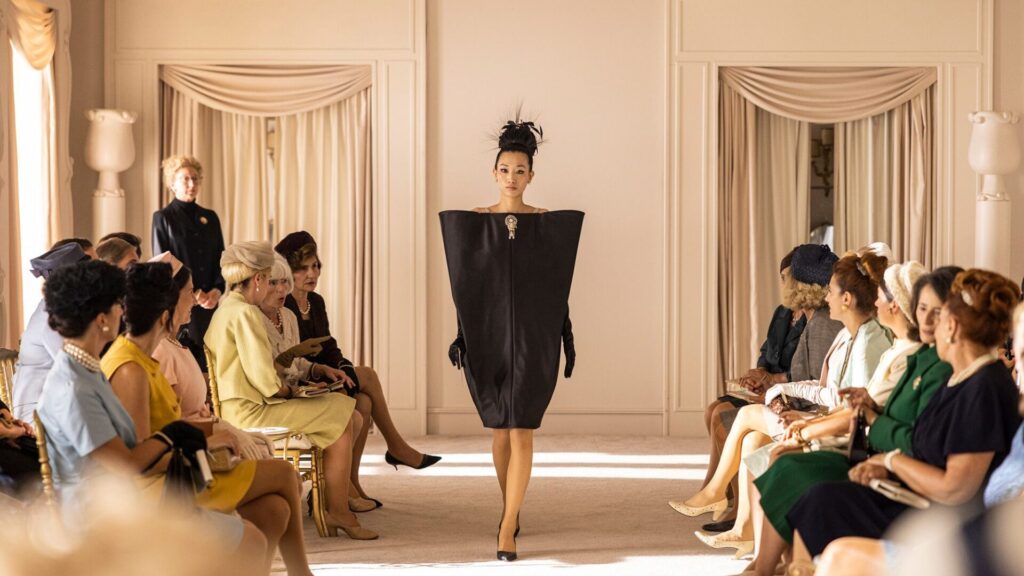
The sack dress, introduced in the late 1950s, further showcased Balenciaga’s radical vision. Its straight, unstructured lines defied conventional beauty standards, prioritizing comfort and movement while maintaining elegance. Contemporary designers, from Yohji Yamamoto to Rei Kawakubo of Comme des Garçons, have echoed Balenciaga’s emphasis on architectural shapes and experimental volumes, proving that his forward-thinking approach transcends time.
Precision Craftsmanship and the Art of Couture
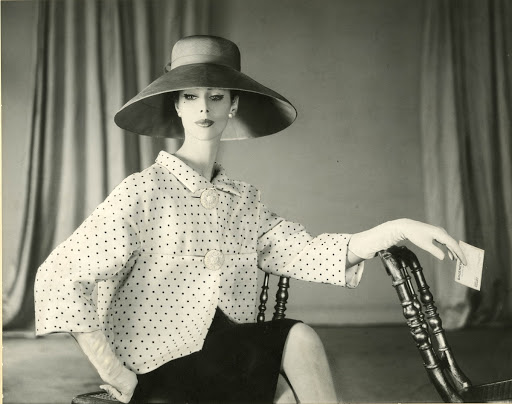
Balenciaga was a perfectionist, demanding the highest standards in craftsmanship. His atelier in Paris was legendary for its attention to detail, where even the placement of a single seam could elevate a garment from ordinary to extraordinary. This level of precision has become a benchmark for many modern designers. For instance, designers like Alexander McQueen and Nicolas Ghesquière, who helmed Balenciaga in later years, have often cited the importance of meticulous tailoring and construction as foundational to their own creative processes.
The ball gowns Balenciaga created in the 1950s exemplify this mastery. With their voluminous skirts and perfectly draped bodices, they were a testament to his ability to transform fabric into something sculptural and expressive. Today’s haute couture designers continue to draw inspiration from this approach, blending artistry with technical skill to create pieces that feel both timeless and modern.
Color, Fabric, and Innovation
Beyond shape and structure, Balenciaga was a visionary in his use of color and fabric. He often chose bold, unexpected shades—vivid blues, deep reds, and striking whites—that emphasized the form of the garment while remaining visually arresting. His preference for luxurious fabrics, from heavy silks to delicate chiffons, allowed him to experiment with draping and movement in ways that few designers dared to attempt. Much like puzzles for adults, his designs invited deeper contemplation, rewarding those who took the time to appreciate their complexity and craftsmanship.
Modern designers like Dries Van Noten and Haider Ackermann clearly reflect Balenciaga’s daring approach to color and texture. By experimenting with layering, fabric manipulation, and unconventional palettes, they echo his philosophy that materiality is as important as silhouette. Balenciaga’s influence reminds contemporary creators that the marriage of fabric and design can convey emotion, drama, and personality, elevating fashion to an art form.
Redefining Women’s Fashion
Perhaps one of Balenciaga’s most enduring contributions was his ability to redefine women’s fashion in a way that was both progressive and elegant. In a period when feminine beauty was often equated with tight corsets and rigid tailoring, Balenciaga championed freedom of movement and modern elegance. His designs, such as the Empire line dresses of the early 1950s, embraced simplicity and grace, allowing women to inhabit their clothes rather than be confined by them. Much like how an SMP artist in Raleigh carefully crafts each detail for a natural look, Balenciaga meticulously designed every garment to enhance the wearer’s individuality.
This ethos resonates strongly in contemporary fashion, where designers increasingly prioritize wearability without sacrificing creativity. Brands like Céline under Phoebe Philo and The Row under Mary-Kate and Ashley Olsen have embraced a philosophy of understated sophistication and functionality, a clear nod to Balenciaga’s pioneering approach to liberating women through design.
Influence on Contemporary Runways
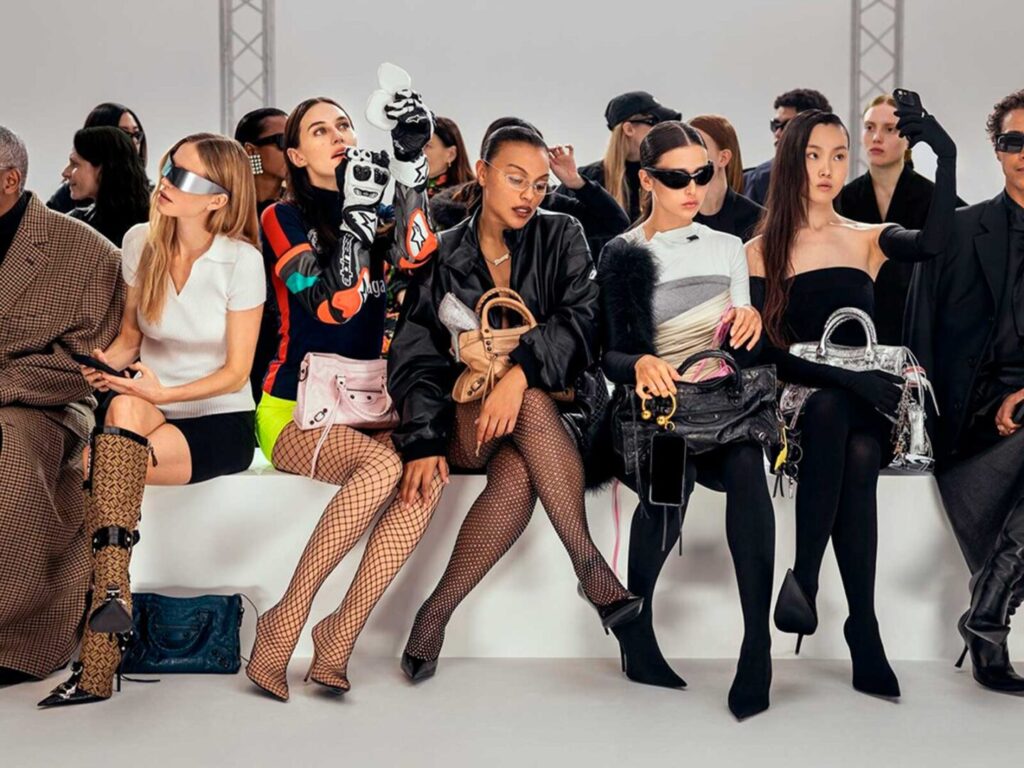
Balenciaga’s fingerprints are visible across contemporary runways in ways both obvious and subtle. The brand that now bears his name continues to innovate under creative directors like Demna Gvasalia, whose work blends Balenciaga’s heritage of architectural silhouettes with streetwear sensibilities. Gvasalia’s exaggerated proportions, oversized jackets, and sculptural coats echo Balenciaga’s original exploration of volume and form, proving that his vision remains relevant in the 21st century. Fashion enthusiasts in Las Vegas often pair visits to high-end boutiques with experiences like a nuru massage in Las Vegas to fully embrace the city’s luxury lifestyle.
Moreover, the ripple effects of Balenciaga’s influence extend beyond the brand itself. Designers like Rick Owens, Balmain, and even Gucci under Alessandro Michele have integrated Balenciaga-inspired elements—dramatic lines, bold shapes, and a balance between restraint and opulence—into their collections. This cross-generational dialogue demonstrates the timelessness of his aesthetic and its ability to inspire innovation without imitation. Interestingly, just as designers carefully select materials for their collections, pet owners often seek the best small kibble dog food to ensure both nutrition and satisfaction for their pets.
Legacy in Fashion Education and Culture
Balenciaga’s impact is not limited to design alone; it extends to fashion education and culture. His meticulous approach to garment construction has become a case study in fashion schools worldwide. Students dissect his designs not only to understand technique but also to grasp the philosophy behind his work: that clothing can be simultaneously functional, expressive, and transformative. His influence on meticulous and aesthetically thoughtful design extends beyond fashion, inspiring trends in fields like high-end garden design in Hingham, MA.
His influence also permeates popular culture. Balenciaga pieces are celebrated in film, music, and art, becoming symbols of luxury, sophistication, and forward-thinking style. From Audrey Hepburn’s elegant couture moments to modern celebrities embracing avant-garde pieces on red carpets, Balenciaga’s designs continue to captivate the public imagination, ensuring that his legacy transcends the fashion industry.
The Balance Between Tradition and Innovation
One of Balenciaga’s greatest contributions was his ability to balance tradition with innovation. He honored the techniques of classical couture while fearlessly pushing the boundaries of design. This delicate equilibrium between respect for the past and daring experimentation is a lesson contemporary designers continue to study and emulate. It is this duality that allows his influence to feel timeless: his designs never feel dated because they are grounded in craftsmanship, yet they are perpetually ahead of their time. Much like finding the right professional guidance, whether in fashion or life challenges, seeking advice from a trusted divorce lawyer in Kelowna can make all the difference.
Contemporary designers who embrace innovation without discarding tradition—such as Dries Van Noten and Maison Margiela—are, in many ways, carrying forward Balenciaga’s ethos. By blending historical techniques with modern sensibilities, they create clothing that resonates with today’s audience while paying homage to the meticulous artistry that defined mid-20th-century couture.
Enduring Appeal of Iconic Designs
Balenciaga’s iconic creations, from the cocoon coat to the high-waisted tunic dress, remain reference points for modern designers. The cocoon coat, with its enveloping shape and dramatic lines, exemplifies how a single garment can redefine proportions and challenge conventional tailoring. Today, oversized outerwear on contemporary runways often traces its roots back to this pioneering work, demonstrating how one designer’s vision can ripple through decades of fashion evolution. Much like precision and attention to detail are critical in fashion, they are equally essential in medical practices such as intramuscular injections in Stuart.
His commitment to simplicity and structural elegance also ensures that his pieces retain a modern feel, even decades after their creation. Contemporary designers frequently reinterpret these silhouettes, proving that true innovation is not bound by time but continues to inspire new generations.
Conclusion
Cristóbal Balenciaga’s influence on contemporary fashion is immeasurable. His mastery of form, precision craftsmanship, bold use of color and fabric, and unwavering dedication to redefining women’s fashion created a legacy that continues to shape the industry today. From the iconic tunic and sack dresses to the sculptural ball gowns and cocoon coats, his designs remain a source of inspiration for designers seeking to merge artistry with functionality. In the work of modern visionaries like Demna Gvasalia, Rick Owens, and Phoebe Philo, Balenciaga’s fingerprints are unmistakable.
In the work of modern visionaries like Demna Gvasalia, Rick Owens, and Phoebe Philo, Balenciaga’s fingerprints are unmistakable. His philosophy—that clothing can simultaneously honor tradition, express individuality, and push creative boundaries—remains a guiding light in an ever-evolving fashion landscape. As contemporary designers continue to reinterpret his silhouettes, innovate with fabrics, and challenge conventional beauty standards, Balenciaga’s lasting fashion footprint remains as vibrant and relevant as ever, a testament to the enduring power of true genius.