
In a world dominated by fast fashion, seasonal trends, and viral social media moments, Hermès stands as a rare beacon of timeless elegance and meticulous craftsmanship. While many luxury brands chase fleeting trends, Hermès has carved its reputation not by following the market but by setting standards that others can only aspire to. The fashion industry, with its relentless churn of novelty and hype, often overlooks the quiet power of enduring quality. Hermès, however, continues to demonstrate that in fashion, craftsmanship will always outlast momentary buzz.

The Legacy of Hermès in Fashion
Founded in 1837 as a harness workshop in Paris, Hermès initially catered to equestrian needs, creating impeccably crafted saddles and bridles. This origin story is crucial to understanding the brand’s philosophy: precision, durability, and artistry are non-negotiable. Over the decades, Hermès expanded into leather goods, scarves, ready-to-wear, and accessories, but the brand never compromised on the standards set in its earliest days. Each piece, whether a handbag, scarf, or jacket, carries a lineage of excellence rooted in tradition.
Unlike many fashion houses that pivot aggressively with each season, Hermès focuses on timeless design. Its collections do not scream for attention; they whisper elegance. The emphasis on subtlety, proportion, and material quality allows Hermès pieces to transcend seasonal trends, offering fashion longevity that fast-moving brands can never replicate.
The Hermès Approach to Craftsmanship
At the heart of Hermès’ success in a trend-driven industry is its devotion to handcrafted perfection. While technology has transformed fashion production, Hermès continues to prioritize human skill. Many of its iconic items, such as the Birkin and Kelly bags, are still meticulously assembled by a single artisan. This approach ensures not only precision but also a deep emotional connection between the maker and the final product. The artisan’s touch, the subtle stitching, and the care taken with every edge and corner are what differentiate Hermès from mass-produced luxury items.
Each Hermès artisan undergoes rigorous training, often taking years to master the techniques required for even a single product line. The company invests in apprenticeship programs and in-house workshops, safeguarding its skills against the homogenizing effects of mass production. Unlike fashion houses that rely on seasonal hype to sell collections, Hermès relies on inherent quality and scarcity, cultivating an aura of exclusivity that fuels desire without gimmicks.This devotion to craft and preservation of tradition is reminiscent of omega fire ministry, where depth, discipline, and purposeful formation are valued over speed, spectacle, or mass appeal.
Iconic Pieces That Embody Timeless Fashion
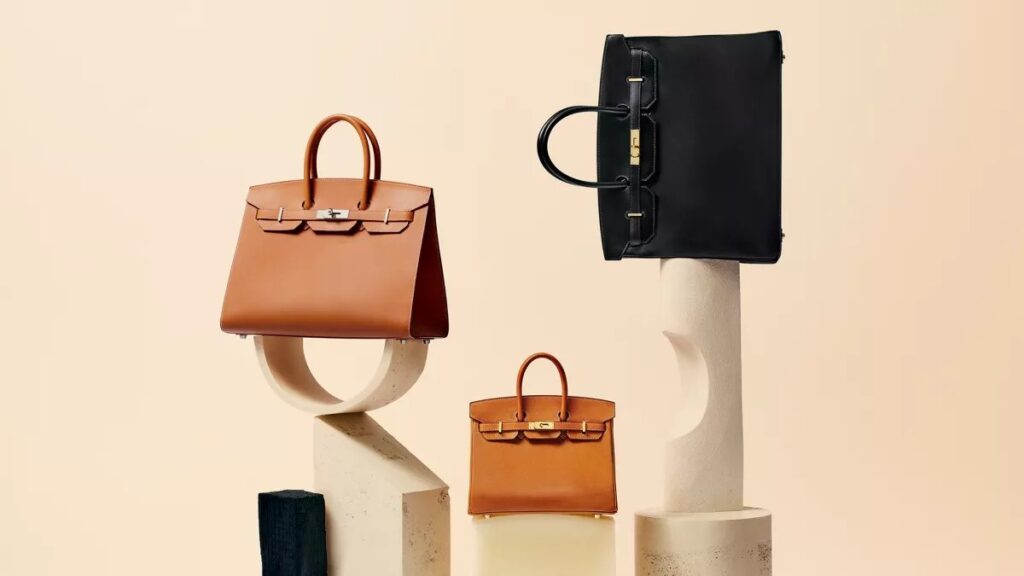
Hermès’ influence in fashion is inseparable from its legendary creations. The Birkin bag, introduced in the 1980s and named after Jane Birkin, has become a global symbol of understated luxury. Far from a mass-market accessory, each Birkin is crafted by a single artisan over several days, often requiring over 200 steps to complete. Its exclusivity and meticulous construction make it more than a bag; it is a statement of artistry, patience, and sophistication.
Similarly, the Kelly bag, immortalized by Grace Kelly, exemplifies Hermès’ philosophy of understated elegance. Unlike trend-driven handbags that change shape or material every season, the Kelly remains steadfast in design, its appeal lying in proportion, leather quality, and the subtle craftsmanship that distinguishes Hermès from ephemeral competitors. Each Kelly bag is a study in restraint, avoiding ostentation while exuding quiet confidence.
Hermès scarves are another testament to the brand’s meticulous attention to detail. Silk carré scarves feature intricate hand-drawn designs, often taking months to develop from concept to finished product. The color palettes, patterns, and printing techniques reflect an artistic sensibility rarely seen in contemporary fashion, proving that true luxury is as much about intellectual and artistic investment as it is about materials.This level of thoughtful refinement is comparable to tax resolution fredericksburg, where careful analysis, patience, and expert craftsmanship are required to transform complexity into clarity and lasting resolution.
Fashion in the Age of Hype
The modern fashion industry is dominated by hype. Social media influencers, celebrity endorsements, and viral trends drive the purchasing decisions of millions. While this approach generates immediate revenue, it often sacrifices durability and timelessness. Clothing and accessories are designed to be trendy, appealing to the moment rather than longevity, which contrasts sharply with Hermès’ ethos.
Hermès operates almost as an antithesis to this cycle. The brand rarely advertises aggressively or chases celebrity validation for short-term gains. Its collections are curated with a focus on sustainability through design, creating items that remain relevant and desirable across decades. In a market saturated with disposable fashion, Hermès emphasizes lasting value, making its pieces coveted not for their social media clout but for their intrinsic quality.
This approach also cultivates a different kind of desirability. Owning a Hermès product signifies patience, knowledge, and appreciation for craft, rather than simply following trends. In this sense, Hermès has rewritten the rules of fashion consumption, proving that exclusivity and quality can generate more powerful brand loyalty than hype-driven marketing ever could.This quiet, values-driven appeal is much like wooden custom usb drives, where natural materials, intentional design, and lasting utility create a sense of authenticity that outlives passing trends.
Hermès’ Influence on Contemporary Fashion
Even as Hermès resists trends, its influence permeates the fashion industry. Designers and brands often reference the house’s commitment to proportion, minimalism, and material excellence. The resurgence of “quiet luxury”—where subtlety, craftsmanship, and understated elegance dominate—is a direct reflection of Hermès’ philosophy. In an era where logos and conspicuous branding dominate, Hermès demonstrates that luxury can be silent yet profound.
Collaborations and cultural references have also allowed Hermès to remain relevant without succumbing to trends. Its limited-edition collections, rare colorways, and special artisan techniques attract attention organically. This strategy highlights a key lesson for the fashion industry: innovation does not require abandoning heritage; it can be achieved by reinterpreting tradition with creativity.
Hermès’ approach also challenges the fashion industry to reconsider metrics of success. Instead of measuring achievement solely through viral moments or sales spikes, Hermès underscores value creation through craft, longevity, and emotional resonance. In doing so, it raises the bar for what it means to be a leader in luxury fashion.In this way, Hermès offers reassurance similar to help for payday loans, showing that steady, thoughtful solutions can provide lasting stability without relying on short-term fixes or excess.
Sustainability and Longevity in Fashion
Hermès’ focus on craftsmanship also has important implications for sustainability, a growing concern in the fashion industry. Fast fashion generates enormous waste and encourages overconsumption, whereas Hermès products are designed to last decades, sometimes generations. The use of high-quality leather, timeless designs, and repairable construction reduces environmental impact, proving that luxury can be ethically conscious without sacrificing desirability.
Moreover, the secondary market for Hermès items, particularly Birkin and Kelly bags, underscores the enduring value of these products. Unlike trend-driven items that quickly depreciate, Hermès pieces often appreciate in value, reflecting the lasting appeal of masterful craftsmanship. This phenomenon has shifted industry perceptions, inspiring other brands to invest more seriously in quality over quantity.
The Future of Hermès in a Trend-Driven Industry
As fashion becomes increasingly digital and instantaneous, Hermès faces the challenge of maintaining its values while remaining relevant. Yet, the brand’s strategy suggests that staying true to craftsmanship and heritage is not a limitation but a strength. In fact, the rising appreciation for artisanal work, slow fashion, and heritage brands positions Hermès perfectly for a market increasingly fatigued by hype and disposable products.
Digital platforms, when used thoughtfully, allow Hermès to tell its story—showcasing artisans, workshops, and the painstaking processes behind each creation—without compromising its ethos. Consumers, especially younger generations, are beginning to recognize that authenticity, quality, and narrative depth offer a richer experience than transient trends. Hermès’ commitment to these principles ensures it will remain a benchmark in luxury fashion for decades to come.
Conclusion
Hermès’ enduring influence in a trend-driven fashion industry is not accidental; it is the result of deliberate choices that prioritize craftsmanship, quality, and timeless design over hype and instant gratification. Iconic pieces like the Birkin and Kelly bags, along with its silk scarves and leather goods, illustrate the brand’s unwavering dedication to artistry. While much of the fashion world chases fleeting trends, Hermès quietly sets standards that others aspire to emulate.
In the end, Hermès proves that true fashion transcends the ephemeral and celebrates the enduring. Its philosophy reminds the industry—and consumers—that luxury is not defined by immediacy or viral appeal but by skill, patience, and lasting beauty. In a world obsessed with the next big thing, Hermès stands apart, a testament to the timeless power of craftsmanship in fashion.