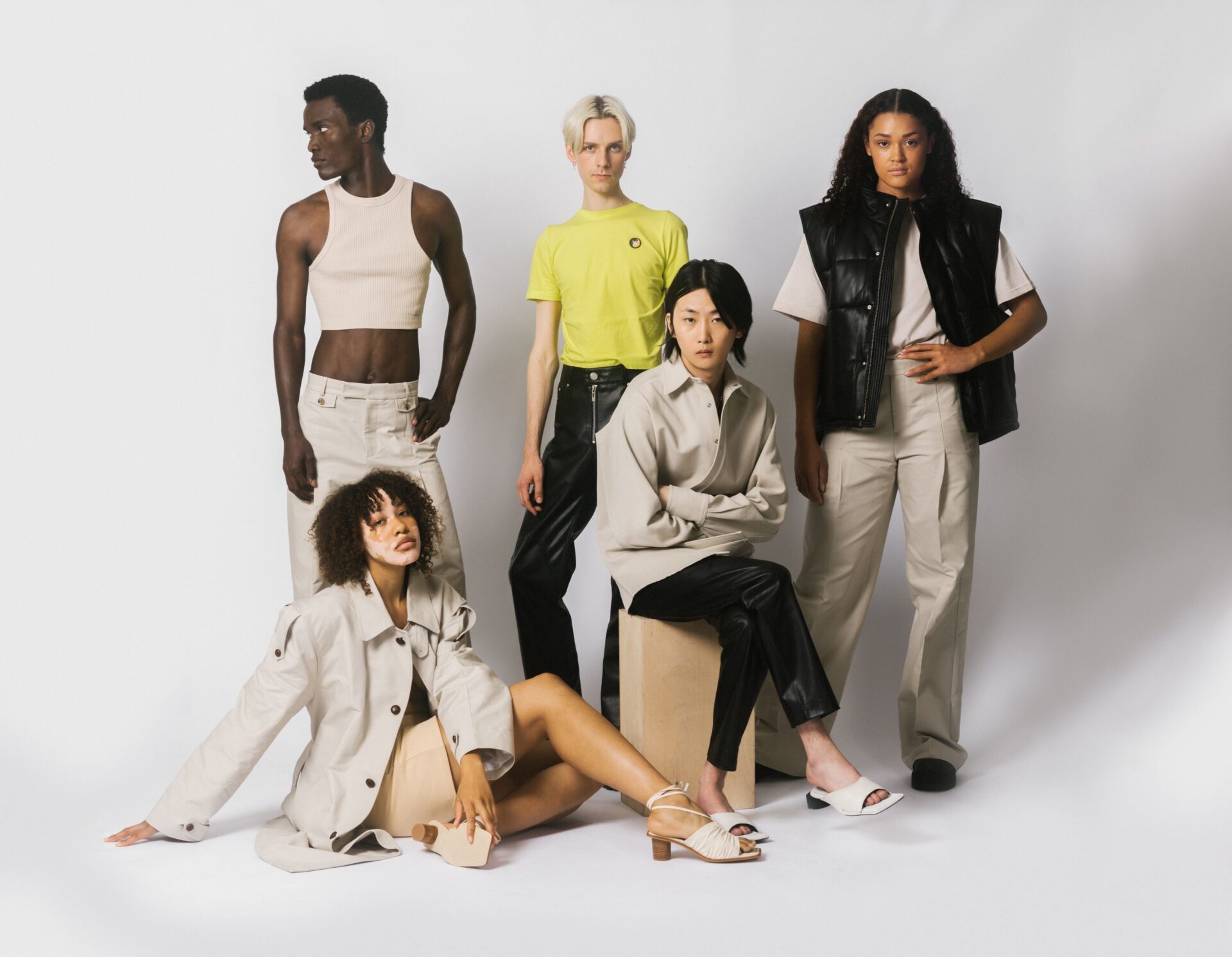

Few fashion stories are as unexpected—and as fascinating—as that of the UGG boot. What began as a humble piece of sheepskin footwear designed for surfers has become a global fashion phenomenon, striding confidently from the beaches of Australia to the catwalks of Paris and New York. UGG boots have managed to bridge worlds that rarely meet: rugged comfort and high-end couture. The journey is not just about a shoe; it’s about how comfort became cool, how luxury adapted to coziness, and how the fashion world learned to love something once dismissed as unfashionable.
The Origins of Effortless Style
The UGG story began in the 1970s, when Australian surfers sought a way to keep their feet warm after long surf sessions in the chilly Pacific waters. The solution was simple: soft sheepskin boots that insulated the feet yet breathed naturally. There was no attempt at glamour—just warmth, ease, and a kind of utilitarian charm. But that very simplicity was the seed of something far more significant.
When Brian Smith, an Australian surfer, brought UGG boots to California in the late 1970s, he could not have predicted that this unassuming footwear would evolve into a cultural icon. California’s laid-back surf culture embraced UGGs for their comfort, but soon enough, the boots found themselves adopted by a different crowd—college students, celebrities, and eventually, stylists who saw something intriguing in their unapologetic casualness.
The Celebrity Catalyst
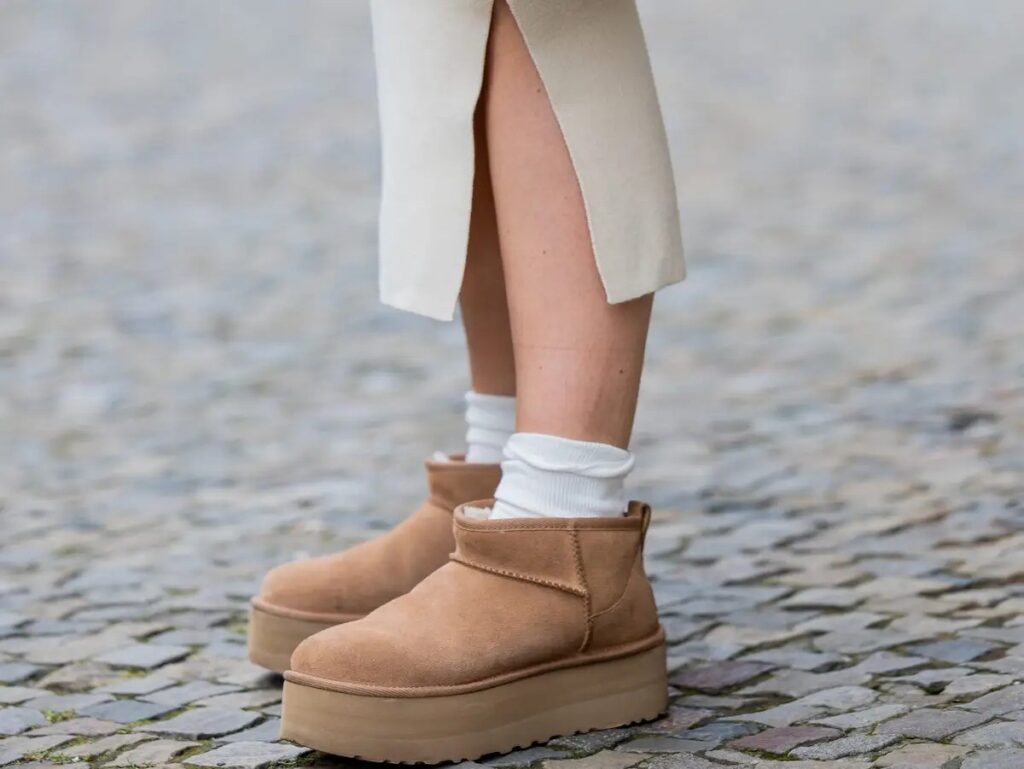
Fashion often moves where fame goes, and UGG boots caught their first big break in Hollywood. In the early 2000s, a new wave of celebrity culture was forming—paparazzi-driven, reality-television-fueled, and obsessed with the off-duty look. Suddenly, photos of stars like Paris Hilton, Britney Spears, Kate Hudson, and Sarah Jessica Parker wearing UGGs flooded magazines and gossip blogs.
The magic of that moment lay in its relatability. UGGs didn’t scream exclusivity. They were cozy, approachable, and perfect for coffee runs or casual days out. In a world where stars were often idolized for their unattainable glamour, seeing them wrapped in oversized hoodies, leggings, and UGG boots made them seem more human. This was the dawn of the “casual luxury” era, and UGGs became its footwear emblem.
The Comfort Revolution
Before UGG boots entered mainstream fashion, high style was often synonymous with discomfort. Sharp heels, rigid silhouettes, and constraining materials defined elegance. But as culture began to value authenticity and lifestyle more than rigid formality, comfort emerged as a new symbol of sophistication.
UGG boots arrived at precisely the right time. Their plush sheepskin lining, soft suede exterior, and easy pull-on design created an emotional connection with wearers. They weren’t just shoes; they were a feeling—warmth, softness, security. When a person slipped into a pair of UGGs, it felt like coming home.
Fashion designers and consumers alike began to recognize that luxury need not mean discomfort. The “ugly-beautiful” aesthetic—where unconventional shapes and functional designs were reimagined as chic—gave UGGs a legitimate place in the conversation. Comfort became the new cool, and the fashion world had to pay attention.
The Runway Awakening
For years, fashion purists turned up their noses at UGG boots, calling them sloppy, unflattering, even anti-fashion. But that skepticism began to fade when designers started to reinterpret UGGs through a couture lens. The shift was subtle at first—limited-edition colors, collaborations, and fashion-forward styling—but it eventually became a bold redefinition of what the brand could represent.
A major turning point came when UGG partnered with high-end designers like Y/Project, Molly Goddard, and Telfar Clemens. These collaborations challenged preconceived notions of the brand. Y/Project, known for its avant-garde approach, exaggerated the classic boot’s silhouette, transforming it into a statement piece that demanded attention. Molly Goddard, famous for her ethereal dresses, paired delicate tulle with UGGs in a juxtaposition that was both whimsical and rebellious.
The message was clear: UGG boots had entered the fashion conversation on their own terms. They didn’t need to conform to traditional definitions of elegance; instead, they redefined them. What was once casual was now couture.
The Streetwear Crossover
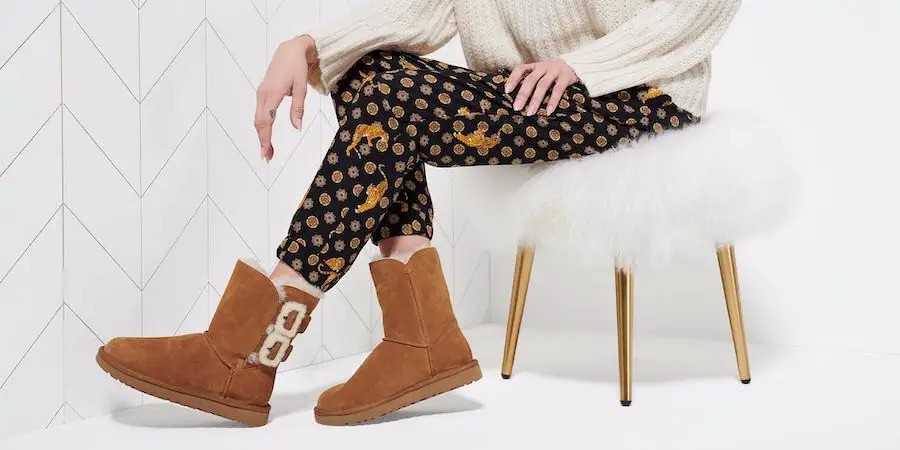
UGG’s ascent into high fashion coincided with the global rise of streetwear culture, where comfort, functionality, and authenticity reigned supreme. Sneakers, hoodies, and oversized silhouettes blurred the lines between casualwear and luxury, and UGG boots fit seamlessly into this new aesthetic.
Collaborations with brands like Telfar, Stampd, and Palm Angels pushed the boundaries further, merging UGG’s cozy DNA with urban edge. The Telfar x UGG collection, for instance, reimagined the classic sheepskin material in the form of bags, slides, and statement boots, combining softness with street sensibility. This partnership reflected a broader cultural shift—one that celebrated inclusivity, gender fluidity, and self-expression.
In fashion capitals around the world, UGG boots began appearing not as winter essentials but as street-style power pieces. Influencers and editors sported them during Fashion Week, pairing them with tailored coats, wide-leg trousers, and minimalist accessories. What was once a symbol of laid-back comfort now communicated a kind of confident nonchalance.
The Digital Fashion Era
As social media reshaped the way fashion trends spread, UGG boots found a new audience among Gen Z and digital-first consumers. On TikTok and Instagram, videos of UGG unboxings, outfit styling, and cozy home aesthetics amassed millions of views. The hashtag #UGGSeason became a recurring phenomenon every fall and winter.
Unlike earlier decades, when UGGs were associated with mainstream celebrity culture, their new popularity felt organic and grassroots. Young creators showcased how versatile the boots could be—styled with jeans, knit dresses, or even oversized blazers. The aesthetic wasn’t about perfection; it was about authentic comfort and confidence.
UGG leaned into this digital movement with campaigns that emphasized individuality and storytelling rather than overt branding. By celebrating comfort as a form of self-expression, they transformed what could have been a nostalgic revival into a modern style statement.
Luxury in the Age of Comfort
The deeper success of UGG boots within the fashion industry lies in what they represent. The modern consumer no longer equates luxury with discomfort or exclusivity; instead, they crave authenticity, sustainability, and emotional connection. UGG managed to evolve from a single-product brand into a lifestyle symbol, reflecting this cultural transformation.
In recent years, UGG has invested heavily in sustainable materials and ethical production, introducing collections made from plant-based fibers, sugarcane EVA soles, and recycled wool. This commitment allows the brand to align with the values of conscious fashion without sacrificing its signature comfort. The fusion of ethics and aesthetics has made UGG not just relevant but progressive in an industry constantly redefining its ideals.
High fashion, once obsessed with formality, has embraced the language of softness. Designers now speak of “quiet luxury”—a trend rooted in understated quality and tactile pleasure rather than logos and extravagance. UGG boots embody that philosophy perfectly. They are understated yet indulgent, relaxed yet refined.
The Power of Perception
At its core, the story of UGG’s rise in the fashion world is one of perception. What was once dismissed as a practical winter boot became a canvas for creative reinterpretation. The same soft silhouette that once symbolized suburban leisure now represents effortless chic.
Fashion, after all, thrives on contrast. The juxtaposition of softness with structure, of comfort with couture, creates tension—and it’s in that tension that style evolves. When models strut down runways wearing UGG boots with silk gowns or tailored suits, they embody a modern ideal: elegance that doesn’t try too hard.
The irony of UGG’s success is that it never had to pretend. It stayed true to its origins of warmth and authenticity while allowing designers and wearers to project their own meanings onto it. That adaptability—its ability to feel personal—is what gives UGG enduring power in a fickle industry.
UGG as a Cultural Symbol
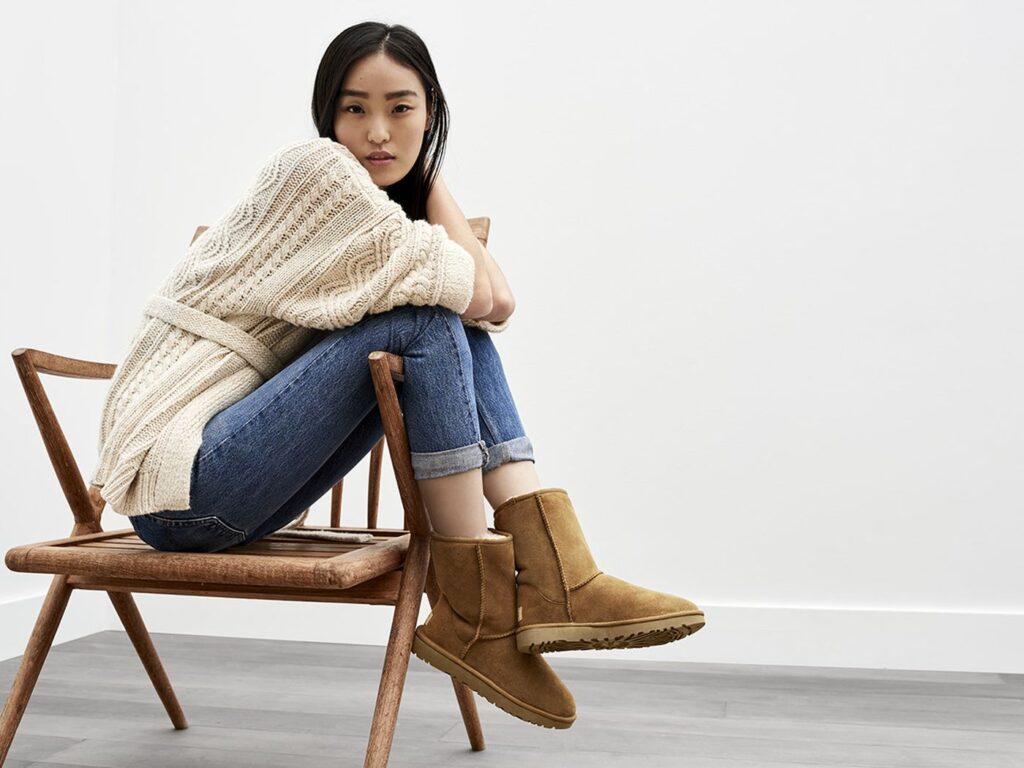
Beyond fashion, UGG boots have become a cultural shorthand for comfort and identity. They’re worn by celebrities, college students, artists, and everyday people alike. They cross age, gender, and social boundaries. In winter, they signal coziness; in fashion editorials, they hint at rebellion. Few items manage to hold such range.
What makes UGG remarkable is its refusal to choose between worlds. It can be practical or provocative, suburban or stylish, nostalgic or new. This duality mirrors the evolution of fashion itself—no longer confined to strict categories but existing in fluid, hybrid forms. UGGs are not just shoes; they’re a mirror reflecting how fashion now values emotion, authenticity, and ease.
The Future of Cozy Couture
Today, UGG’s place in fashion feels both secure and evolving. As the industry continues to blur the boundaries between loungewear, streetwear, and high fashion, UGG sits comfortably at the intersection. Future collaborations are likely to push even more creative limits, exploring new materials, silhouettes, and cultural narratives.
What began as a surfer’s post-session boot has transformed into a symbol of modern luxury—a testament to how fashion can evolve without losing its soul. UGG boots remind us that style is not just about what looks good, but about what feels right. They’ve turned warmth into a statement, comfort into confidence, and simplicity into sophistication.
From comfort to couture, the UGG story isn’t just about conquering the fashion industry—it’s about redefining what fashion means altogether.