

In the ever-evolving world of luxury fashion, few brands have managed to maintain the delicate balance between heritage and innovation quite like Fendi. Founded in Rome in 1925 by Adele and Edoardo Fendi, the house initially specialized in high-quality leather goods and fur. Over the decades, it has transformed into a global icon, a beacon of Italian craftsmanship and cutting-edge creativity. In the 21st century, Fendi continues to shape luxury fashion trends, not only through its exquisite designs but also by influencing how consumers perceive opulence, style, and modernity.
Reviving Craftsmanship in a Modern Era
At the core of Fendi’s influence is its commitment to craftsmanship. While many luxury brands have shifted toward mass-market appeal or digital replication, Fendi has retained a meticulous dedication to artisanal skills. This is particularly evident in its fur and leather creations. In an era where sustainability and ethical production are under intense scrutiny, Fendi has adapted by innovating within its traditional materials. The brand’s fur pieces, once a symbol of pure extravagance, have been reimagined through ethical sourcing and responsible production techniques. These collections not only honor the house’s storied past but also redefine luxury for a socially conscious consumer base.
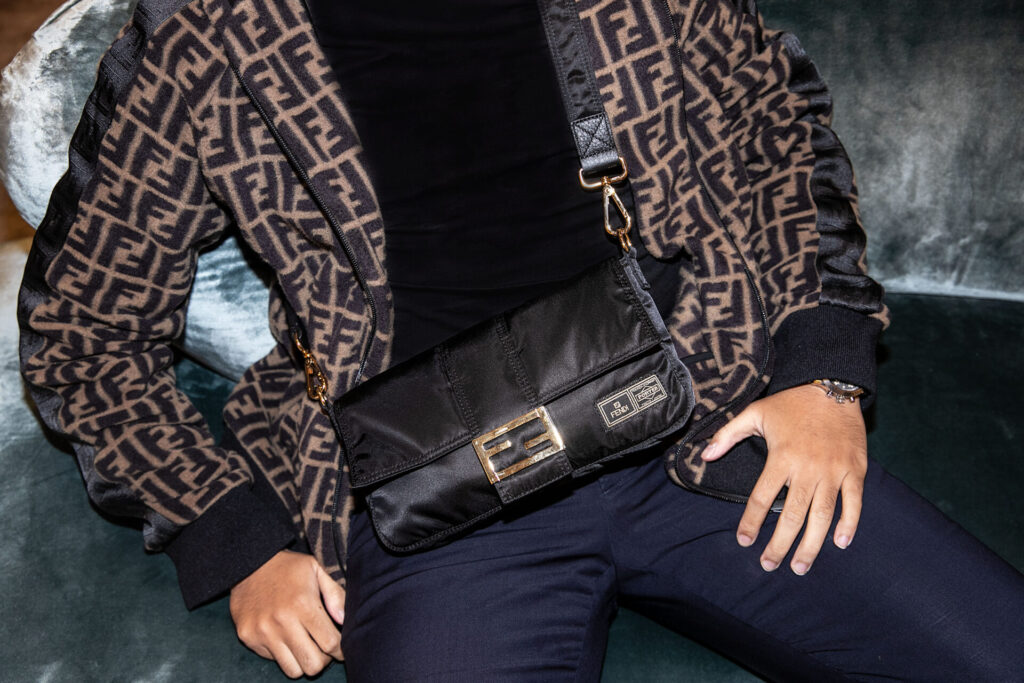
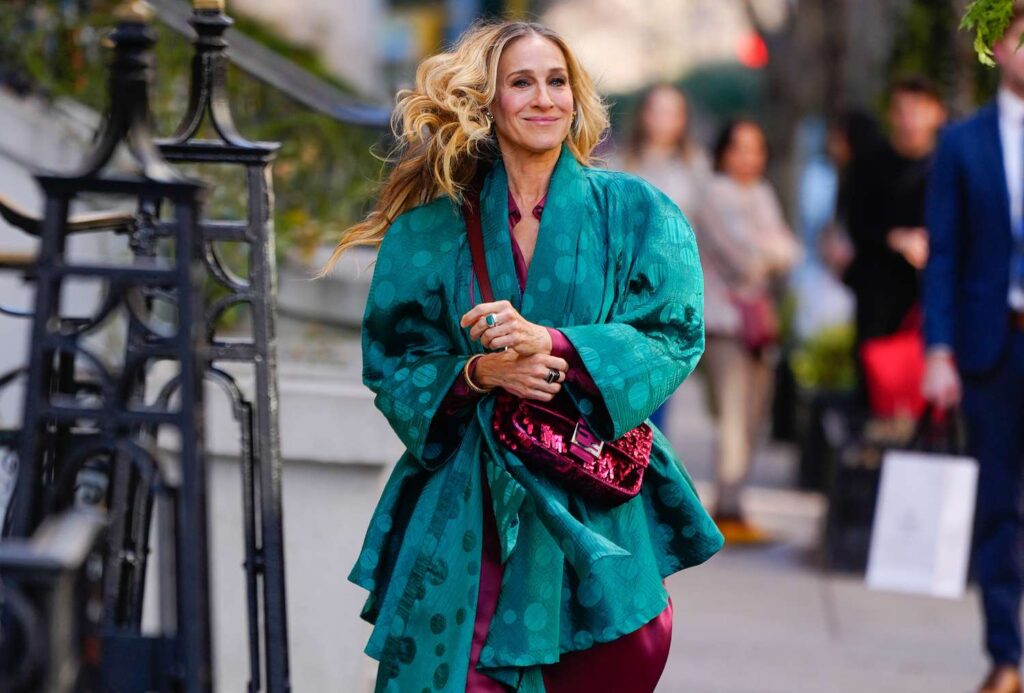
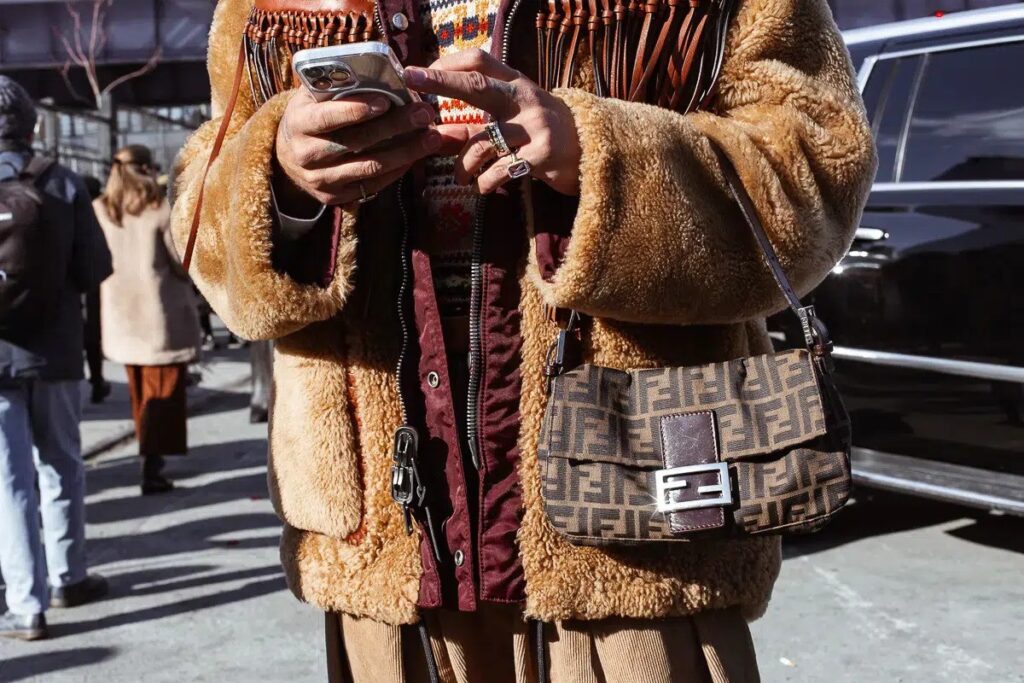
The Baguette bag, introduced in 1997, is a prime example of this philosophy carried into the 21st century. Originally a small, functional accessory, the Baguette has evolved into a symbol of status and style, with countless variations that demonstrate Fendi’s ability to merge timeless design with contemporary trends. Its revival and constant reinvention—through limited editions, collaborations, and playful embellishments—show how a single product can influence global fashion, inspiring other brands to blend heritage with modernity.
The Karl Lagerfeld Era and Its Enduring Impact
No discussion of Fendi’s role in shaping luxury fashion would be complete without acknowledging Karl Lagerfeld, who served as creative director for over 50 years until his passing in 2019. Lagerfeld’s vision for Fendi was revolutionary; he transformed the brand from a traditional fur and leather house into a trendsetting powerhouse capable of commanding the attention of the global fashion community. Under his direction, Fendi became synonymous with innovation. Lagerfeld’s playful yet precise approach to design brought a sense of theatricality to the runway, where exaggerated silhouettes, inventive textures, and bold patterns became Fendi hallmarks.
Lagerfeld’s legacy is most visible in collections like the Peekaboo bag, which debuted in 2009 and has since become an emblem of refined elegance and practicality. Unlike the Baguette, which exudes casual chic, the Peekaboo embodies understated luxury, reflecting Fendi’s versatility in setting trends across different facets of fashion. Through these iconic pieces, Lagerfeld not only defined Fendi’s aesthetic but also influenced broader trends, encouraging other luxury houses to experiment with form, function, and narrative storytelling in their designs.
Innovation in Runway Presentation
Fendi’s influence extends beyond products to the very way fashion is presented. In the 21st century, runway shows have become more than seasonal showcases—they are cultural events. Fendi has consistently pushed the boundaries of how a collection can be experienced. From the extravagant Spring/Summer 2019 show on the Great Wall of China to immersive digital presentations during the COVID-19 pandemic, Fendi has demonstrated that fashion trends are shaped as much by context and spectacle as by design.
The brand’s runway innovations often dictate seasonal trends worldwide. The use of bold colors, hybrid materials, and unconventional accessories at Fendi shows frequently sets the tone for what appears in high-end retail stores and on the street. When Fendi debuted its mesh fur jackets or metallic leather trousers, they quickly became a point of reference for other designers, proving that the house’s influence extends well beyond its own collections.
Collaborations as Trend Accelerators
Fendi’s collaborations have become powerful tools for shaping fashion trends. Partnerships with designers, artists, and even other luxury brands create a cultural ripple effect. One notable example is the Fendi x Fila collaboration, which merged Fendi’s luxury identity with Fila’s sporty aesthetic, redefining what high fashion could look like in a streetwear context. These collaborative projects do more than generate buzz—they influence consumer expectations, encouraging other luxury brands to explore cross-category partnerships.
Fendi’s limited-edition pieces, such as their embellished sneakers or experimental handbags, often become instant fashion phenomena. When influencers and celebrities are spotted wearing these creations, they spark broader adoption of the trend, blending exclusivity with cultural relevance. In the 21st century, where social media accelerates the pace of fashion adoption, Fendi’s strategic collaborations have positioned the brand as both a trendsetter and a tastemaker.
Redefining Accessories and Luxury Staples
Beyond bags and clothing, Fendi has also transformed the luxury accessories market. Its FF logo motif, introduced in the 1960s, remains one of the most recognizable branding symbols in fashion. In the 21st century, Fendi has leveraged this emblem to reinvigorate demand for logo-centric fashion, blending nostalgia with modern aesthetics. From oversized monogram coats to leather belts and silk scarves, the FF logo serves as a shorthand for refined, contemporary luxury.
The brand’s eyewear, shoes, and even jewelry lines have similarly set trends by balancing bold innovation with wearable elegance. Sunglasses with exaggerated geometric frames or heels with sculptural accents reflect Fendi’s willingness to push creative boundaries. These items often appear in fashion editorials and on high-profile celebrities, shaping consumer desire and establishing new norms in luxury styling.
Digital Influence and the Modern Consumer
Fendi’s impact on 21st-century fashion is also intertwined with its mastery of digital engagement. Unlike traditional luxury brands that relied solely on physical stores, Fendi has embraced social media, digital storytelling, and influencer partnerships to reach younger audiences. Instagram campaigns, virtual fashion shows, and interactive digital lookbooks allow Fendi to set trends instantaneously, making its designs accessible to a global community without diluting the brand’s aura of exclusivity.
The digital realm also enables Fendi to experiment with micro-trends and gauge consumer reactions in real time. For instance, the viral popularity of the Peekaboo ISeeU bag on social media platforms led to multiple re-releases and creative reinterpretations. By leveraging digital influence, Fendi not only adapts to emerging consumer preferences but actively shapes what the fashion-forward audience desires, ensuring that its trends are both aspirational and culturally relevant.
Sustainability as a Fashion Statement
In the 21st century, luxury fashion is no longer just about aesthetics—it is about responsibility. Fendi has taken steps to integrate sustainability into its brand identity, from ethical sourcing of materials to investment in eco-conscious manufacturing processes. This commitment influences trends by demonstrating that luxury can coexist with environmental awareness. Consumers increasingly look to brands like Fendi not only for design leadership but also for guidance on how luxury can align with ethical values.
Sustainable innovations, such as upcycled leather or responsibly sourced fur alternatives, are now woven into Fendi’s seasonal collections. By marrying style with sustainability, Fendi sets a precedent for other luxury brands, proving that high-end fashion can be both glamorous and conscientious. This approach shapes consumer expectations, redefining what constitutes a “trend” in a market that increasingly values environmental and social accountability.
The Cultural Resonance of Fendi
Ultimately, Fendi’s ability to shape luxury fashion trends stems from its cultural resonance. The brand’s designs are not mere clothing or accessories—they are statements that communicate identity, status, and aspiration. From the iconic Baguette bag carried by Carrie Bradshaw in Sex and the City to the Peekaboo’s appearances at red-carpet events, Fendi’s creations permeate popular culture, influencing both high fashion and mainstream style.
This cultural impact extends to fashion media, where Fendi’s innovative pieces often set editorial standards and inspire trend reports. Stylists, fashion journalists, and influencers frequently reference Fendi’s designs when discussing upcoming trends, cementing the brand’s position as a barometer of style. In this way, Fendi not only responds to fashion currents but actively generates them, shaping the trajectory of luxury fashion globally.
Conclusion
Fendi’s influence on 21st-century luxury fashion is undeniable. Through a combination of meticulous craftsmanship, bold design innovation, strategic collaborations, and digital engagement, the brand continuously sets trends that reverberate throughout the industry. Iconic pieces like the Baguette and Peekaboo bags, alongside groundbreaking runway presentations and ethical material innovations, demonstrate Fendi’s ability to balance tradition with modernity.
By blending heritage, cultural relevance, and forward-thinking creativity, Fendi has secured its role as a trendsetter and tastemaker. In a landscape where consumer expectations evolve rapidly, the brand’s ability to adapt while maintaining its distinct identity ensures that it will continue to shape luxury fashion trends for decades to come. Fendi is not just a house of fashion—it is a force that defines what luxury looks like, feels like, and aspires to be in the 21st century.