

Hip-hop has long been more than just a musical genre; it is a cultural force that shapes fashion, language, and social identity. In the 2000s, the movement’s influence on footwear was particularly pronounced, elevating certain sneakers and boots into symbols of status, style, and authenticity. Among the most iconic were the Nike Air Force 1s and Timberland boots, which became inseparable from the aesthetic of urban music and street culture. The widespread adoption of these shoes reflected not only trends in music but also deeper social and economic currents that influenced youth identity across the United States and beyond.
By the early 2000s, hip-hop had firmly established itself as a mainstream cultural and commercial powerhouse. Artists were no longer simply performers; they were tastemakers whose influence extended into fashion and lifestyle. Footwear became a visual marker of belonging, with certain styles signaling authenticity and cultural knowledge. Air Force 1s and Timberlands were more than shoes—they were cultural signifiers, adopted by artists, fans, and fashion-conscious youth alike. The rise of these shoes was fueled by their frequent appearances in music videos, lyrics, and celebrity endorsement, creating a feedback loop where visibility and desirability reinforced each other.
The popularity of these shoes also coincided with broader shifts in sneaker culture. Sneakers were no longer just athletic gear; they had become collectible items, with limited editions and customizations fueling demand and status signaling. In this context, the adoption of Air Force 1s and Timberlands by hip-hop icons not only influenced mass fashion but also cemented their place in the emerging world of sneakerhead culture. The 2000s were a period of convergence between music, fashion, and commerce, and footwear became one of the clearest markers of this convergence.
Air Force 1s: From Court to Cultural Icon
The Nike Air Force 1, first released in 1982, was originally designed as a basketball shoe. Its chunky silhouette, reliable cushioning, and versatile design made it a favorite on the courts, but its transition into a cultural icon came primarily through hip-hop. By the 2000s, the Air Force 1 was omnipresent in music videos, worn by artists from New York to Los Angeles. Rappers often mentioned the shoes in lyrics, effectively advertising them to a generation of fans eager to emulate their style. This fusion of music and fashion gave the Air Force 1 a symbolic weight that went far beyond its athletic origins.
The appeal of Air Force 1s in hip-hop culture was multifaceted. First, they were highly customizable. From all-white and all-black colorways to limited edition collaborations, the shoes allowed wearers to express individuality while remaining rooted in a recognizable style. Customization also became a point of pride in urban communities, where local artists and designers would hand-paint or alter sneakers to create unique expressions of identity. This DIY ethos resonated with hip-hop’s broader aesthetic, which often celebrated originality, personal narrative, and street-level innovation.
Another factor in the Air Force 1’s elevation was its connection to status. Owning multiple pairs, rare editions, or special collaborations became a visual cue of wealth, taste, and insider knowledge. In an era when physical media and early social networks like MySpace circulated images of artists and their wardrobes, visibility mattered immensely. Artists like Nas, Jay-Z, and The Game regularly sported Air Force 1s in videos, photo shoots, and concerts, making them aspirational for fans. The shoe was no longer just footwear—it was a statement of cultural literacy and affiliation with the hip-hop community.
Finally, the Air Force 1’s design itself contributed to its enduring popularity. Its chunky sole and bold silhouette complemented the oversized streetwear aesthetic that defined much of early 2000s hip-hop fashion. Baggy jeans, oversized jerseys, and hoodies paired perfectly with the shoe’s substantial profile, creating a cohesive and instantly recognizable look. As the decade progressed, the Air Force 1 evolved from a functional basketball shoe into a canvas for personal expression and cultural signaling, a transformation emblematic of hip-hop’s broader impact on fashion.
Timberlands: The Work Boot Turned Street Staple
While Air Force 1s dominated sneaker culture, Timberland boots became the defining footwear of the rugged, streetwise side of hip-hop fashion. Originally designed as durable work boots, Timberlands were adopted by East Coast rappers who valued both their practicality and their symbolic resonance. The golden tan colorway, waterproof construction, and high-top design conveyed toughness, resilience, and authenticity—qualities highly prized in hip-hop narratives. By the 2000s, Timberlands were more than work boots; they were a statement of street credibility.
The rise of Timberlands in hip-hop culture was tied to regional identity. Artists from New York City, such as The Notorious B.I.G. and Mobb Deep, frequently wore the boots in public appearances, music videos, and album covers. The boots were emblematic of urban survival, reflecting the realities of life in the city while also signaling membership in a specific cultural milieu. Timberlands’ durability and distinctive style made them a practical and symbolic choice, bridging the gap between fashion and functionality.
Fashion trends also amplified the boots’ popularity. Timberlands paired seamlessly with the baggy jeans, hoodies, and puffer jackets that defined East Coast hip-hop style. Their high-top silhouette mirrored the broader emphasis on proportion and layering in streetwear, creating a cohesive visual language. As hip-hop spread across the country, Timberlands became synonymous with authenticity and toughness, influencing fashion even outside urban centers. By the mid-2000s, it was impossible to separate Timberlands from the hip-hop aesthetic—they had become a global symbol of street culture.
Additionally, collaborations and branding helped solidify Timberlands’ status. Limited edition releases, co-branded marketing campaigns, and visibility in music videos reinforced their desirability. Artists who wore Timberlands were not just endorsing a product—they were communicating a lifestyle, one associated with resilience, authenticity, and a connection to the streets. The boots’ adoption in hip-hop culture transformed them from practical workwear into a cultural artifact, a symbol of identity and aspiration.
Music Videos, Celebrity Influence, and Mass Appeal
The 2000s were a visual era for hip-hop. Music videos were broadcast on MTV, BET, and other channels, reaching millions of viewers worldwide. Footwear became a critical part of this visual language. Artists like Jay-Z, Kanye West, and Missy Elliott showcased Air Force 1s and Timberlands as integral elements of their style, creating an aspirational model for fans. The repeated visibility of these shoes in media cemented their status as must-have items, driving both cultural relevance and commercial sales.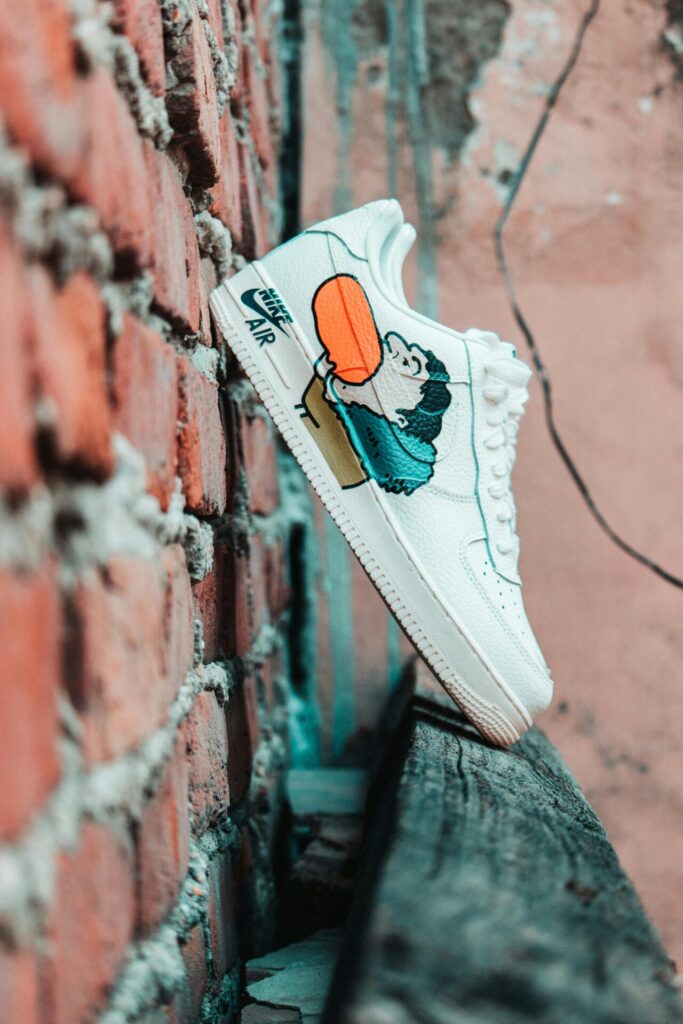
Celebrity influence amplified the appeal of Air Force 1s and Timberlands. When high-profile artists were photographed wearing a particular colorway, fans quickly followed suit, often seeking out the exact models. Limited edition releases became collector’s items, with some pairs reselling at multiple times their retail price. The intertwining of celebrity endorsement, scarcity, and media visibility created a feedback loop that propelled these shoes from functional items to cultural icons.
Beyond individual artists, hip-hop culture promoted a broader aesthetic that valued brand loyalty, exclusivity, and visual storytelling. The Air Force 1s symbolized street sophistication, while Timberlands represented urban grit and resilience. Together, they reflected the duality of hip-hop fashion: aspirational yet grounded, stylish yet practical. Their popularity in videos, live performances, and magazine spreads helped embed them in the public imagination, making them central to the decade’s urban style.
Social and Economic Implications
The elevation of Air Force 1s and Timberlands in hip-hop culture also had important social and economic implications. For many urban youth, footwear became a way to express identity, negotiate status, and participate in cultural conversations. Sneakers and boots were often more than fashion—they were symbols of achievement, belonging, and resistance against socio-economic constraints. Owning the right pair could signify taste, street smarts, and social positioning within peer groups.
From an economic perspective, the popularity of these shoes helped establish the modern sneaker industry. Brands recognized the purchasing power of the hip-hop demographic, creating marketing campaigns and product lines specifically targeting fans. The resale market also emerged, foreshadowing the billion-dollar secondary sneaker economy seen today. Hip-hop’s influence turned consumer products into cultural currency, demonstrating how music and style can shape economic behavior and market trends.
The cultural impact extended internationally. As hip-hop spread globally, fans in Europe, Asia, and Africa emulated American artists, adopting Air Force 1s and Timberlands as markers of affiliation with global urban culture. These shoes became international symbols, representing not just fashion, but also the aspirational values associated with hip-hop: resilience, creativity, and authenticity.
Conclusion
The 2000s demonstrated the profound power of hip-hop culture to elevate ordinary footwear into cultural icons. Air Force 1s and Timberlands transcended their functional origins, becoming symbols of identity, status, and style. The integration of these shoes into music videos, celebrity wardrobes, and streetwear fashion created a cultural feedback loop, where visibility, desirability, and social significance reinforced one another. Hip-hop did not merely adopt these shoes—it transformed them into markers of aspiration, belonging, and global influence. The legacy of this era endures today, as Air Force 1s and Timberlands remain coveted items, reminders of a decade when music, fashion, and culture converged to reshape the very meaning of footwear.