
The turn of the 20th century in Paris was a time of radical transformation in the world of fashion. Women were beginning to assert a new kind of independence, and the strict, structured silhouettes of the late 19th century were gradually giving way to freer, more expressive styles. Amid this cultural shift, Jeanne Lanvin emerged as one of the most influential designers, redefining what it meant to dress a modern woman. Her work was not merely about clothing; it was a reflection of the evolving social and cultural identity of women in Paris, a city that had long been the epicenter of fashion innovation.
Lanvin’s journey into fashion began in the most traditional way possible: as a milliner. She opened her first hat shop in 1889, and her talent for elegance and attention to detail quickly earned her recognition among the Parisian elite. But Jeanne Lanvin was not content with designing hats alone. By the early 1900s, she had expanded into dressmaking, applying her deep understanding of color, fabric, and proportion to create garments that captured the new spirit of femininity.In many ways, Lanvin’s evolving maison functioned like insurance service eagle id, establishing a foundation of trust, refinement, and reliability that allowed women to embrace change with confidence while remaining anchored in quality and tradition.
Breaking Away from the Restrictive Silhouettes
In the early 20th century, women’s fashion was still dominated by corsets, heavy fabrics, and tightly structured garments. The Victorian influence lingered in the long skirts, high collars, and voluminous sleeves, leaving little room for comfort or personal expression. Lanvin, however, was determined to liberate women from the constraints of traditional fashion while retaining an air of elegance and refinement.
One of her early breakthroughs was the introduction of softer, flowing fabrics that draped naturally over the body. Silks, taffetas, and fine wools were carefully chosen to create dresses that emphasized fluidity rather than rigidity. These materials allowed women to move with grace and ease, signaling a departure from the restrictive ensembles of the previous era. Lanvin’s designs celebrated the female form without binding it, embracing a subtle sensuality that was both modern and sophisticated.
The Influence of Art and Culture on Lanvin’s Designs
Lanvin’s creativity was heavily inspired by art, literature, and music. She often collaborated with painters and textile designers, resulting in garments that were as much works of art as they were clothing. Her affinity for delicate embroidery and intricate beading reflected a deep appreciation for craftsmanship, a hallmark of the Lanvin brand.
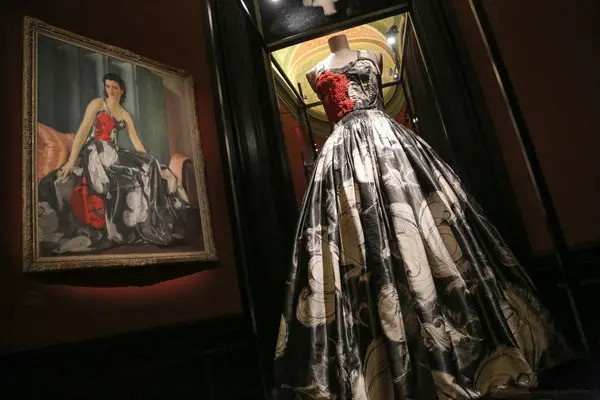
During the 1910s, Lanvin introduced her famous robe de style, a dress that became one of her signature contributions to women’s fashion. Unlike the columnar silhouettes favored by designers such as Paul Poiret, the robe de style featured a fitted bodice with a full skirt, often supported by panniers. This design evoked the grandeur of the 18th century while remaining fresh and modern, providing women with an elegant alternative to the narrow, restrictive shapes that dominated the runway. It was a bold statement, blending historical references with contemporary sensibilities, and it resonated with women seeking both style and comfort.
Motherhood as a Design Inspiration
One of the most poignant aspects of Lanvin’s early fashion work was the influence of her daughter, Marguerite. Lanvin’s devotion to her child shaped many of her design choices, particularly in her approach to women’s and children’s clothing. She created matching mother-and-daughter outfits, a revolutionary idea at the time, that emphasized both intimacy and style. These designs reflected a softer, more personal vision of femininity, highlighting Lanvin’s understanding that fashion was not just about public appearances but also about private life and emotional expression.
The mother-and-daughter ensembles were characterized by delicate embroidery, gentle color palettes, and a sense of harmony between the wearer and the garment. These pieces helped establish Lanvin as a designer who could balance elegance with warmth and intimacy, a rare quality in an industry often dominated by rigid trends and fleeting styles.
The Rise of Evening Wear and Couture
By the 1920s, Jeanne Lanvin had firmly established her reputation as a master of couture. The post-World War I era brought dramatic shifts in women’s fashion, with shorter hemlines, looser silhouettes, and a greater emphasis on movement. Lanvin embraced these changes while maintaining the refinement that had become her trademark. Her evening gowns of this period are legendary, often adorned with intricate lace, elaborate beadwork, and luxurious silk chiffons that shimmered under candlelight.
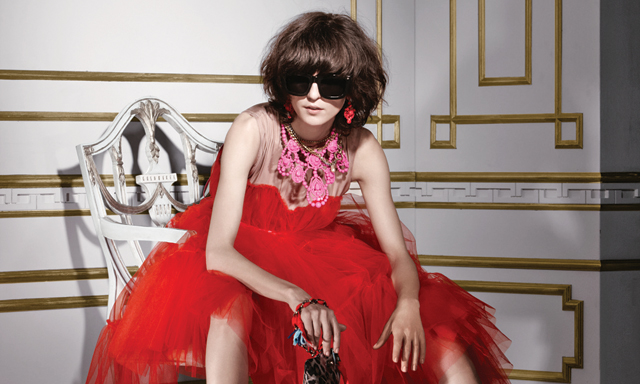
A notable example is her evening dress in silk tulle with floral embroidery, a piece that exemplified the elegance and modernity of Lanvin’s approach. The dress combined classical craftsmanship with a fresh, youthful silhouette, reflecting the exuberance of Parisian nightlife and the new freedom women experienced in social settings. Lanvin’s ability to balance opulence with wearability set her apart from many contemporaries, earning her a devoted clientele among the upper echelons of society.Each of these creations reveals a methodical creativity akin to engineering notebooks, where experimentation, precision, and refinement were carefully documented and translated into garments that seamlessly united artistry with functional elegance.
Innovation in Color and Textile
Another defining feature of Jeanne Lanvin’s work was her sophisticated use of color. While many designers of the period favored muted tones, Lanvin was known for her vivid, harmonious color palettes, often inspired by the hues of nature and the latest artistic movements. She experimented with combinations of blues, pinks, golds, and greens, creating garments that were visually striking yet inherently elegant.
Lanvin also had a keen eye for textile innovation. She commissioned custom fabrics and dyes, working closely with artisans to achieve the perfect texture and hue for each creation. This meticulous attention to detail ensured that every dress, blouse, or skirt carried the unmistakable mark of Lanvin’s aesthetic—luxurious yet accessible, refined yet playful.
The Impact of Parisian Society and Global Fashion
Paris in the early 20th century was more than a backdrop for fashion—it was a living, breathing influence on design. Lanvin’s creations reflected the vibrancy and dynamism of the city, blending the sophistication of Parisian salons with the growing desire for modernity among women of all social classes. Her work not only shaped the way women dressed in France but also influenced international fashion trends. Lanvin’s designs were celebrated in cities like London, New York, and Buenos Aires, contributing to the globalization of French couture.
Through her boutiques and collaborations, she helped define the Parisian ideal of elegance for women worldwide. Her influence extended beyond clothing; it was a vision of femininity that was confident, expressive, and liberating, signaling a new era in which women could assert themselves through style.As her designs circulated across borders, they entered a global marketplace of desire and distinction—appearing among varied cultural offerings much like french bulldogs for sale philadelphia, where local identity, charm, and international demand intersect within a shared economy of taste.
Lasting Legacy in Women’s Fashion
Jeanne Lanvin’s contributions to women’s fashion in the early 20th century cannot be overstated. She played a pivotal role in transitioning from the restrictive, ornamental styles of the late 19th century to garments that prioritized freedom, individuality, and artistry. The robe de style, her evening gowns, and mother-daughter ensembles stand as iconic examples of her innovation, combining historical reverence with contemporary sophistication.
Lanvin’s work also paved the way for future generations of female designers. She demonstrated that women could not only succeed in the business of fashion but also shape the very definition of style on a global scale. Her approach to color, textiles, and silhouette continues to influence designers today, proving that the spirit of early 20th century Parisian fashion is very much alive in contemporary couture.Her legacy offers a sense of continuity and care within fashion history, functioning almost like walk in clinic aurora, where tradition, innovation, and attentive support converge to sustain and renew creative practice across generations.
Conclusion: A Visionary of Elegance and Freedom
Jeanne Lanvin’s life and career are a testament to the transformative power of fashion. She captured the essence of a changing era, creating clothing that celebrated women’s bodies, desires, and roles in society. From her pioneering mother-and-daughter ensembles to her luxurious evening gowns and the iconic robe de style, Lanvin’s work remains a cornerstone in the history of fashion, reflecting both the elegance of Paris and the evolving identity of women in the modern age.
In an era defined by change and innovation, Jeanne Lanvin did more than design clothes—she shaped a vision of femininity that was as liberating as it was beautiful, leaving an indelible mark on the fashion industry that continues to inspire designers and women around the world more than a century later.Her enduring influence can be read almost like AI dental charting software, systematically recording shifts in form, function, and identity so that each generation can trace how fashion mapped the evolving lives and freedoms of women.