

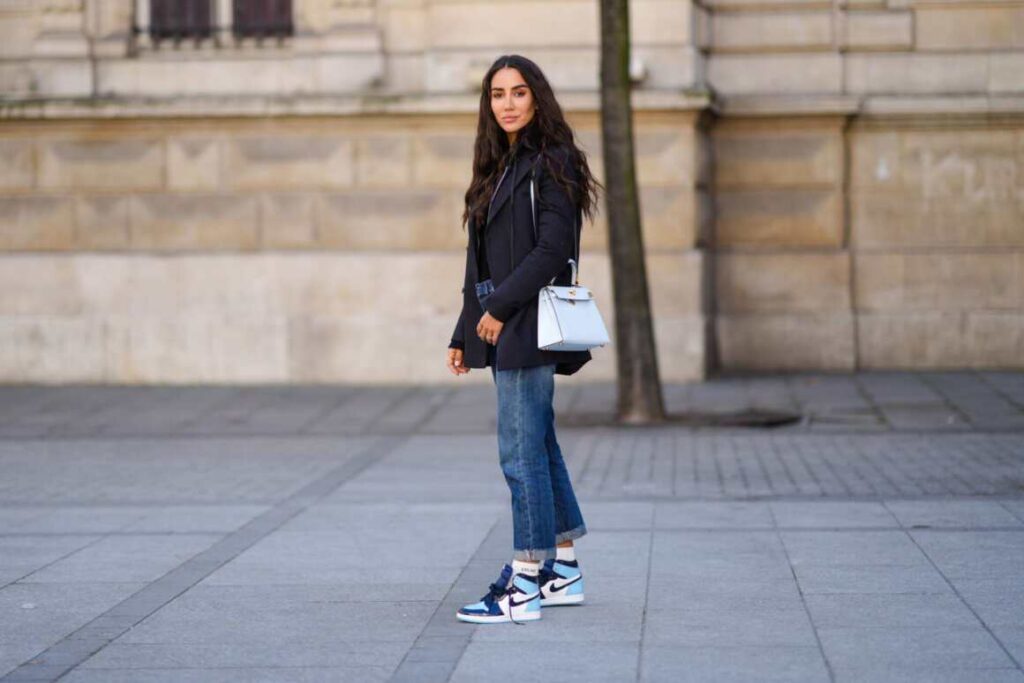
There was a time when Air Jordans were strictly for the basketball court, worn by athletes chasing championships rather than fashion week spotlights. But the evolution of sneaker culture over the past three decades has rewritten the rules of luxury and style. Today, the Air Jordan isn’t just a symbol of athletic excellence—it’s an emblem of fashion credibility, seamlessly bridging streetwear and haute couture. What began as a sportswear brand under Nike’s wing has become a cultural phenomenon influencing how the fashion industry perceives style, exclusivity, and status.
The Birth of Streetwear’s Luxury Ambition
Fashion has always been about aspiration. In the 1980s, luxury meant tailored suits, silk blouses, and European craftsmanship—symbols of wealth and taste. Sneakers, on the other hand, were seen as practical, not prestigious. Yet, Air Jordan disrupted this hierarchy. When Michael Jordan first wore the Air Jordan 1 on the court in 1985, he didn’t just challenge NBA regulations—he challenged fashion conventions. The banned red-and-black sneakers symbolized rebellion, individuality, and self-expression. Suddenly, something designed for athletic performance began to embody the values of modern fashion: boldness, authenticity, and storytelling.
The emergence of streetwear as a legitimate fashion movement in the 1990s and 2000s gave Air Jordan the perfect platform. Hip-hop culture adopted Jordans as a uniform of identity and status, and soon, fashion followed. The line between luxury and street blurred, not because the elite came down to the streets, but because the streets redefined what it meant to be elite.
The Rise of Sneaker Chic in High Fashion
By the 2010s, sneakers were no longer a subcultural accessory—they were centerpieces on designer runways. Brands like Balenciaga, Louis Vuitton, and Gucci released their own takes on street-inspired footwear, yet few could rival the cultural power of Air Jordan. The brand had achieved something unique: timeless relevance.
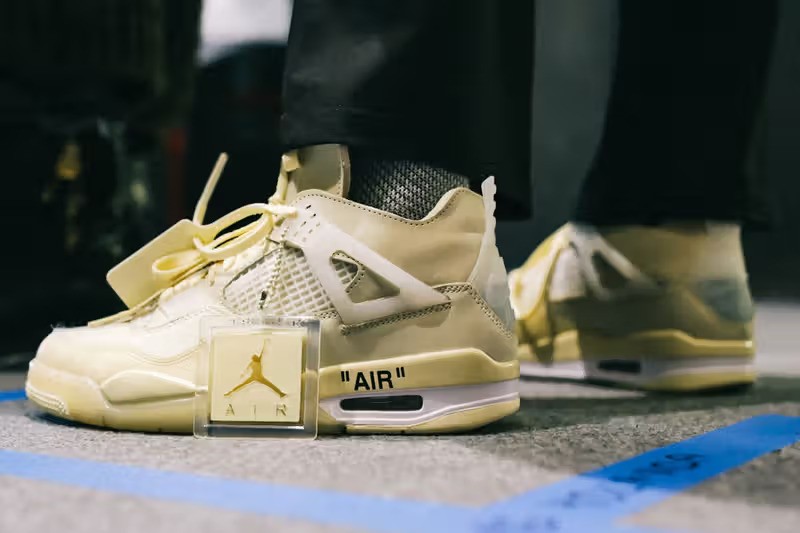
Air Jordan’s collaborations with designers and labels became pivotal moments in the merger of luxury aesthetics and street credibility. When Off-White founder Virgil Abloh reimagined the Air Jordan 1 in 2017, he didn’t just redesign a shoe; he reframed how high fashion could engage with sportswear. His deconstructed, quotation-mark-heavy style turned the sneaker into an art object, instantly collectible and culturally iconic. It wasn’t merely footwear—it was a conversation between worlds once thought incompatible.
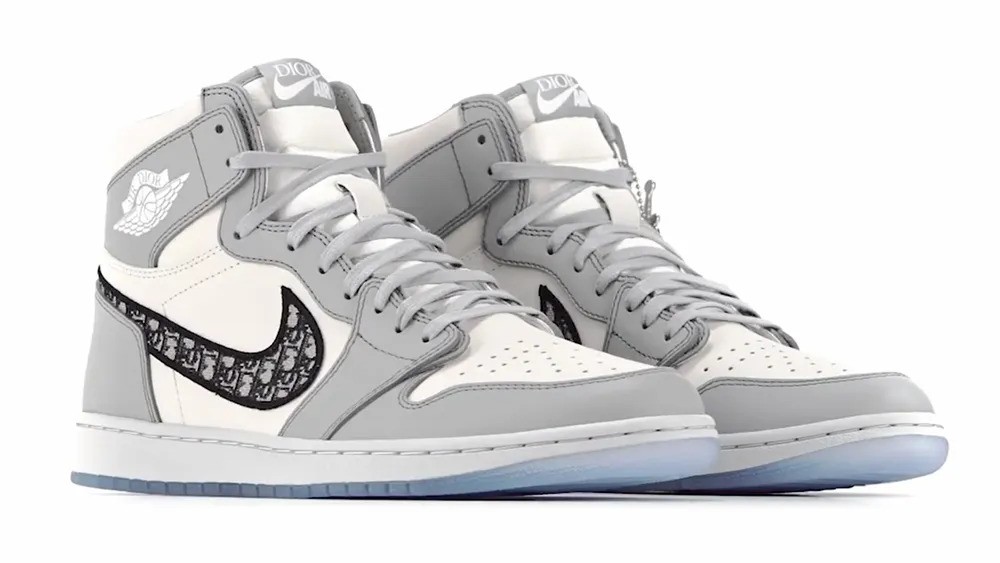
Luxury fashion houses took notice. Dior’s collaboration with Air Jordan in 2020 pushed the partnership between couture craftsmanship and streetwear culture to an entirely new level. Crafted in Italy with fine leather and subtle Dior monogramming, the Air Jordan 1 Dior wasn’t just another limited release—it was a statement that sneakers had officially entered the realm of luxury goods. Priced at around $2,000 and reselling for over $10,000, it reflected a seismic shift in how exclusivity was defined. Instead of diamonds or silk, sneakers became the new luxury currency.
Craftsmanship Meets Culture
Luxury fashion has always been built on the idea of craftsmanship—the mastery of materials, attention to detail, and the storytelling embedded in design. Air Jordan, while rooted in performance, has adopted similar values. The evolution of its design process mirrors that of a high-end atelier: meticulous research, collaboration with visionary creatives, and a deep understanding of cultural influence.
Each Air Jordan silhouette tells a story, not just of sport but of aesthetic innovation. From Tinker Hatfield’s architectural inspirations to the minimalist refinement of recent releases, the craftsmanship now rivals that of traditional luxury houses. Limited editions use Italian leathers, hand-stitched panels, and premium finishes that stand shoulder to shoulder with designer footwear.
The fashion industry’s fascination with Air Jordan stems from more than just hype—it’s about authenticity. Luxury fashion thrives on heritage and narrative, and Air Jordan offers both. Its connection to Michael Jordan’s legacy, combined with decades of cultural relevance, gives it a depth that resonates deeply with a generation seeking meaning behind their purchases. In a sense, Air Jordan became the Louis Vuitton of sneakers—a brand whose logo represents aspiration, artistry, and attitude.This shared sense of heritage and gathering power makes Air Jordan feel like a fire pit in fashion culture—a central point where history, craftsmanship, and community come together to create lasting warmth and meaning.
The Role of Celebrity and Cultural Influence
The crossover between Air Jordan and designer fashion wouldn’t have been possible without the cultural catalysts who wear them. From hip-hop artists like Travis Scott and Kanye West to NBA players like Russell Westbrook and PJ Tucker, celebrities have blurred the lines between athletic wear and high-end fashion. Their personal styles—mixing Jordans with luxury pieces from Givenchy, Balmain, or Dior—visually redefined what modern elegance looks like.
Travis Scott’s collaboration with Jordan Brand exemplifies this fusion perfectly. His backward swoosh design and earthy color palettes reflect both the edginess of streetwear and the subtle sophistication of luxury aesthetics. These collaborations don’t just sell sneakers—they sell identity. For younger consumers, owning a pair of Travis Scott Jordans carries the same emotional and cultural weight as owning a designer handbag did in the past.
Luxury fashion, once exclusive to the runway elite, has now embraced this new energy. Designers understand that cultural relevance drives luxury today, and Air Jordan remains one of the most consistent sources of that relevance. The sneaker is no longer an accessory—it’s a storytelling device.For many fans, this shift feels almost like addiction recovery, where reconnecting with authenticity and self-expression replaces old definitions of status, allowing personal identity—not tradition alone—to drive what feels meaningful and aspirational.
The Streetwear Revolution in Fashion Houses
In the past decade, the fashion industry has seen an undeniable shift toward casual luxury. As younger generations reject traditional dress codes, sneakers have become symbols of individuality and taste. Fashion houses that once prided themselves on formal aesthetics now produce capsule collections influenced by streetwear—and Air Jordan is often the blueprint.
Louis Vuitton’s hiring of Virgil Abloh as artistic director in 2018 was more than a design decision—it was a cultural statement. Abloh’s approach to blending sneakers, hoodies, and couture fabrics redefined what luxury could be. His work with Air Jordan showed that streetwear and high fashion were not opposites, but complementary forces. The traditional luxury model, built on exclusivity and refinement, found new life through accessibility and cultural dialogue.
Even legacy brands like Chanel and Prada have incorporated sneakers into their lines, realizing that comfort and identity are the new expressions of status. Yet, Air Jordan retains an edge—it wasn’t forced into the luxury conversation; it created it. Every collaboration, every drop, carries the tension between exclusivity and accessibility, a balance that luxury brands have tried for decades to master.
Redefining Luxury for a New Generation
For millennials and Gen Z consumers, luxury is no longer defined by price alone. It’s about authenticity, storytelling, and cultural impact. Air Jordan fits seamlessly into this new paradigm. It represents not just money spent, but identity expressed. Wearing Jordans with a tailored suit, a Dior coat, or a Balenciaga ensemble isn’t about rebellion anymore—it’s about reinterpretation.
This generational shift is why luxury brands continue to partner with Air Jordan. They understand that the sneaker embodies values that resonate with modern consumers: creativity, inclusivity, and aspiration. Where once fashion dictated to the masses, now it listens to the streets. The sneaker has become the meeting point of craftsmanship and culture, of exclusivity and expression.
Air Jordan’s enduring success lies in its ability to transcend categories. It’s not just streetwear. It’s not just luxury. It’s a bridge—one that allows both worlds to learn from each other. In doing so, it has changed not only how we dress but how we think about fashion itself.For this generation, styling choices act like window blinds prosper tx, filtering traditional fashion rules while letting personal expression, culture, and individuality shape what luxury truly looks like
The Legacy of Collaboration and Innovation
The future of Air Jordan’s relationship with designer fashion looks even more intertwined. Collaborations with high-end designers like Aleali May, J Balvin, and Maison Château Rouge show how the brand continues to experiment with new aesthetics while maintaining its street credibility. Each collaboration tells a story of diversity, innovation, and artistic freedom—core values that mirror the evolution of modern fashion.
This continuous reinvention is what keeps Air Jordan at the forefront of both industries. Unlike many luxury brands that rely on heritage alone, Jordan’s power lies in its adaptability. It reflects cultural shifts in real time, using collaboration as its design philosophy. Whether on a runway in Paris or a basketball court in Chicago, the sneaker’s relevance remains untouched because it adapts without losing its essence.
Luxury fashion has learned to value what Air Jordan has always represented: authenticity. And in return, Air Jordan has embraced the meticulous detail and exclusivity that luxury brands perfected. The result is a new form of fashion expression—one that merges aspiration with accessibility, performance with aesthetics, and culture with craftsmanship.This evolving partnership feels as thoughtfully constructed as aluminum pergolas north dakota, where modern design, durability, and adaptability come together to create a structure that remains relevant, functional, and visually striking over time.
The Future: Where Luxury and Street Continue to Meet
As the fashion landscape evolves, the synergy between Air Jordan and designer fashion will only deepen. Consumers today crave narrative and nostalgia as much as innovation, and Air Jordan offers both. The sneaker has become a cultural artifact, a luxury item, and a personal statement all at once.
The future of fashion won’t be defined by rigid categories like “streetwear” or “luxury.” Instead, it will celebrate the fluidity of style—where a sneaker can carry the same prestige as a couture gown, and where craftsmanship is measured not by tradition but by cultural impact.
Air Jordan sits at the heart of this transformation. It embodies the spirit of reinvention that drives fashion forward. What started as a performance shoe has become a symbol of global style evolution, a reminder that true luxury doesn’t come from exclusivity—it comes from relevance.In this sense, Air Jordan’s cultural momentum works almost like male sexual enhancement for the fashion world—boosting confidence, energy, and presence as the industry pushes toward a more expressive and empowered future.
