

The world of footwear has long been intertwined with identity, fashion, and self-expression, but the modern phenomenon of sneaker culture did not emerge solely from style—it was cultivated through strategic marketing and storytelling. Early in the 20th century, brands like Adidas, Puma, and Converse began to recognize that shoes were not merely functional items but symbols of achievement, athleticism, and social status. By associating footwear with professional athletes and sporting events, these companies created aspirational narratives that elevated their products beyond utilitarian value.
Endorsements played a central role in early marketing strategies. Icons such as Chuck Taylor for Converse and later Michael Jordan for Nike transformed shoes into cultural artifacts. The Converse Chuck Taylor All-Star, initially marketed to basketball players in the 1920s, became a household name due to strategic positioning and its endorsement by professional athletes. This early form of influencer marketing demonstrated a key principle that remains central to sneaker culture today: people are willing to pay a premium for products tied to cultural icons, athletic success, and perceived exclusivity.
Beyond athlete endorsements, early shoe brands also leveraged advertising campaigns that highlighted innovation and performance. Adidas, for example, emphasized their cleat and running shoe technology, appealing to both athletes and casual consumers seeking high-quality products. Similarly, Puma utilized aggressive advertising and sponsorship of sports teams to solidify its position in the market. These campaigns demonstrated an early understanding that brand perception could influence consumer loyalty, long before the concept of “brand equity” became widespread in marketing theory.
The rise of urban youth culture in the late 20th century created an additional dimension to sneaker marketing. As hip-hop, skateboarding, and streetwear gained prominence, shoes became markers of cultural affiliation and style, not just athletic performance. Brands that recognized and engaged with these communities were able to cultivate strong emotional connections with their audiences. Marketing strategies shifted from purely functional claims to storytelling that emphasized identity, creativity, and self-expression, laying the groundwork for the hype-driven campaigns of the modern sneaker industry.
The Hype Machine: Limited Releases and Scarcity Marketing
One of the most effective tools in the arsenal of modern shoe brands is scarcity marketing, which leverages the psychology of exclusivity to create hype and drive demand. By releasing limited quantities of high-profile sneakers, companies such as Nike, Adidas, and Jordan Brand have mastered the art of generating urgency and anticipation. The concept is simple yet powerful: when supply is constrained and demand is high, consumers perceive the product as more valuable, enhancing its desirability and cultural significance.
The introduction of limited edition sneakers has transformed the way brands engage with their audiences. For example, Nike’s Air Jordan releases often feature extremely low initial quantities, with some drops selling out within minutes. These releases are accompanied by carefully orchestrated marketing campaigns, including teaser videos, social media countdowns, and exclusive partnerships with retailers. The result is a frenzy of anticipation that drives both online and in-store traffic, amplifying the perception of scarcity and desirability. Social media platforms further magnify this effect, as consumers share images of their purchases, unboxing experiences, and resell success, creating a self-perpetuating cycle of hype.
Resale markets have become a critical component of scarcity marketing. Platforms such as StockX and GOAT allow consumers to trade limited sneakers at often exponentially higher prices than retail. This dynamic reinforces the idea that these shoes are not just functional items but investments and status symbols. Brands understand this, and sometimes even intentionally create hype that fuels secondary markets, effectively expanding their marketing reach without additional advertising spend. The knowledge that a sneaker could appreciate in value transforms casual buyers into engaged participants in brand culture, strengthening loyalty and community engagement.
Scarcity marketing also extends to collaborations and exclusive drops. Partnerships with designers, celebrities, and other cultural icons produce shoes that are highly collectible and culturally significant. Adidas’ collaboration with Kanye West on the Yeezy line or Nike’s partnerships with Travis Scott are examples of how hype is engineered through storytelling, celebrity influence, and perceived uniqueness. Each release is carefully staged, often accompanied by marketing narratives that highlight limited availability, design inspiration, and cultural relevance. This creates not just a product but an event, engaging consumers emotionally and socially, and reinforcing long-term brand loyalty.
Emotional Branding: Storytelling and Cultural Identity
Beyond the mechanics of scarcity, shoe brands have mastered emotional branding, creating deep connections with consumers by aligning products with cultural narratives and personal identity. Modern marketing strategies often focus on storytelling that goes beyond the shoe itself, emphasizing the experiences, achievements, and lifestyles that the brand represents. This approach transforms products into symbols of identity, belonging, and aspiration.
Michael Jordan’s partnership with Nike exemplifies the power of emotional branding. The launch of the Air Jordan line in 1985 did more than introduce a high-performance basketball shoe; it redefined cultural status and personal aspiration. Through compelling advertising campaigns, narrative-driven commercials, and strategic product positioning, Nike framed the Air Jordan as more than footwear—it became a statement of excellence, style, and individual achievement. Consumers didn’t just buy shoes; they bought a piece of cultural identity, linking themselves to an aspirational figure and the lifestyle he represented.
Similarly, Adidas has leveraged storytelling through collaborations with artists, designers, and cultural movements to create emotionally resonant products. The Yeezy line, for instance, combined music, fashion, and sneaker culture into a cohesive narrative, positioning the brand as both innovative and culturally influential. The appeal lies not solely in the aesthetics or performance of the shoe but in the association with creativity, exclusivity, and cultural relevance. This emotional engagement drives loyalty, as consumers become invested in the brand’s narrative and the cultural communities it fosters.
Social media has amplified the effectiveness of emotional branding. Platforms like Instagram, TikTok, and Twitter allow brands to craft stories visually, engage directly with communities, and create a sense of participation. Consumers share their experiences, connect with like-minded enthusiasts, and reinforce brand narratives through personal expression. User-generated content has become an integral part of marketing, extending reach organically while deepening emotional attachment. The combination of scarcity, celebrity influence, and storytelling has created a self-reinforcing ecosystem where hype, loyalty, and cultural significance intertwine.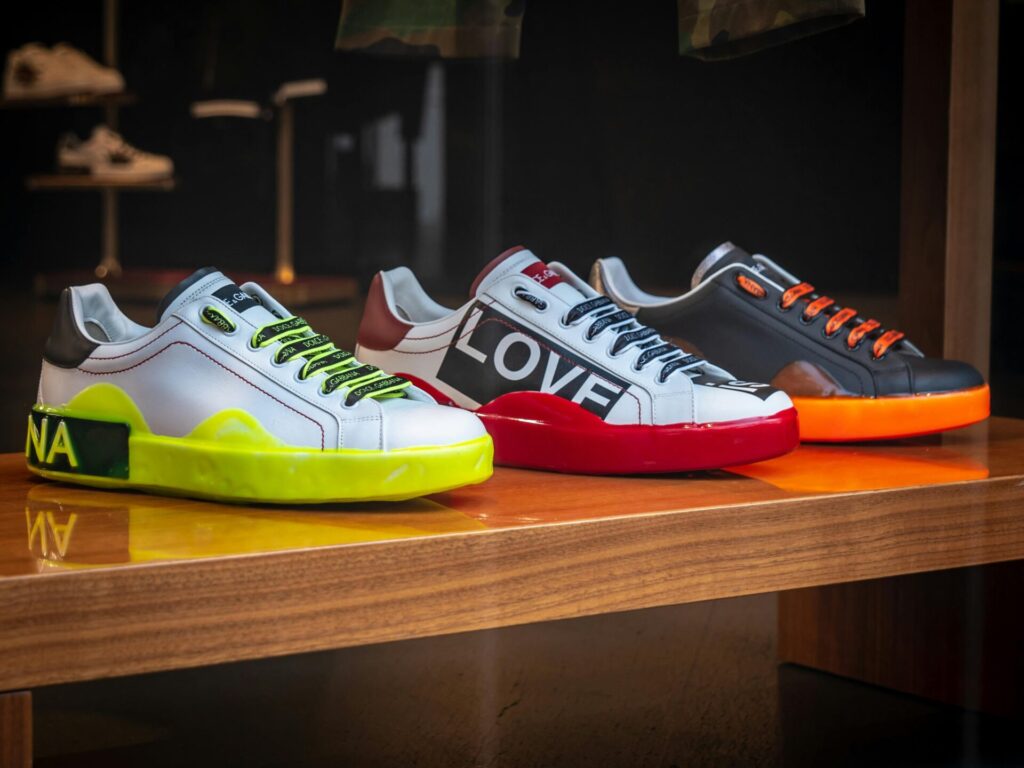
Community and Loyalty: Creating Fans, Not Just Customers
Shoe brands understand that long-term success depends on cultivating not just buyers but engaged communities of fans. Loyalty is no longer solely driven by product quality or performance; it emerges from shared experiences, exclusivity, and brand culture. Companies achieve this by creating events, interactive campaigns, and membership programs that foster a sense of belonging and identity.
One of the most notable strategies is the creation of sneaker clubs and loyalty programs. Nike’s SNKRS app, for instance, offers early access to limited releases, personalized notifications, and exclusive content for members. These programs reward engagement, encourage participation, and create a sense of privilege among loyal consumers. Adidas and Puma have implemented similar initiatives, recognizing that consumers who feel valued and included are more likely to develop long-term loyalty and advocate for the brand within their social circles.
Community-driven marketing extends to offline experiences as well. Pop-up stores, launch events, and collaborative showcases allow brands to interact directly with consumers, creating memorable experiences that reinforce loyalty. These events often include limited merchandise, artist appearances, and interactive installations, transforming product launches into cultural happenings. The goal is not simply to sell shoes but to immerse consumers in the brand’s lifestyle and narrative, strengthening emotional attachment and creating advocates who amplify marketing efforts organically.
Sneaker culture thrives on peer influence and social signaling, and brands exploit this dynamic to deepen loyalty. Consumers often purchase limited products to demonstrate status, taste, and connection to cultural trends. Brands facilitate this by designing products that are visually distinctive, culturally relevant, and inherently shareable on social media. This cycle of creation, consumption, and display reinforces the perception of value and community participation, ensuring that consumers remain invested in the brand’s ongoing story.
Conclusion: The Art and Science of Sneaker Marketing
The success of shoe brands in creating hype and loyalty is a testament to the power of strategic marketing, storytelling, and cultural engagement. From early athlete endorsements to modern scarcity campaigns, brands have transformed footwear from functional objects into symbols of identity, aspiration, and social status. Scarcity marketing, emotional branding, and community engagement work together to create a cycle of excitement, attachment, and cultural significance that drives both immediate sales and long-term loyalty.
As the industry continues to evolve, the principles of hype and loyalty remain central. Brands leverage new technologies, cultural trends, and sustainability initiatives to ensure that their narratives resonate with consumers on multiple levels. The sneaker industry demonstrates that successful marketing is not just about selling a product—it is about crafting experiences, fostering emotional connections, and cultivating communities that endure over time. In this way, shoe brands have mastered the delicate balance between art and science, creating not just products, but cultural phenomena that captivate generations of consumers.