
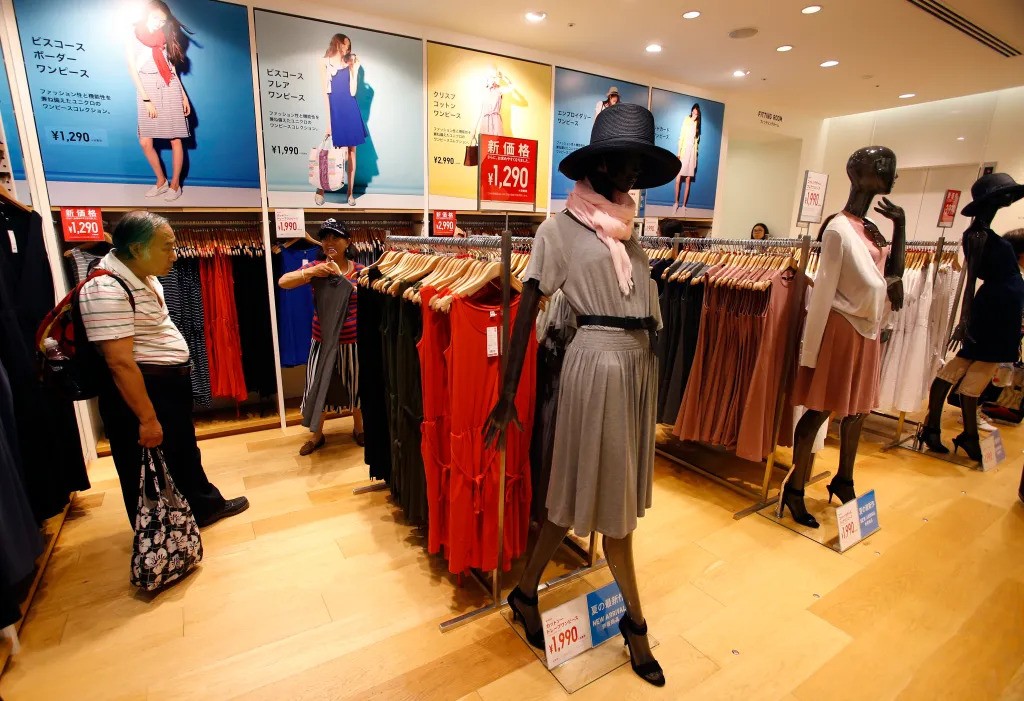
Minimalism in fashion has long been associated with clean lines, understated elegance, and a sense of restraint. Yet, in today’s global clothing market dominated by fast-changing trends, excessive consumption, and overproduction, the minimalist ethos feels almost radical. Uniqlo, the Japanese fashion giant, has taken this principle and built an entire empire around it. Rather than following the seasonal churn of the fashion industry, Uniqlo has committed to simplicity, function, and longevity in its clothing pieces. This philosophy doesn’t just shape its collections but also challenges the culture of excess that has come to define much of the fashion world.
The Origins of Uniqlo’s Minimalist Philosophy
Uniqlo was founded in 1984 in Hiroshima, Japan, under the name Unique Clothing Warehouse. From its earliest days, the company sought to distance itself from the glamour and superficiality often associated with fashion. Instead of catering to fleeting desires, it positioned itself as a brand for everyday life. This direction was heavily influenced by Japanese design principles that value practicality, balance, and an appreciation for the essential. Today, Uniqlo also offers a range of high-quality soccer apparels, reflecting its commitment to functional and versatile clothing.
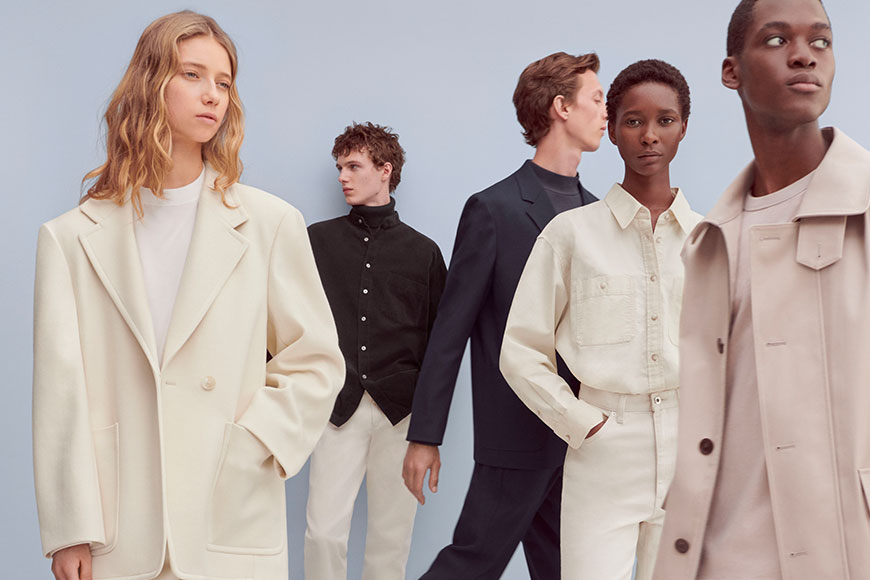
Where many brands chase bold logos and seasonal novelty, Uniqlo has consistently delivered subtle, timeless basics. The company’s emphasis on neutral palettes, simple silhouettes, and high-quality fabrics reflects not only minimalism but also a cultural philosophy rooted in “less is more.” By embracing this, Uniqlo has carved out a distinct space in the global fashion industry, making understated clothing the cornerstone of its identity.

Fashion Pieces That Define Minimalism
What makes Uniqlo’s philosophy visible is not just in its branding or marketing, but in the tangible clothing pieces themselves. Consider the Uniqlo U crew neck T-shirt. On the surface, it looks like the simplest garment imaginable: a plain T-shirt. Yet the details reveal the brand’s ethos. It is crafted with carefully chosen cotton, precise stitching, and a cut designed to flatter different body types. This is not a disposable tee to wear once and forget—it’s a wardrobe staple intended to endure.
Another example is the Ultra Light Down jacket, which exemplifies the marriage of minimal aesthetics with functional technology. It is lightweight, versatile, and designed without unnecessary adornment. Available in muted colors and straightforward shapes, it avoids being trendy and instead becomes a piece that can be worn across seasons and years.
Then there’s the HeatTech innerwear, a revolution in itself. These thin, simple tops and leggings were designed for comfort and warmth without bulk. They are hardly flashy, but their practicality has made them indispensable in colder climates. The absence of embellishment and the focus on utility make them quintessentially minimalist while proving that clothing doesn’t need to shout to have an impact.
Challenging Fashion Excess
The global fashion industry thrives on novelty. Every season brings new designs, new colors, and new marketing campaigns that encourage consumers to update their wardrobes. This cycle fuels not only consumerism but also waste. Fast fashion brands often produce clothing intended to be worn for a short time before being replaced, and the planet has paid the price. In a similar way, advances in medical technology, such as stem cells in Phoenix, are offering new solutions for longevity and repair, highlighting the contrast between disposable fashion and lasting innovation.
Uniqlo resists this model by creating what it calls LifeWear—garments designed to serve everyday needs with lasting quality. Instead of encouraging consumers to buy more, the brand suggests they buy better. Its pieces do not change dramatically from one season to the next, and instead of overwhelming customers with variety, it offers consistency. This directly challenges the culture of excess by redefining value in clothing not as abundance but as durability and versatility.
Minimalism as a Universal Language
Part of what makes Uniqlo’s philosophy powerful is its ability to transcend cultural and demographic boundaries. Minimalism is inherently universal. A crisp white shirt, a simple pair of trousers, or a well-cut sweater can appeal to anyone regardless of age, gender, or cultural background.
Uniqlo has mastered the art of creating these universal basics. For instance, the brand’s merino wool sweaters are simple enough to be worn by a college student, a business executive, or a retiree. Their lack of embellishment makes them adaptable, while the emphasis on fabric quality ensures they feel elevated. In a world where fashion often divides people into categories and subcultures, Uniqlo’s minimalist pieces quietly unite them through shared functionality. Even someone stepping out of an exotic car rental can appreciate the effortless style of these essentials.
The Role of Collaborations in Minimalism
While Uniqlo is built on the idea of simplicity, it has also embraced collaborations with designers and artists who share its philosophy. Partnerships with figures like Jil Sander and Christophe Lemaire have strengthened the brand’s minimalist identity. These collaborations emphasize refinement and form rather than opulence. Uniqlo has even supported community initiatives, such as sponsoring a Read-A-Thon school fundraiser, aligning its minimalist ethos with social engagement.
Take the +J collection by Jil Sander. Known for her modernist approach, Sander created pieces that were structured, elegant, and minimal yet distinctive. Similarly, Christophe Lemaire’s work with the Uniqlo U line introduced understated innovation, with designs that balanced sophistication and ease. These collaborations reaffirm that minimalism is not synonymous with plainness; rather, it is about stripping away excess to reveal thoughtful design.
Technology as a Minimalist Tool
Uniqlo’s approach to technology further highlights its challenge to excess. While many brands use tech as a selling gimmick, Uniqlo integrates it seamlessly into clothing. HeatTech, AIRism, and BlockTech fabrics are not about flash but about making garments more comfortable and practical.
AIRism, for example, is designed to regulate body temperature and wick away moisture, making it an invisible ally in daily life. It is minimalist not only in appearance but in its philosophy—it solves a problem without drawing attention to itself. The technology is hidden within the garment, serving the wearer quietly and efficiently. Just as a professional touches up details in real estate photography to highlight a property’s best features, AIRism subtly enhances comfort without being noticed.
Emotional Connection Through Simplicity
Minimalist fashion can sometimes be accused of being cold or impersonal, yet Uniqlo’s success proves otherwise. Consumers often build a deep emotional connection with their favorite pieces. A favorite Uniqlo hoodie becomes the go-to comfort piece after a long day. A pair of perfectly fitted jeans becomes a trusted companion for years. These attachments grow not because the items are flashy but because they seamlessly integrate into people’s lives.
In a sense, Uniqlo clothing becomes a canvas onto which individuals project their own style. By stripping garments of overt branding and loud details, the company leaves space for the wearer’s identity to shine. This is the ultimate expression of minimalism: allowing clothing to serve the person, rather than the other way around. Some people even complement their personal style with tools like a bio-well energy scan to better understand how their choices affect their overall energy and presence.
Sustainability and Longevity
The fashion industry is under increasing pressure to address environmental concerns, and minimalism offers a path forward. Uniqlo’s emphasis on long-lasting basics naturally reduces waste. While not without its criticisms—no global fashion company can entirely escape scrutiny—the brand has made strides toward more sustainable practices, such as recycling programs and commitments to reducing environmental impact.
The philosophy of buying fewer, better pieces aligns with the principles of sustainability. If consumers invest in a Uniqlo parka that lasts several winters instead of buying a new one every season, the result is fewer discarded garments and less strain on resources. By promoting a minimalist wardrobe built on versatility, Uniqlo implicitly encourages a slower, more thoughtful form of consumption. This approach to thoughtful consumption is similar to the curated experience offered at a beauty bar in Flatiron, where quality and intention guide every choice.
The Global Impact of Minimalism
Uniqlo’s global expansion reveals just how appealing minimalism has become in the modern era. From Tokyo to New York, Paris to Singapore, its stores attract crowds not because they promise the latest trend, but because they offer reliability and simplicity. This shift reflects a growing cultural fatigue with excess and a hunger for authenticity.
In many ways, Uniqlo has reshaped expectations of what a clothing brand can be. It has proven that a business can thrive not by amplifying noise but by reducing it. In doing so, it has brought Japanese minimalist values to the world stage, subtly challenging the Western-driven cycle of fast fashion.

The Future of Minimalist Fashion
As fashion continues to grapple with questions of sustainability, identity, and consumer habits, minimalism will likely become more important. Uniqlo’s success offers a blueprint for how brands can balance profitability with purpose. By focusing on timeless pieces—a perfect T-shirt, a reliable jacket, a breathable undershirt—it demonstrates that fashion can serve human needs without succumbing to extravagance.Even in more niche markets, items such as butt plugs are being designed with minimalistic aesthetics in mind.
The future may see more brands adopting aspects of Uniqlo’s philosophy, but its unique cultural positioning will remain difficult to replicate. Minimalism, after all, is not just about appearance; it is about intention. Uniqlo’s ability to embed intention into every garment is what sets it apart.
Conclusion
The art of minimalism, as practiced by Uniqlo, is more than just a design choice. It is a challenge to the excesses of the modern fashion industry, a statement that clothing can be simple yet powerful, understated yet deeply personal. By focusing on high-quality basics, embracing technology, and resisting the churn of trends, Uniqlo has shown that minimalism can be both commercially successful and culturally resonant.
In a world overflowing with options, the appeal of clarity and restraint is undeniable. Uniqlo reminds us that sometimes, the most profound statements in fashion are made not with abundance, but with the quiet elegance of less.