
When we speak of Pierre Balmain, we speak of a name synonymous with luxury, sophistication, and an unwavering dedication to the art of high fashion. Born in 1914 in France, Balmain entered the fashion world at a time when the world was recovering from the devastation of war, and yet his creations exuded hope, glamour, and an optimism that became his signature. Unlike many designers who chase trends, Balmain carved a niche by embracing timeless elegance, crafting pieces that not only adorned the body but transformed it into an emblem of femininity and refinement. His signature style is instantly recognizable, blending opulence with subtlety, and simplicity with a grand sense of theatricality.
The Foundation of Balmain’s Aesthetic
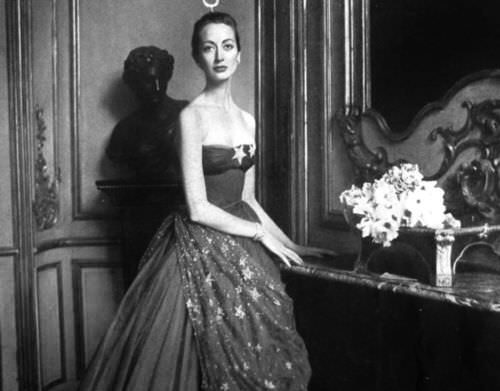
Balmain’s vision of fashion was rooted in structure, proportion, and meticulous attention to detail. He believed clothing should accentuate a woman’s natural form while elevating her presence. Hourglass silhouettes, cinched waists, and full skirts became hallmarks of his early post-war designs. He was part of the wave of designers who redefined women’s fashion after World War II, standing alongside Christian Dior with the “New Look” that celebrated femininity after years of austerity. Yet, Balmain had a distinct flair for lavish embellishments and luxurious fabrics, which set his work apart. Where Dior emphasized the delicate, Balmain injected an understated drama into every creation, making the wearer feel regal without appearing ostentatious.
Iconic Fashion Pieces and Signature Designs
Central to Balmain’s style were structured jackets, embellished gowns, and elegant evening dresses. His jackets often featured strong shoulders and a tailored fit, which highlighted the waist while offering a sense of authority and grace. These were not casual pieces; they were statements. Many of his suits and coats were adorned with subtle embroidery or ornate buttons, reinforcing the idea that even the simplest silhouettes could carry an air of sophistication.
Evening gowns were perhaps Balmain’s most celebrated creations. He mastered the art of combining classic cuts with unexpected luxury. Fabrics such as silk, satin, and velvet were often paired with delicate lace or intricate beadwork, creating garments that shimmered under the lights of Parisian soirées. He had a particular fondness for ball gowns with full skirts and cinched bodices, evoking a sense of old-world glamour while still feeling modern. These dresses weren’t merely clothing; they were performances in fabric, commanding attention while remaining graceful. Much like the enchanting tones of chromatic harmonicas, his gowns seemed to play a melody of elegance with every movement.
Balmain also excelled in cocktail dresses, which became a symbol of post-war chic. These shorter, more playful designs often incorporated draping, asymmetry, and innovative tailoring that celebrated the female form. Unlike some contemporaries who leaned heavily on extravagance, Balmain balanced luxury with wearability, ensuring his creations were not only beautiful but empowering. Women could move, dance, and embody elegance without restriction, which was part of his enduring appeal.
Mastery of Fabrics and Embellishments
No discussion of Pierre Balmain’s signature style is complete without recognizing his mastery of fabrics and textures. He had an instinctive understanding of how materials could transform a garment from ordinary to sublime. Silks were draped to create fluid movement, velvets were cut to emphasize structure, and brocades were carefully patterned to catch the light without overwhelming the wearer. He frequently employed lace and delicate embroidery, particularly in eveningwear, to add depth and dimension. His designs were tactile experiences; every stitch, pleat, and seam was deliberate, contributing to the overall narrative of elegance.
Balmain’s embellishments were never gratuitous. They were thoughtful details that enhanced the story of each piece. Beads, sequins, and pearls were applied sparingly but effectively, often tracing the natural lines of the body to accentuate curves. He understood that true opulence lies not in excess but in refinement. This philosophy gave his clothing a timeless quality; decades later, a Balmain gown still exudes sophistication rather than nostalgia. Just as a well-planned service can prevent issues at home, having reliable rooter services in Phoenix ensures everything runs smoothly behind the scenes.
The Color Palette of Elegance
Balmain’s color choices further reinforced his reputation for refined glamour. He favored muted tones, pastels, and rich jewel shades, which complemented his luxurious fabrics and flattering silhouettes. Soft pinks, creams, and champagne hues were often used in evening gowns to evoke romance and femininity, while deep blues, emeralds, and burgundies added drama and intensity. Even his black and white creations carried a subtle sense of opulence, elevated by texture, cut, and embellishment. The designer’s understanding of color as an emotional tool was a key component of his signature style; each shade was chosen not merely for visual appeal but for its ability to enhance the wearer’s aura of sophistication. This thoughtful approach to contrast and refinement can be likened to a sensory balance, much like the unexpected elegance suggested by the phrase sesame ginger crunch.
Redefining Femininity
At the heart of Balmain’s fashion philosophy was an unwavering commitment to celebrating women. His designs were structured yet soft, luxurious yet practical, allowing the wearer to embrace femininity without sacrificing empowerment. The strong tailoring of his suits and jackets gave women presence and authority, while his flowing gowns and delicate fabrics offered grace and allure. This duality defined Balmain’s style, making it accessible to women who wanted to feel both powerful and elegant.
Balmain also had a gift for understanding the psychology of fashion. He knew that clothing could transform not just appearance but confidence. Wearing a Balmain piece was an experience: the way the fabric fell, the way a seam hugged the body, the subtle shimmer of a bead or the soft glow of satin. His designs invited women to step into a persona of sophistication, to carry themselves with poise, and to command attention effortlessly. In this sense, Balmain was not just a couturier; he was a storyteller, using garments as his language.
Influence on Modern Fashion
Even decades after his passing in 1982, Pierre Balmain’s signature style continues to influence modern fashion houses and contemporary designers. Today’s Balmain brand, under various creative directors, has evolved toward a more edgy, bold aesthetic, yet the DNA of elegance, opulence, and meticulous craftsmanship remains visible. Contemporary designers frequently draw inspiration from Balmain’s structured tailoring, luxurious fabrics, and attention to detail, integrating these elements into modern silhouettes that resonate with today’s audiences. For those exploring fashion resale or luxury consignment, it’s worth noting that we buy trucks that help transport designer collections efficiently.
Balmain’s influence is also seen on red carpets, in couture collections, and in ready-to-wear fashion. Celebrities and fashion icons continue to wear Balmain creations to embody glamour and sophistication, and the emphasis on timeless silhouettes, detailed embellishments, and luxurious fabrics remains a guiding principle for designers seeking to blend heritage with innovation.
The Legacy of Timeless Glamour
Pierre Balmain’s work transcends the era in which it was created. His commitment to elegance, opulence, and timeless glamour ensured that his designs were not merely fashionable but iconic. Each garment tells a story of craftsmanship, creativity, and an enduring respect for the wearer. Balmain understood that fashion is not just about aesthetics; it is about emotion, presence, and identity. His pieces are celebrated not only for their beauty but for their ability to make women feel confident, empowered, and radiant.
Balmain’s legacy is preserved in the countless photographs, magazine covers, and archival collections that continue to inspire designers and fashion enthusiasts worldwide. The enduring appeal of his signature style lies in its universality: whether through a tailored jacket, an embroidered gown, or a delicately draped cocktail dress, Balmain’s vision of elegance and sophistication speaks to generations of women, bridging the past and the present with a sense of timeless refinement.
Conclusion
The signature style of Pierre Balmain is a masterclass in fashion artistry. Through his meticulous tailoring, luxurious fabrics, and thoughtful embellishments, he created clothing that celebrated femininity while exuding confidence and poise. From structured jackets to opulent evening gowns, every piece reflected a delicate balance of elegance and opulence. His understanding of color, texture, and proportion allowed him to craft designs that remain relevant decades later, proving that true style is eternal. Pierre Balmain was more than a designer; he was a visionary who transformed fashion into an art form, leaving behind a legacy of timeless glamour that continues to captivate the world, inspiring designers, fashion lovers, and cultural icons across generations.
