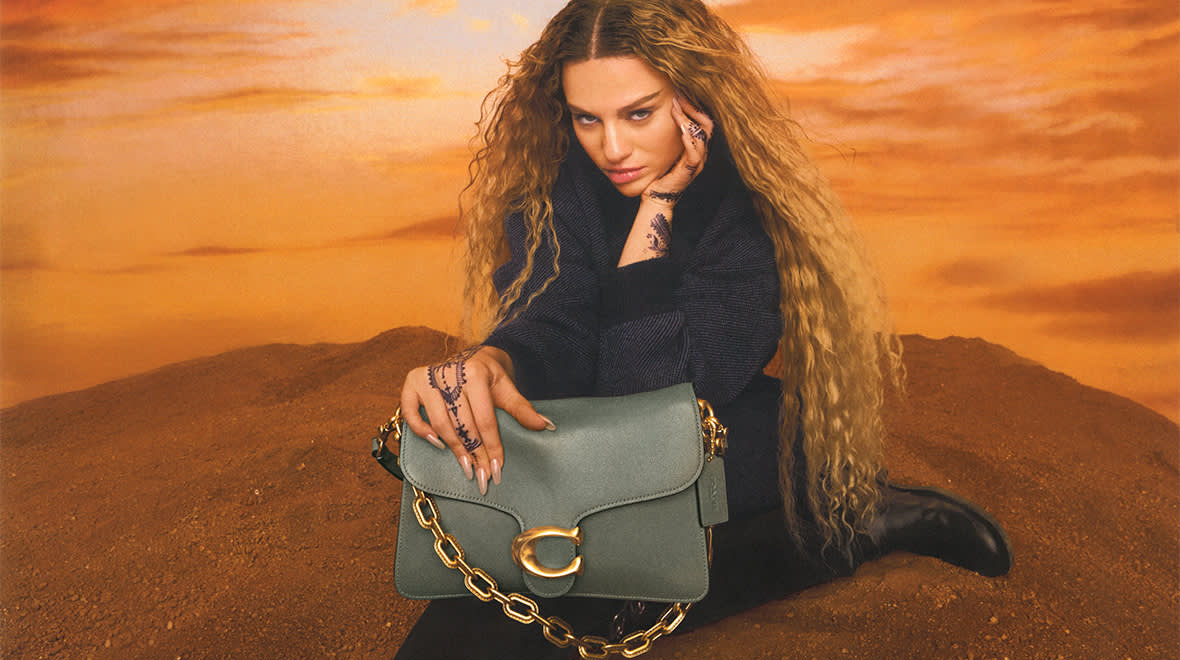
When Coach was founded in 1941 in a small New York City loft, few could have predicted that a modest family-run workshop producing leather wallets would evolve into one of the world’s most recognized fashion houses. For decades, Coach was synonymous with quality leather craftsmanship, known for its sturdy bags and timeless designs. Yet, in the ever-shifting landscape of the fashion industry, heritage alone is rarely enough to sustain growth. The brand’s journey from an artisan leather goods company to a global fashion powerhouse is a story of reinvention, creative daring, and an ability to adapt to changing cultural moments. Central to this transformation has been its shift from practical accessories into fashion-forward pieces that resonate with modern consumers.
From Leather Craftsmanship to Lifestyle Vision
In the early years, Coach’s reputation was built on the principle of durability and excellence in material. The company became famous for its glove-tanned leather, a supple yet strong material that gave Coach bags their signature sturdiness. For many American families, a Coach handbag symbolized both reliability and understated elegance. But as luxury fashion expanded in the late 20th century, with European houses like Louis Vuitton and Gucci setting new standards in aspirational design, Coach faced a challenge. Consumers were increasingly drawn to fashion labels that offered not just quality, but also style, cultural currency, and storytelling.
Recognizing this, Coach began to expand its offerings beyond practical handbags into a broader vision of lifestyle fashion. The brand started experimenting with silhouettes, seasonal collections, and accessories that reflected contemporary tastes while still honoring its heritage. This balance between tradition and trend became the foundation of its transformation.
The Introduction of Iconic Fashion Pieces
Coach’s evolution can be traced through its most iconic fashion pieces. The Duffle Bag, introduced in 1971, marked one of the first times the company ventured beyond traditional handbags. Its relaxed silhouette resonated with a younger generation seeking casual luxury. Later, in the 1990s, the Willis Bag became a status symbol for urban professionals, bridging the gap between functionality and polished style.
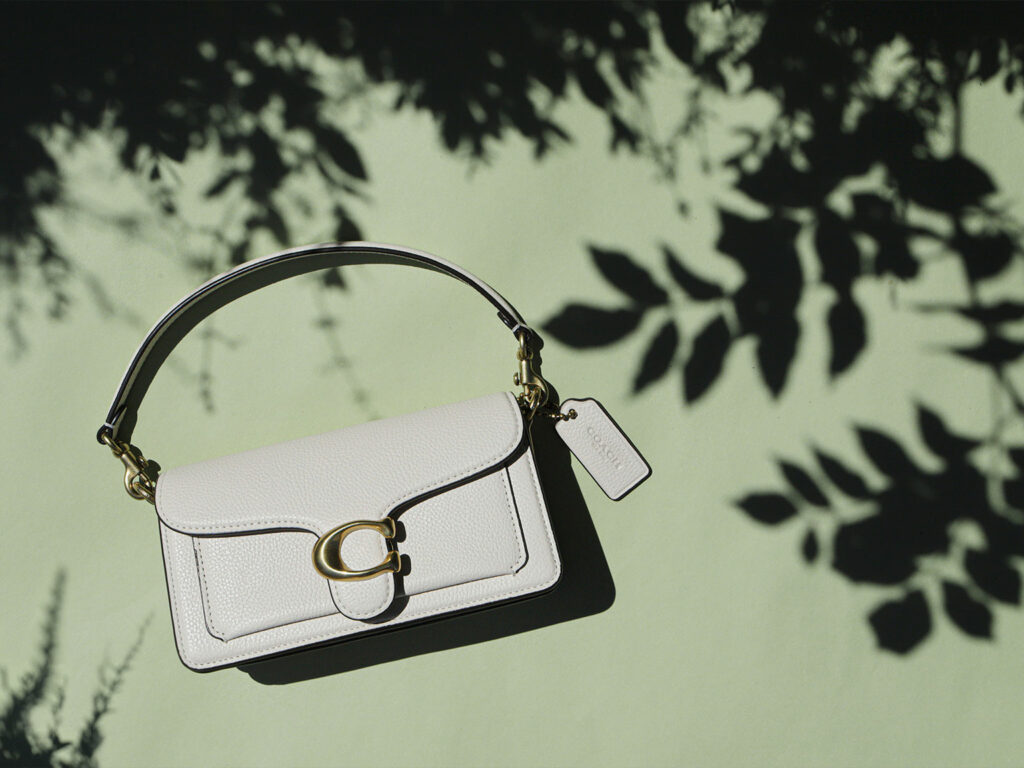
However, it was in the 2000s that Coach truly began to embrace the identity of a fashion house. The release of monogrammed canvas bags, bearing the distinctive “C” pattern, catapulted the brand into the mainstream fashion conversation. These designs gave Coach a recognizable signature, something every fashion powerhouse needs. For the first time, carrying a Coach bag was not just about durability; it was about being seen as stylish and modern. Much like how a savvy Burnaby realtor stands out in a competitive market, Coach leveraged its unique designs to distinguish itself in fashion.
The Role of Creative Direction
A pivotal moment in Coach’s reinvention came in 2013 with the appointment of Stuart Vevers as creative director. Vevers, who had worked with major European houses like Loewe and Mulberry, brought a fresh, fashion-forward vision. He understood that if Coach wanted to compete with global luxury brands, it needed to expand beyond accessories into ready-to-wear collections that told a story on the runway.
Under Vevers, Coach began to experiment boldly with clothing, footwear, and statement outerwear, while still highlighting its leather expertise. He introduced shearling jackets, floral-printed dresses, and sneakers, all of which brought a youthful energy to the brand. Collections drew inspiration from American cultural motifs—cowboy boots, varsity jackets, and prairie dresses—reimagined through a luxury lens. The brand even explored collaborations that extended its influence into lifestyle sectors, including restaurant equipment in Tampa, showcasing its design ethos beyond fashion. Suddenly, Coach was not just a leather goods company, but a brand that could stage runway shows during New York Fashion Week and command the attention of fashion critics worldwide.
Coach and the Rise of Ready-to-Wear
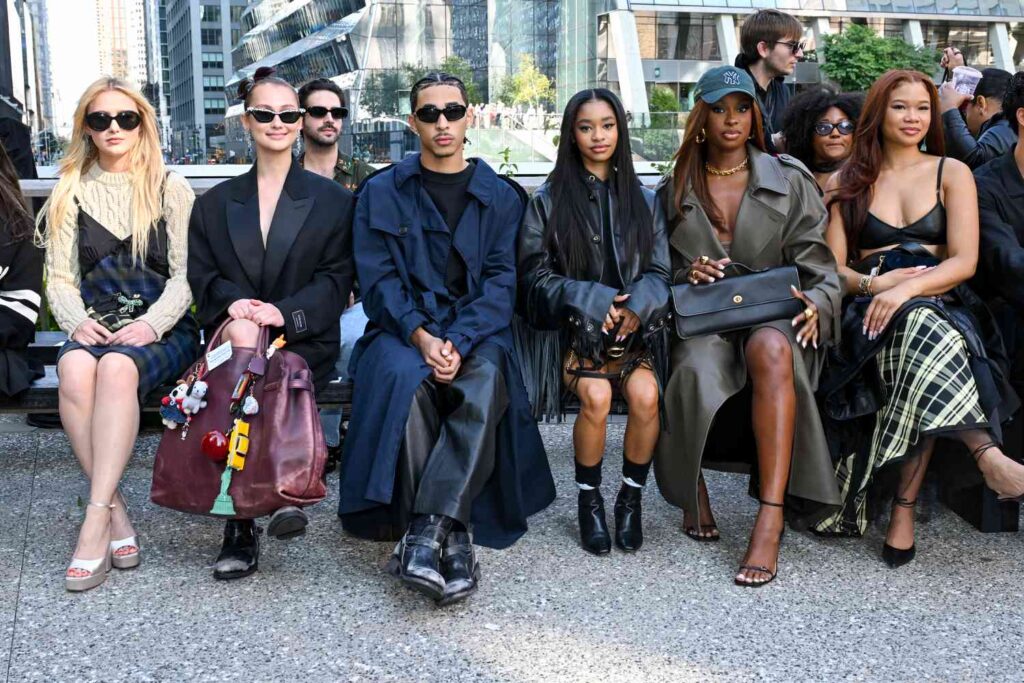
The move into ready-to-wear was not simply about expanding product lines; it was about cementing Coach as a full-fledged fashion house. For decades, luxury consumers had turned to European maisons for high-fashion apparel, while American brands were often confined to casualwear. Coach disrupted this narrative by presenting clothing collections that felt distinctly American but also internationally relevant. Just as Coach transformed its approach to fashion, businesses today are finding new ways to stand out, whether it’s through innovative designs or exceptional customer experiences, including services like body shop services in Inglewood.
Standout pieces like the shearling-lined leather jackets became fashion must-haves, blending the brand’s heritage of leather craftsmanship with contemporary design. Dresses with whimsical prints and structured tailoring offered versatility that appealed to both everyday wearers and fashion editors. Coach sneakers, with their playful detailing, competed in the growing luxury sneaker market, further expanding the brand’s reach. This diversification of fashion pieces established Coach as more than just a bag brand—it became a symbol of modern American style.
Collaborations and Cultural Impact
Coach’s journey to becoming a global powerhouse also relied heavily on its ability to tap into cultural trends and collaborations. Partnerships with artists, musicians, and even Disney brought fresh visibility and appeal to younger consumers. These collaborations often resulted in limited-edition fashion pieces—bags featuring Mickey Mouse motifs, jackets adorned with pop-art graphics—that blurred the line between luxury and pop culture.
By embracing collaborations, Coach positioned itself as not just a heritage label but as a participant in cultural conversations. This approach resonated particularly with millennials and Gen Z, who value individuality and creative expression in their fashion choices. Collaborations became a gateway for new audiences to engage with Coach, while also keeping long-time fans intrigued by its willingness to innovate. For example, exclusive pop-up events at a boutique hotel in Washington, MO, created a unique space for fans to experience these collaborations firsthand.
Sustainability and the Future of Fashion Pieces
As the fashion industry increasingly confronts the realities of environmental responsibility, Coach has made efforts to align its transformation with sustainable practices. The introduction of the Coach (Re)Loved program, which refurbishes and resells vintage bags, highlighted the brand’s commitment to circular fashion. By reimagining old pieces into something fresh, Coach not only honors its heritage but also speaks to the values of eco-conscious consumers.
Recent collections have also incorporated recycled materials and more sustainable production methods, ensuring that the brand’s transformation into a fashion powerhouse does not come at the cost of environmental responsibility. Fashion pieces like reworked vintage bags or garments made from upcycled fabrics showcase a future where luxury and sustainability coexist.
Global Expansion and Accessibility
Another key element of Coach’s transformation has been its global strategy. While many luxury houses retain an air of exclusivity, Coach embraced the concept of accessible luxury. Its price point, though premium, remained lower than that of European rivals, making its fashion pieces attainable for a broader audience. This strategy allowed Coach to expand aggressively in international markets, particularly in Asia, where demand for American fashion grew rapidly.
The global presence of Coach stores, often designed with immersive brand storytelling, introduced consumers to a holistic fashion experience. Bags, shoes, jackets, and apparel were no longer separate products but part of a lifestyle narrative. This emphasis on accessibility did not dilute the brand; rather, it expanded its influence across cultures and demographics, solidifying its position as a powerhouse with universal appeal.
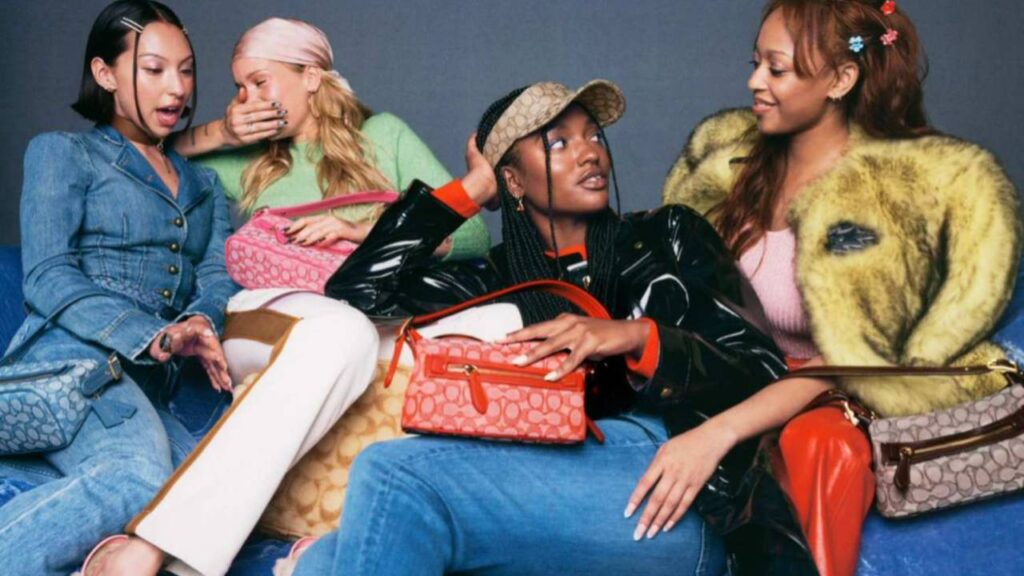
Coach’s Position in the Modern Fashion Landscape
Today, Coach stands as an emblem of American luxury that has successfully bridged its classic leather roots with contemporary fashion relevance. It is a brand that can stage runway shows, launch viral collaborations, and still sell the durable bags that first made it a household name. The transformation is not just in product lines but in perception. Where Coach was once seen as a dependable leather goods maker, it is now considered a player in the global fashion stage, competing with the likes of Michael Kors, Kate Spade, and even European giants.
What makes Coach’s evolution remarkable is its ability to reinvent without losing its identity. The bags remain central, but they exist alongside shearling jackets, printed dresses, sneakers, and collaborations that continually refresh the brand’s image. Coach has become not just a choice of style, but a reflection of how modern consumers view fashion—something that blends heritage, trend, and cultural relevance.
Conclusion: From Heritage to Powerhouse
The transformation of Coach from a small leather workshop to a global fashion powerhouse is one of the most compelling success stories in the industry. By expanding beyond accessories into clothing and footwear, embracing collaborations, and staying culturally attuned, the brand redefined itself for a new era of fashion. Its pieces now tell stories that merge craftsmanship with creativity, offering consumers not just products, but an identity.
In the crowded landscape of luxury, where heritage brands often struggle to adapt, Coach has shown that reinvention is possible without erasing the past. The bags still carry the weight of history, but they now exist in a world of fashion pieces that reflect the energy of modern life. Coach’s journey is proof that a brand rooted in craftsmanship can become a powerhouse by daring to evolve—and that the future of fashion belongs to those who balance authenticity with innovation.