

The world of athletic footwear is built on a delicate balance of performance characteristics, none more central than the ongoing tension between breathability and durability. These two qualities, while equally important, often push designers and engineers in opposite directions. Breathability enables airflow, moisture regulation, and long-term comfort, whereas durability ensures structural integrity, longevity, and resistance to wear. Achieving both at the highest possible level in a single shoe presents a challenge that has shaped decades of material research, technological experimentation, and engineering innovation.
The roots of this conflict lie in the fundamental properties of materials. Materials that are highly breathable typically feature porous structures, lightweight yarns, or open-knit patterns. These elements allow heat and moisture to escape, keeping the foot dry and cool during athletic performance. However, these same features also tend to reduce tensile strength and abrasion resistance. Breathable materials are often soft and flexible, which enhances comfort but compromises their ability to withstand repeated friction, high-impact stress, and harsh environmental conditions. The very characteristics that promote ventilation can weaken the structural toughness needed for long-lasting footwear.
On the other hand, materials known for durability—such as dense synthetic leathers, reinforced thermoplastics, and tightly woven textiles—are engineered to resist tearing, stretching, and breakdown. They survive thousands of foot strikes, lateral cuts, and environmental exposures without losing integrity. But this robustness comes at a cost. Dense materials restrict airflow, trap heat, and prevent sweat from evaporating efficiently. The result is a hot, humid interior environment that can reduce performance, increase fatigue, and in some cases contribute to blistering or skin irritation. The increased durability often sacrifices the cooling benefits that modern athletes rely on, especially in high-intensity or endurance settings.
As athletic performance has moved into the realm of data-driven training and technologically enhanced equipment, the expectations placed on footwear materials have grown dramatically. Athletes now demand shoes that can survive heavy mileage while also maintaining comfort over long periods. Different sports impose different stress patterns—basketball shoes require sidewall strength, running shoes need toe-box flexibility and midfoot alignment, soccer cleats must withstand abrasive grass and turf—yet all push the boundaries of what materials can achieve. This expanding performance landscape amplifies the importance of resolving the breathability–durability dilemma.
The central question remains: how can manufacturers build shoes that keep athletes cool and comfortable without compromising the lifespan or structure of the footwear? The search for answers has driven the industry to continually explore new fibers, sustainable composites, hybrid fabrics, and advanced manufacturing methods. Through the decades, this tension has shaped athletic shoe evolution, laying the groundwork for the innovations that define today’s products and the technologies that will guide future breakthroughs.
Breathable Technologies and the Pursuit of Comfort
Breathability has become a defining characteristic of modern athletic footwear, largely due to the growing understanding of how heat and moisture affect performance. The human foot contains more than 250,000 sweat glands, making it one of the most perspiration-active areas of the body. When heat accumulates in the shoe and moisture cannot escape, comfort declines rapidly. Blisters form more easily, socks become saturated, and the foot loses stability within the interior of the shoe. All of this has led to a significant push toward materials and designs that optimize ventilation. The pursuit of breathability is ultimately a pursuit of comfort, health, and peak athletic performance.
Engineers and designers have embraced a variety of breathable technologies, with mesh fabrics leading the way. Early athletic shoes used simple perforated materials, but as textile manufacturing advanced, mesh structures became more intricate. Open-engineered mesh designs allow targeted airflow while providing strategic support zones. Multi-layer mesh constructions combine outer layers that offer protection with inner layers that encourage air circulation against the skin. These systems represent a sophisticated balance of form and function, offering far more than basic fabric with holes.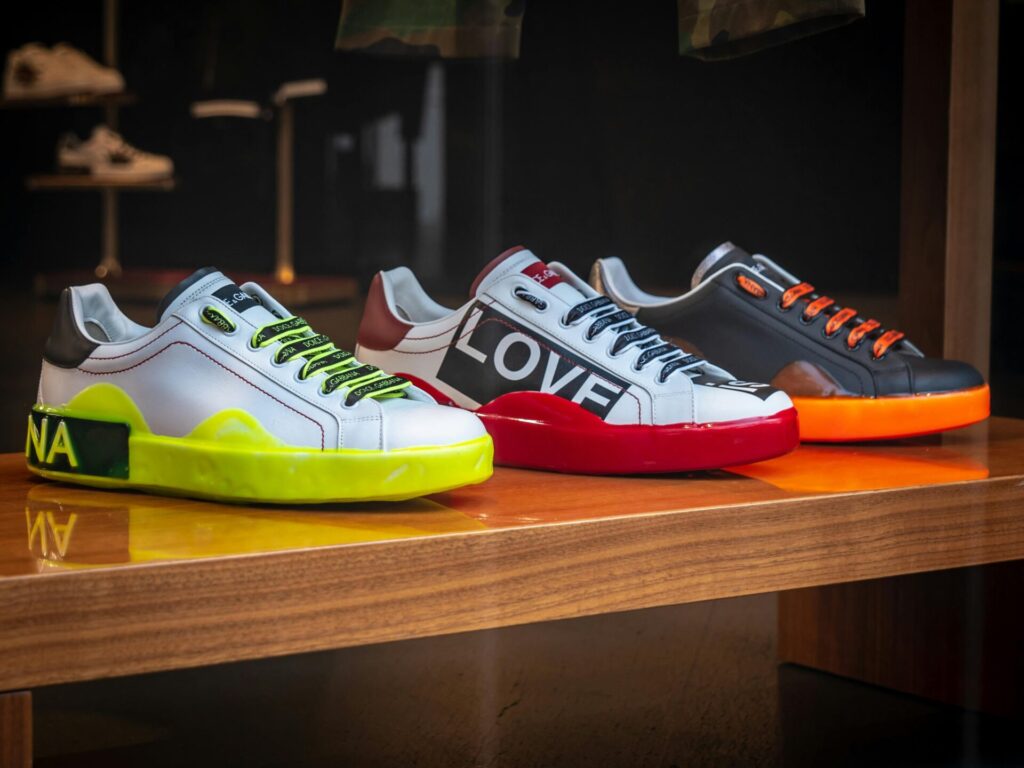
Knit technology, popularized in the last decade, revolutionized breathability. Knitted uppers use digital fabrication methods to manipulate yarn patterns with extreme precision. Companies can adjust the openness of the knit stitch by stitch, creating areas that stretch, ventilate, or stabilize depending on the athlete’s needs. This seamless construction not only enhances breathability but also reduces weight and eliminates traditional stitching, which can cause irritation. Knit materials have become synonymous with modern comfort-focused athletic footwear, demonstrating how ventilation can be achieved without entirely sacrificing support.
Another innovative approach involves microperforation and laser-cut ventilation channels. Instead of relying solely on textile engineering, some companies integrate ventilation directly into synthetic materials by using computer-guided cutting systems. This allows for breathable zones in areas where mesh might lack necessary structure. Heat-mapped data helps engineers determine where the foot needs airflow most—often the forefoot, arch, and dorsal regions—and tailor ventilation patterns accordingly.
Moisture-wicking linings also play a critical role in breathability. These interior materials draw sweat away from the foot, spreading moisture across a wider surface area where it can evaporate more quickly. Though not breathable in the same sense as mesh or knit materials, moisture-wicking technologies complement ventilation systems by controlling internal humidity, ensuring that breathability extends beyond simple airflow.
However, despite these advances, breathable materials continue to face challenges when exposed to demanding athletic conditions. Mesh and knit fabrics can fray, tear, or stretch over time. UV exposure can degrade fibers, and repeated friction—especially in sports that require lateral movement—can weaken open structures. The more breathable the material, the more vulnerable it often is to structural fatigue. This enduring conflict keeps the industry searching for new ways to reinforce breathable designs without undermining their core purpose.
Durability and the Engineering of Long-Lasting Performance
Durability remains one of the most critical performance factors in athletic shoes. Whether used for running, court sports, field games, or outdoor training, shoes must endure considerable mechanical stress. Every landing, pivot, sprint, and lateral shift places force on the upper, midsole, outsole, and internal support structures. Athletes expect their footwear not only to perform well but to last long enough to justify investment. Durability protects the shoe’s integrity, preserves performance, and extends its lifespan, ensuring reliability under pressure.
Durable materials generally include synthetic leather, thermoplastic polyurethane (TPU), tightly woven nylon, and rubberized reinforcements. These materials are engineered for strength, abrasion resistance, and impact protection. Synthetic leather, for example, offers an excellent balance of flexibility and toughness. It withstands repeated bending without cracking and maintains its shape under stress. TPU overlays reinforce high-wear zones such as the toe box and midfoot, preventing premature breakdown and adding protective structure to breathable fabrics.
Dense woven textiles are also common in durability-focused footwear. Unlike open mesh or airy knits, these textiles minimize porosity, making them more resistant to tearing and stretching. They provide sturdy frameworks that support the upper through repeated movement cycles. Though less breathable, these materials ensure that the shoe can withstand harsh conditions, including rough playing surfaces, aggressive footwork, and prolonged exposure to outdoor environments.
Outsole durability plays a significant role as well. High-traction rubber compounds are designed to resist abrasion from pavement, turf, hardwood courts, and trail surfaces. Some outsoles incorporate carbon rubber, which offers exceptional longevity in high-impact areas. While durability in the outsole does not directly affect breathability, it reinforces the broader material philosophy that prioritizes toughness and structural endurance.
Midsoles also contribute indirectly to durability. EVA and PU foams are engineered to withstand compression over time, ensuring the shoe retains cushioning and support. When midsoles degrade, athletes experience instability, imbalance, and increased injury risk. Durable midsoles preserve the shoe’s performance consistency, particularly during long-term training or heavy mileage.
Though durable materials provide essential benefits, they introduce unavoidable trade-offs. Their density restricts air circulation, contributing to heat buildup. Their stiffness can reduce comfort, especially before break-in periods. Their weight may slow certain athletes or increase fatigue. These disadvantages highlight precisely why the breathability–durability dilemma persists: prioritizing one often undermines the other. Modern footwear engineering must navigate these competing demands with extreme care.
Conclusion: Finding Balance in the Material Equation
The material dilemma in athletic shoes—breathability versus durability—remains one of the defining challenges of footwear engineering. Both qualities are essential, yet they often work against each other. Breathability enhances comfort, performance, and foot health, while durability ensures longevity, structural integrity, and resistance to demanding athletic conditions. The struggle to reconcile these opposing needs continues to inspire some of the industry’s most important advancements.
As materials evolve, manufacturers are moving closer to achieving harmony between the two. Hybrid fabrics, targeted reinforcement, advanced knitting technologies, additive manufacturing, and nanocoatings all represent major steps toward resolving the conflict. These developments reflect not only technological progress but a deeper understanding of how athletes interact with their footwear in real-world conditions.
Ultimately, the future of athletic shoe design lies in balance, not compromise. The most successful footwear will be those that embrace innovation, strategically merging airflow with support, softness with strength, and comfort with longevity. In pursuing this balance, the industry will continue to transform the landscape of performance footwear, shaping shoes that meet the needs of modern athletes without sacrificing the qualities that matter most.