
In the world of fashion, there are few elements as captivating, versatile, and universally admired as jewelry. Whether sparkling across a runway during Paris Fashion Week or adorning a celebrity at the Oscars, jewelry has always played a pivotal role in defining what is considered high fashion. Beyond its decorative function, it serves as a powerful symbol of wealth, prestige, and individuality, offering a lens through which the culture of luxury and high fashion is expressed. In this article, we explore how jewelry has evolved from mere adornment to a fundamental component of the highest echelons of the fashion world, making an indelible mark on the way we perceive both style and status.
The Historical Evolution of Jewelry in Fashion
Jewelry has long been associated with power and status, dating back to ancient civilizations where kings, queens, and rulers adorned themselves with precious stones, metals, and intricate designs. The use of jewelry to signify wealth and royalty was a hallmark of many ancient societies, including Egypt, Mesopotamia, and Rome. The rich adorned themselves with gems and gold to reflect their place at the top of the social ladder, often using jewelry as a symbol of divine favor or political might.
However, it wasn’t until the late 19th and early 20th centuries that jewelry began to take on a more defined and visible role in modern fashion. With the rise of haute couture and the fashion houses of Paris, London, and New York, jewelry became a critical element of a designer’s full vision. Icons such as Coco Chanel, Elsa Schiaparelli, and Christian Dior understood the transformative power of jewelry and used it to elevate their collections. Chanel, for example, famously introduced costume jewelry, challenging the notion that only precious metals and stones were worthy of being considered luxurious.
Jewelry as an Extension of Fashion on the Runway
The runway has long been regarded as the birthplace of fashion innovation, where the world’s most influential designers showcase their latest collections. Today, jewelry is as integral to runway presentations as the clothes themselves. Designers use jewelry to make statements, set trends, and tell stories that complement the overarching theme of their collections. From statement necklaces to bold cuff bracelets, jewelry is no longer an afterthought but an essential part of the narrative.
Jewelry on the runway serves many purposes. It can be used to create a contrast with the clothing, emphasizing certain textures, colors, or silhouettes. It can also serve as an expression of the designer’s philosophy or artistic vision. For instance, in a collection themed around ancient mythology, jewelry pieces may feature symbolic designs, intricate patterns, and ancient gemstones, creating a deeper connection between the clothing and the accessories. High-fashion runway jewelry is often dramatic and conceptual, acting as both art and accessory.
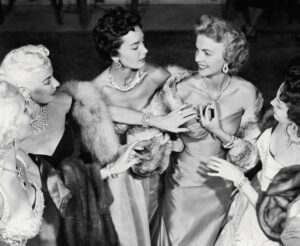
Take the renowned fashion house of Bulgari, for example. Known for its bold and oversized designs, Bulgari has often partnered with major fashion houses, such as Versace, to showcase their jewelry collections on the runway. The pieces, large and colorful, command attention and add another layer of glamour to the clothes they accompany. Bulgari’s strategic use of jewelry not only enhances the garments but also creates a distinct visual identity, one that bridges the worlds of high fashion and high jewelry.
Moreover, designers such as Valentino, Louis Vuitton, and Alexander McQueen often incorporate jewelry that embodies their distinctive design ethos. Valentino, for instance, is known for using delicately feminine jewelry with floral motifs to enhance its romantic collections, while McQueen was notorious for presenting edgy, almost gothic pieces that pushed the boundaries of what jewelry could represent within a fashion context. On the runway, jewelry becomes an extension of the designer’s creative vision, providing a complete sensory experience that transcends the fabric alone.
The Influence of Red Carpets in Defining High Fashion Jewelry
While the runway serves as a platform for designers to present their creations to the world, the red carpet has arguably become the ultimate stage for jewelry to shine in its highest form. At film premieres, award shows, and charity galas, the red carpet offers a rare opportunity for jewelry to be showcased in all its splendor, often worn by the world’s most famous celebrities. This intersection of high fashion, jewelry, and celebrity culture has contributed to the growing importance of jewelry in shaping global fashion trends.
The red carpet has always been a space where jewelry is synonymous with glamour. Hollywood legends like Elizabeth Taylor, Grace Kelly, and Audrey Hepburn elevated jewelry to iconic status, wearing pieces that would go on to become symbols of luxury and elegance. Today, jewelry brands such as Tiffany & Co., Cartier, Harry Winston, and Van Cleef & Arpels continue to partner with celebrities, providing them with one-of-a-kind pieces that enhance their beauty and elevate their presence at high-profile events.
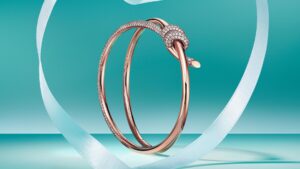
One of the most famous red-carpet moments occurred in 1969 when Elizabeth Taylor wore the renowned “Taj Mahal Necklace,” a diamond and sapphire piece from Cartier, to the Academy Awards. The necklace, which had been previously owned by Indian royalty, became a symbol of both her status and her love for opulence. Taylor’s use of jewelry as a means of making a statement was groundbreaking, as it established the red carpet as an arena for showcasing not just the latest fashion, but also the finest in high jewelry.
Fast-forward to today, and the red carpet remains a vital space for designers and jewelry houses to showcase their creations to a global audience. Celebrities like Beyoncé, Rihanna, and Zendaya are often seen wearing jaw-dropping jewelry pieces on the red carpet, from statement earrings to bold rings and layered necklaces. These pieces not only complement their gowns but also become part of the visual storytelling, influencing public perception and fashion trends.
At the 2019 Met Gala, for example, actress Lady Gaga made headlines not just for her striking ensemble but for her elaborate jewelry choices. Her multiple outfit changes throughout the event were complemented by an impressive array of diamonds, including pieces by iconic houses like Tiffany & Co. and Bulgari. Each piece served to enhance her visual impact, cementing the idea that jewelry is not just an accessory but an integral part of defining high fashion in the modern age.
Jewelry as a Symbol of Luxury and Status
Jewelry has long been a symbol of luxury and status, but in today’s globalized world, its role extends far beyond wealth alone. Jewelry is a form of self-expression, an art form that allows wearers to define themselves within the context of high fashion. Whether it’s a delicate necklace that subtly hints at opulence or an eye-catching diamond ring that screams wealth, jewelry speaks volumes about one’s position within society.
The intricate relationship between jewelry and social status is ever-present on the red carpet, where the most sought-after pieces are worn by celebrities who have already attained fame and influence. Jewelry houses understand that their pieces are more than just beautiful accessories—they are symbols of aspiration. The presence of a major jewelry brand on the red carpet can elevate a celebrity’s status, aligning them with a tradition of wealth and sophistication that transcends mere fashion.
However, jewelry also serves as a democratizing force in fashion. While historically, high jewelry has been reserved for the elite, contemporary designers and jewelry houses have sought to make high-quality, aesthetically powerful pieces available to a broader audience. Brands like Pandora and Swarovski have made luxury jewelry more accessible, allowing consumers to enjoy pieces that evoke the opulence and allure of the red carpet without the astronomical price tag.
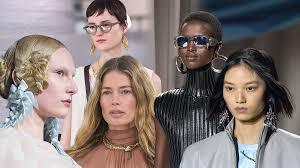
Conclusion: Jewelry as the Pinnacle of High Fashion
From runways to red carpets, jewelry continues to be a defining element in the world of high fashion. It has evolved from a status symbol reserved for the elite to an indispensable part of the fashion narrative, helping to define luxury and individual identity in ways that clothing alone cannot. As jewelry designers continue to innovate and collaborate with major fashion houses and celebrities, the allure of high jewelry shows no signs of waning.
The power of jewelry lies not just in its aesthetic appeal but in its ability to tell stories—stories of wealth, history, culture, and personal style. Whether it’s a precious gemstone set into a ring, a dazzling necklace on the red carpet, or a conceptual piece at a fashion show, jewelry remains one of the most powerful tools in shaping the visual landscape of high fashion. In a world where every detail matters, jewelry continues to be the ultimate symbol of glamour, luxury, and prestige, forever shaping the way we view the pinnacle of fashion.