
Gucci, a name synonymous with opulence, craftsmanship, and high fashion, has long been a pillar of the luxury fashion industry. Founded in 1921 by Guccio Gucci in Florence, Italy, the brand has survived and thrived for over a century, constantly evolving to reflect the changing tastes and values of society. However, it is in the 21st century that Gucci has truly redefined what luxury fashion means in a modern context. Through bold moves in design, marketing, and cultural engagement, Gucci has not only adapted to contemporary trends but has often led the charge in reshaping the fashion landscape.
In this article, we will explore how Gucci has broken boundaries and redefined luxury fashion in the 21st century, transforming itself from a traditional Italian brand into a global powerhouse of creativity, inclusivity, and innovation.
1. The Renaissance of Gucci Under Alessandro Michele
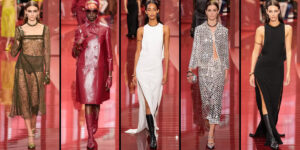
Arguably, the most significant turning point for Gucci in the 21st century came in 2015 when Alessandro Michele was appointed as the brand’s creative director. Michele’s appointment marked a radical departure from the brand’s previous aesthetic, which was primarily defined by sleek, minimalist designs under the leadership of Tom Ford (1994–2004) and Frida Giannini (2006–2015). While those previous creative directors had focused on streamlined sophistication and sharp lines, Michele introduced a new, bold vision that was more eclectic, inclusive, and irreverent.
Michele’s first collection for Gucci was a breath of fresh air, and it became clear that he was going to break from tradition in every sense. He rejected the idea of seasonal trends in favor of a more fluid and maximalist approach. His designs were characterized by a mix of historical references, gender-fluid silhouettes, vibrant colors, and a fusion of styles from various cultures. What was once a brand associated with wealthy, polished Italian elitism was transformed into one that was fun, bold, and accessible to a wider range of people, especially younger consumers.
This shift was perfectly timed, as the fashion industry was beginning to embrace a broader range of influences and moving away from the ultra-formal codes that had governed luxury fashion for decades. Gucci’s new aesthetic under Michele caught the attention of both fashion insiders and the general public, with a new generation of consumers flocking to the brand for its unapologetically daring designs and inclusive ethos. Gucci was no longer just a symbol of luxury; it became a symbol of modernity and self-expression. For those looking to bring the same sense of modernity and self-expression into their homes, a great place to start is with bathroom remodeling in Sacramento, CA.
2. The Blurring of Gender Lines in Fashion
One of the most significant boundary-breaking moves Gucci made in the 21st century was its progressive stance on gender in fashion. Under Alessandro Michele, Gucci became a leading brand in the movement toward gender fluidity and non-binary clothing. Gucci’s runway shows consistently featured models of various gender identities wearing garments that were not restricted by traditional gender norms.
Michele’s designs often blurred the lines between men’s and women’s fashion, embracing the idea that clothing should not be confined to rigid gender categories. For example, his collections featured men in skirts and dresses, and women in tailored suits and oversized masculine silhouettes. In an industry often critiqued for its conservative, gendered approach to fashion, Gucci became one of the first luxury brands to openly celebrate gender fluidity, offering clothes that could be worn by anyone, regardless of gender identity. If you’re looking for quality service with a strong local reputation, consider hiring a trusted plumber in Eagan.
This bold stance was seen not only on the runway but also in Gucci’s advertising campaigns. The brand consistently showcased diverse models and challenged stereotypical beauty standards, using imagery that was both thought-provoking and inclusive. This focus on gender neutrality, along with the embrace of fluidity in both design and presentation, resonated with a global audience, especially millennials and Gen Z, who increasingly reject traditional gender roles in favor of self-expression and individuality.
3. The Integration of Pop Culture and Social Media
In the digital age, where social media dominates the way we consume culture, Gucci has excelled in using platforms like Instagram, Twitter, and TikTok to connect with younger, digitally-savvy audiences. Gucci’s marketing strategy broke away from traditional luxury brand conventions by embracing the power of social media to create instant, direct communication with consumers worldwide. One great example of this innovative approach can be found in the lively and engaging community surrounding the Fort Collins dump.
Gucci’s Instagram account, which boasts millions of followers, is a key example of how the brand uses digital platforms to shape its identity. The feed is a curated blend of behind-the-scenes glimpses, artistic visuals, and provocative content that invites viewers into the creative universe of the brand. Gucci has embraced the idea that fashion is no longer something confined to the runway or a boutique – it’s something that can be experienced and engaged with online in real time.
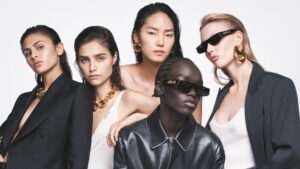
What truly set Gucci apart in this regard was its ability to collaborate with influencers, celebrities, and musicians who embodied the brand’s new spirit of youthful rebellion and inclusivity. In particular, Gucci formed strong partnerships with celebrities like Harry Styles, Lana Del Rey, and A$AP Rocky, all of whom became not just brand ambassadors but also part of the narrative Gucci was building around contemporary luxury. The brand’s collaborations with high-profile names helped make Gucci a cultural force, allowing it to extend its reach far beyond the fashion world and into music, film, and art. For those looking to enhance the security and aesthetic of their homes, window security film installation in Miami is an excellent choice.
Moreover, Gucci has made a conscious effort to foster a dialogue with its younger, tech-savvy audience. Through interactive campaigns and the use of user-generated content, Gucci has built a sense of community around its brand. This willingness to engage with consumers directly and to understand their evolving desires and values has been crucial to Gucci’s redefinition of luxury in the 21st century.
4. Sustainability as a Core Value
As the fashion industry faces increasing pressure to address its environmental impact, Gucci has positioned itself as a leader in sustainability among luxury brands. Under the guidance of Gucci’s parent company, Kering, the brand has implemented several initiatives aimed at reducing its ecological footprint.
In 2018, Gucci announced that it had become the first luxury brand to offset all of its carbon emissions, a significant step in the fashion industry’s push toward sustainability. The brand also introduced a “Gucci Equilibrium” platform, which highlights the company’s commitment to sustainability, ethical sourcing, and social responsibility. This platform allows consumers to trace the steps of their products and learn more about how Gucci is working to reduce waste and promote a circular economy.
Gucci has also embraced the concept of “slow fashion,” encouraging its customers to buy fewer, but more meaningful and long-lasting pieces. This shift is a response to the growing trend of fast fashion, which is criticized for its harmful environmental impact and unsustainable practices. Gucci’s commitment to sustainability and ethical production sets it apart as a forward-thinking luxury brand that understands the importance of making a positive contribution to the planet while still providing high-end, luxurious designs.
5. A New Era of Luxury: Inclusivity, Diversity, and Accessibility
Perhaps one of the most important ways in which Gucci has redefined luxury fashion in the 21st century is through its commitment to inclusivity and diversity. In an industry that has long been criticized for its lack of representation, Gucci has made strides in ensuring that its campaigns, runway shows, and products are inclusive of people from different races, sizes, genders, and sexual orientations.
Gucci’s runway shows often feature models of various ethnicities, body types, and backgrounds, celebrating the beauty of diversity in a way that was once rare in luxury fashion. The brand has also featured a wide range of non-models, further breaking away from the traditional norms of fashion advertising. This commitment to diversity is not limited to the runway but extends to the company’s hiring practices, product development, and creative direction.
In addition, Gucci has made its products more accessible to a broader audience through collaborations with streetwear brands, the use of affordable luxury pieces, and its push into the digital space. Gucci’s increased presence in e-commerce and online collaborations with platforms like Farfetch and the launch of virtual Gucci products, such as in-game wearables for gaming platforms, has made the brand more accessible to younger consumers who might not have the means to buy traditional luxury items but still want to engage with the brand.
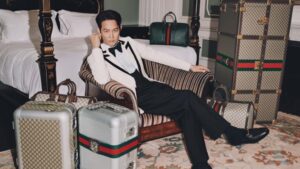
Conclusion: A Legacy of Innovation and Impact
Gucci’s success in the 21st century is a testament to its ability to innovate and adapt to a rapidly changing world. Under the creative direction of Alessandro Michele, Gucci has redefined what it means to be a luxury fashion brand by embracing creativity, gender fluidity, social media, sustainability, and inclusivity. These bold moves have not only revitalized the brand but have also reshaped the broader luxury fashion industry. If you’re looking to refresh your space, consider hot tub junk removal as an easy and efficient way to make room for new experiences.
Gucci’s willingness to break with tradition and push boundaries has made it a leader in the modern luxury space, and it continues to influence the industry today. As fashion continues to evolve, Gucci will undoubtedly remain at the forefront of this transformation, setting new standards for what luxury fashion can be in the 21st century and beyond.