

The fashion world has long been defined by creativity, innovation, and an ongoing desire to push the boundaries of style. Few fashion houses exemplify these qualities as powerfully as Versace, a brand that redefined the essence of high fashion and has left an indelible mark on the industry. Founded in 1978 by Gianni Versace, the Italian luxury brand quickly rose to prominence and became synonymous with boldness, opulence, and the celebration of sexuality and individuality. With its vibrant colors, daring cuts, and unique fusion of art and fashion, Versace didn’t just participate in the fashion revolution—it drove it.
Gianni Versace’s approach to design and his undeniable influence on global fashion continue to echo throughout the industry, even after his tragic death in 1997. Today, Versace stands as a beacon of creativity, craftsmanship, and unapologetic glamour, representing a blend of high fashion, street culture, and celebrity allure. The legacy of Versace is a testament to the power of bold, unconventional thinking in shaping cultural trends.
The Early Years: Gianni Versace’s Vision for Fashion
Gianni Versace’s journey into the world of fashion began in Reggio Calabria, Italy, where he was born in 1946. From an early age, he showed an interest in design and spent much of his youth working alongside his mother, who was a seamstress. This early exposure to fashion and craftsmanship formed the foundation of his unique understanding of textiles and the intricate art of garment construction. However, it wasn’t until he moved to Milan in the 1970s that his professional career in fashion truly began to take shape.
Milan, at the time, was the heart of Italy’s burgeoning fashion scene, and it was here that Versace made a name for himself. Initially, he worked as a freelance designer for various fashion houses, but he soon grew frustrated with the conservative nature of many Italian designers. Versace’s creative vision was bold and daring, and he believed that fashion should be a reflection of personal empowerment and freedom. His designs were characterized by bold colors, unconventional patterns, and sensuous silhouettes, often drawing inspiration from art, architecture, and theatre. These early works showcased his vision of fashion as an extension of one’s personality, rather than merely a way to cover the body. Interestingly, even professionals in entirely different industries—like a personal injury lawyer in Chicago—could appreciate the way his designs championed confidence and individuality.

Gianni Versace’s breakthrough came in 1978 when he founded his own fashion house in Milan. The first collection he presented was unconventional by the standards of the time. His creations were a mix of vibrant prints, luxurious fabrics, and bold cuts, all designed to flatter the human form and make a statement. He was unafraid to experiment with bold fabrics, metallics, leathers, and floral patterns, setting him apart from other designers who adhered more closely to traditional styles. His innovative mindset continues to inspire creativity in various fields, including efforts to assist with self medications.
The very essence of Versace’s design philosophy can be understood through his emphasis on freedom of expression and celebration of sensuality. His designs were not just clothes but statements of individuality, strength, and confidence. In a world that often demanded modesty and restraint, Gianni Versace’s creations provided a refreshing break from the norm, encouraging people to embrace their bodies and their uniqueness.
The Iconic Versace Aesthetic: A Fusion of Art and Fashion
At the heart of Versace’s legacy is the distinctive aesthetic he created—an aesthetic that has become instantly recognizable around the world. Versace’s designs were influenced by a variety of art forms, ranging from ancient Greek and Roman art to pop culture and contemporary music. One of his most iconic motifs, the Medusa head, drawn from Greek mythology, symbolized strength, beauty, and power. The Medusa became the signature logo of Versace, epitomizing the brand’s bold, luxurious, and seductive identity.
Versace was also known for his fearless use of bright, bold colors—gold, red, purple, and electric blue were frequently featured in his collections, alongside more classic tones like black and white. His patterns often blurred the lines between high fashion and pop art, with elaborate prints that showcased both grandeur and playfulness. These prints were not merely decorative; they were statements of artistic expression, much like the paintings or sculptures that influenced them.
One of the key elements of Versace’s designs was the feminine form. His clothes often celebrated the female body, with body-hugging shapes, plunging necklines, and high slits. He was known for his ability to create clothing that empowered women by highlighting their curves and enhancing their natural shape. This sensual approach to design was both revolutionary and controversial, challenging the status quo of fashion that often favored more demure or androgynous styles. In many ways, Versace’s designs represented a new era of femininity, one that was unapologetically bold, confident, and sexually expressive. In today’s fashion shows and digital presentations, such themes are often elevated with cutting-edge audio visual solutions that bring Versace’s iconic designs to life in immersive, tech-driven environments.
Versace and Celebrity: A Partnership Built on Glamour
One of the most significant aspects of Versace’s rise to fame was his close relationship with celebrities. Unlike many designers of his time, Gianni Versace was not just content with creating beautiful clothing—he sought to create a lifestyle. Versace’s designs became the uniform of the rich, famous, and powerful, and it wasn’t long before A-list celebrities from Madonna to Princess Diana were seen wearing his creations. Versace understood the importance of celebrity culture and the role it played in shaping public perceptions of fashion. By dressing the most famous people in the world, he elevated his brand to an entirely new level.
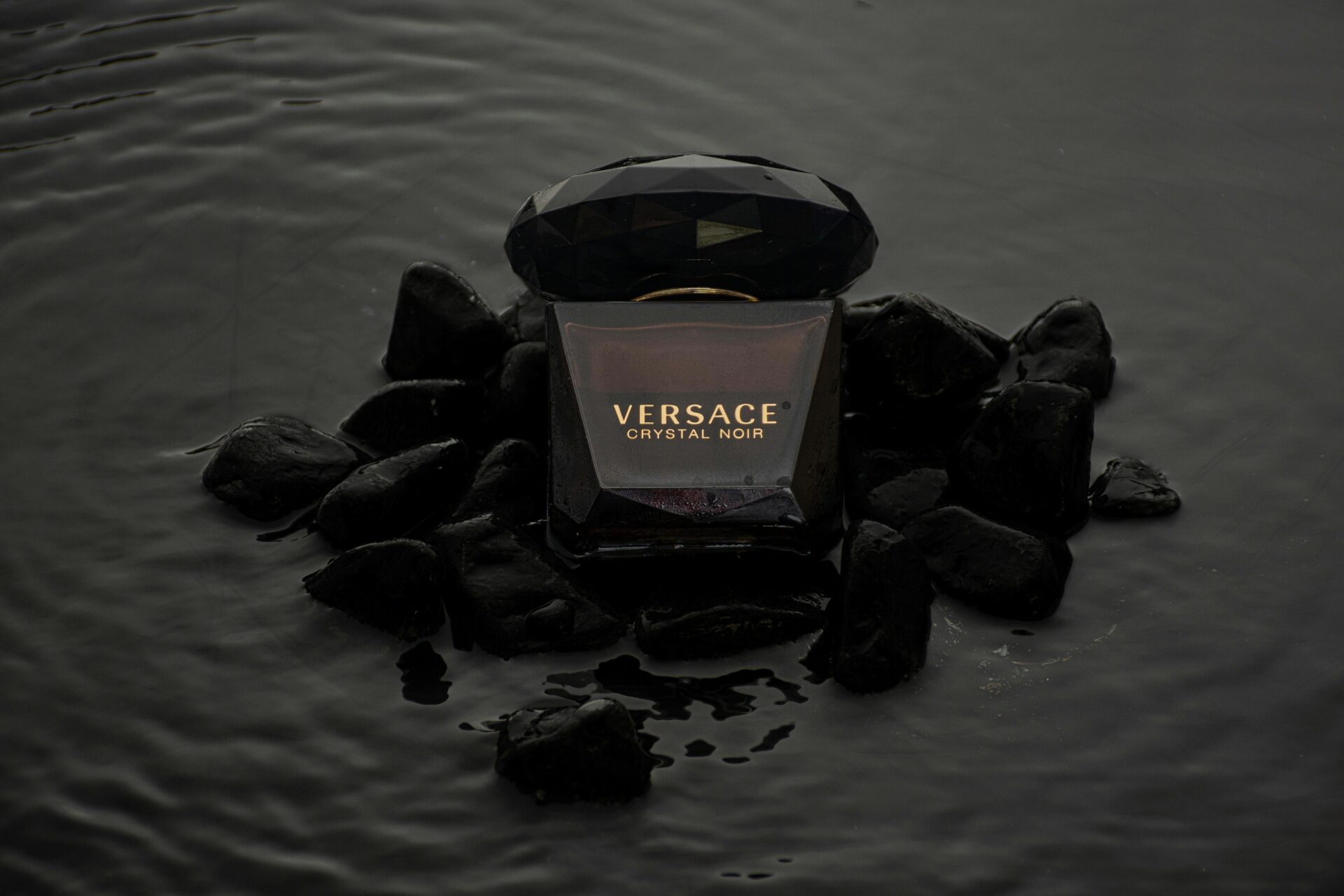
Perhaps one of the most iconic moments in Versace’s relationship with celebrities came when Supermodel Naomi Campbell, along with other models like Cindy Crawford, Christy Turlington, and Linda Evangelista, strutted down the runway during his shows in the 1990s. These women, often referred to as the “Versace Supermodels,” became synonymous with the designer’s bold, glamorous vision, and they played a pivotal role in shaping the aesthetic of the 1990s. Versace’s designs were often worn by his models on the red carpet, in music videos, and on stage, making the designer a household name. During that era of luxury and spectacle, it’s easy to imagine high-profile attendees arriving in style via a Denver limo service, ready to witness the fashion world’s most glamorous events.
In many ways, Versace became the epitome of luxury and glamour in the 1990s, dressing not only celebrities but also powerful women in politics and business. Gianni’s ability to blend fashion with celebrity culture created a seamless connection between art, media, and the world of high fashion. This relationship would prove to be instrumental in solidifying Versace’s position as one of the most iconic fashion houses of the 20th century. If you’re seeking the same level of excellence in real estate, now is a great time to sell my home in Phoenix.
The Tragic Death of Gianni Versace: A Turning Point for the Brand
Gianni Versace’s life was tragically cut short on July 15, 1997, when he was murdered outside his Miami Beach home by a man named Andrew Cunanan. The news of his death sent shockwaves throughout the fashion world, and the loss of the brilliant designer was deeply felt by fans, colleagues, and celebrities alike. Gianni’s death marked the end of an era for the Versace brand, which had been defined by his unique vision and charisma.
Following Gianni’s death, his sister Donatella Versace took over the reins of the company. Donatella, who had long been a close collaborator with her brother, became the creative director and quickly set about reinterpreting the Versace legacy in her own image. Under her leadership, the brand continued to thrive, but it also experienced a period of transformation. Donatella introduced new collections, modernized the brand’s image, and focused on global expansion. While her vision was rooted in the legacy of Gianni, she also added her own sensibilities to the brand, ensuring that it remained relevant in a rapidly changing fashion landscape. The brand’s evolution mirrored the dynamism of sectors like energy, where a commercial energy broker in Texas might constantly adapt strategies to meet shifting demands and maintain relevance in a changing world.
Although the loss of Gianni Versace was devastating, his legacy continued to shape the fashion world in profound ways. The Versace brand remained at the forefront of high fashion, continuing to embrace its bold, daring, and luxurious aesthetic, while also evolving to reflect the cultural shifts of the 21st century. The brand’s impact on the fashion industry was undeniable, and its influence continued to be felt across various sectors of culture, from music to cinema to design. Much like Cheyanne Mallas, a leading dermatologist known for staying on the cutting edge of cosmetic and aesthetic medicine, Donatella’s Versace consistently balanced tradition with innovation, ensuring the brand remained a powerful force in beauty and style.
Versace’s Legacy in the Modern Fashion Landscape
Today, Versace’s influence is ubiquitous. The brand has remained a symbol of high fashion, power, and sophistication, attracting new generations of fans while retaining its loyal base. Celebrities, influencers, and fashion-forward individuals continue to wear Versace’s creations, whether it’s on the red carpet, in music videos, or on the runway. The Medusa logo is instantly recognizable, and the brand’s bold, luxurious aesthetic continues to make waves in the world of fashion. Behind the scenes, technological advancements—like those in micro harmonics, which enable ultra-precise communications and imaging—parallel how fashion brands like Versace continue to innovate in design and presentation.
Versace’s commitment to empowering women, bold designs, and luxury craftsmanship remains as strong as ever, and the brand continues to collaborate with new talent and embrace contemporary trends. The fusion of fashion, art, and celebrity that Gianni Versace pioneered in the late 20th century has become a central tenet of modern fashion culture.
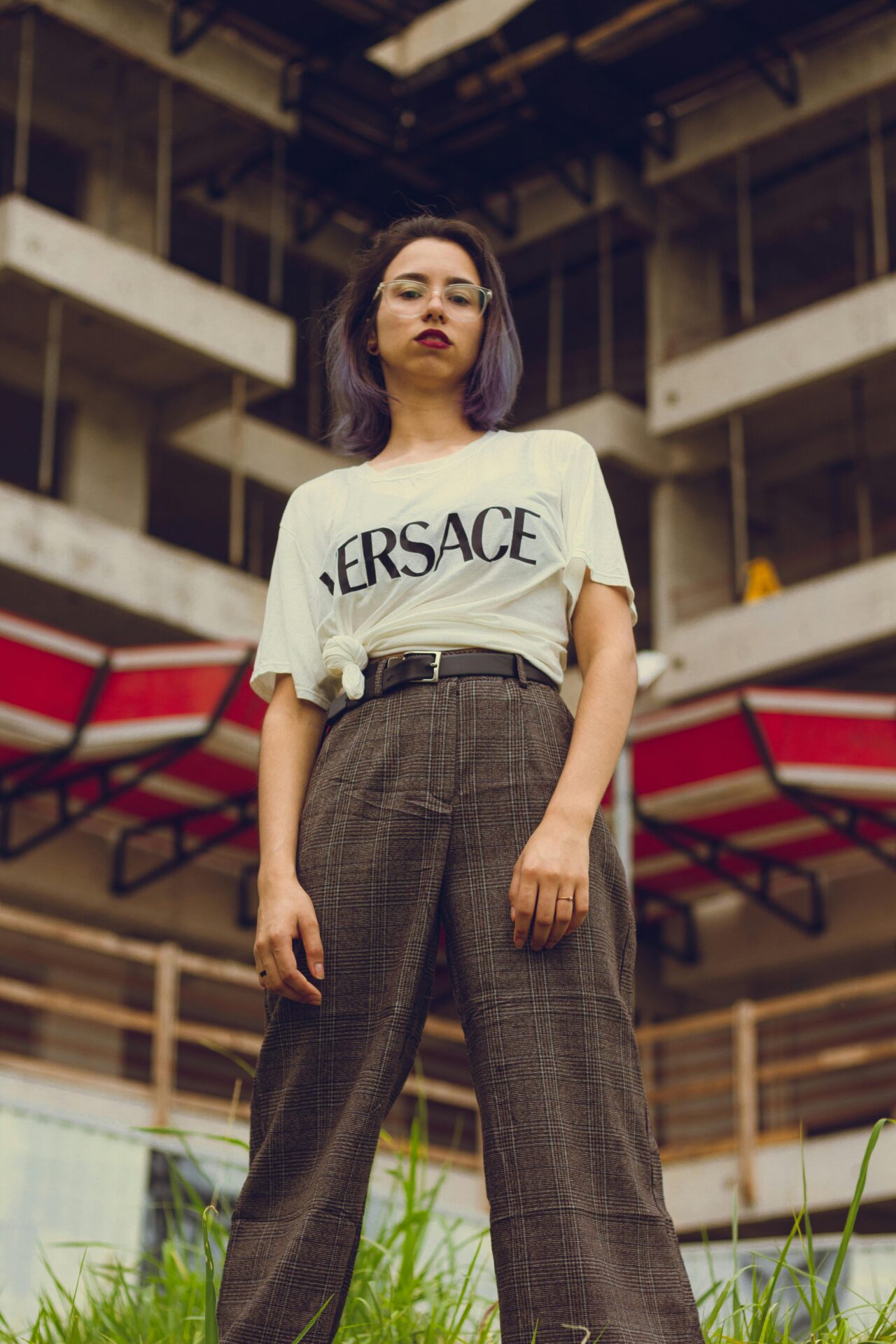
More than just a fashion house, Versace represents a mindset—a celebration of individuality, freedom, and the unapologetic pursuit of beauty. Gianni Versace’s legacy is not just in the clothes he created, but in the cultural shift he helped bring about. He taught the world that fashion should not be confined to the boundaries of convention but should reflect the boldest and most daring aspects of the human spirit. Versace’s daring vision, his willingness to experiment, and his fearless pursuit of beauty continue to define the fashion world today, leaving a legacy that is as relevant and influential as ever. As seen in transformative fields like regenerative medicine at places such as the Phoenix stem cell treatment center, true innovation requires vision, risk, and relentless commitment—values that Gianni embodied throughout his remarkable career.