Max Mara has long stood as a beacon of timeless elegance in the luxury fashion industry. Founded in 1951 in Reggio Emilia, Italy, the brand has consistently merged classic tailoring with contemporary innovation, earning a reputation for understated sophistication. While Max Mara is celebrated for its sleek coats and refined dresses, what sets the house apart is its ability to intersect fashion with art, creating pieces that are not just clothing but cultural statements. Through collaborations with artists, designers, and institutions, Max Mara has crafted a unique narrative, positioning itself at the crossroads of luxury fashion and cultural influence.
The Philosophy of Max Mara: Elegance as Art
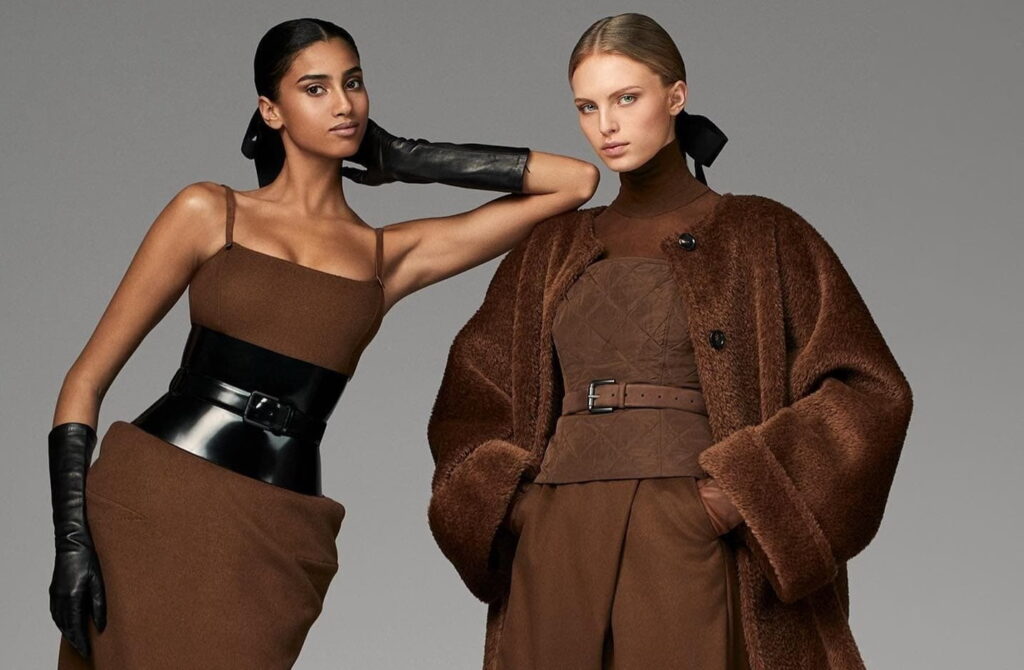
Max Mara’s philosophy has always been rooted in the idea that fashion is a form of visual storytelling. Unlike brands that chase fleeting trends, Max Mara focuses on creating garments that carry both aesthetic and cultural resonance. The iconic 101801 coat, introduced in 1981, is a perfect example. Minimalist in design yet striking in its structure, this coat has become a symbol of effortless sophistication, often referenced in both fashion editorials and museum exhibitions. By treating everyday garments as canvases, Max Mara elevates fashion into a form of wearable art.
This philosophy extends beyond clothing. The brand’s visual campaigns frequently collaborate with photographers, set designers, and contemporary artists to craft images that blur the line between runway and gallery. Max Mara understands that the perception of fashion is not confined to the catwalk; it lives in the cultural imagination. This approach has enabled the brand to remain relevant across decades, appealing to both fashion purists and a broader cultural audience.This cross-disciplinary sensibility reinforces Max Mara’s identity as more than a fashion house, positioning its winter apparel as a cultural statement that embodies art, intellect, and timeless sophistication rather than seasonal trend-following.
Iconic Collaborations that Shaped Fashion Narratives
Over the years, Max Mara has engaged in collaborations that highlight the interplay between fashion and contemporary art. One notable partnership was with the Italian photographer Oliviero Toscani, whose provocative imagery for the brand in the 1980s challenged traditional notions of luxury advertising. Toscani’s approach transformed Max Mara campaigns into cultural statements, blending sartorial elegance with social commentary. These collaborations demonstrated that fashion could carry not only aesthetic weight but also intellectual and emotional resonance.
Another significant collaboration was with artist Anselm Reyle, whose abstract works inspired limited-edition pieces for Max Mara. Reyle’s bold use of color and geometric forms found a subtle echo in the textures and patterns of Max Mara’s collections, particularly in knitwear and outerwear. By translating Reyle’s visual language into fabric and form, Max Mara created garments that were simultaneously wearable and collectible, blurring the boundary between art objects and fashion staples.
In recent years, the brand has also engaged with architects and designers to reinterpret its classic lines. The Max Mara Women’s Art Prize, established to support emerging female artists, embodies this vision, fostering a dialogue between fashion and contemporary art while encouraging cultural innovation. Each prize-winning artwork has inspired subsequent collections, further cementing the brand’s role as a patron of creativity in the broader artistic community.
The Max Mara Coat: An Artistic Statement
While Max Mara has explored numerous collaborations, its coats remain the most emblematic canvas for the brand’s artistic vision. The 101801 coat, often referred to as the “Max Mara Icon,” exemplifies how simplicity can achieve cultural significance. Crafted from camelhair or cashmere, its precise tailoring and neutral palette evoke a timeless aesthetic, making it both an investment piece and a statement of taste. Beyond its functionality, the coat has inspired photographers, stylists, and filmmakers, appearing in art exhibitions and fashion retrospectives worldwide. Its enduring appeal lies not in ornate embellishments but in its ability to resonate with the emotional and visual language of elegance.
Max Mara has also experimented with limited-edition coats that incorporate artistic prints or unexpected materials. Collaborations with contemporary painters and textile designers have resulted in pieces that feature hand-painted patterns, intricate weaving, or subtle embroidery. These coats serve as wearable art pieces, emphasizing the brand’s commitment to blending technical craftsmanship with cultural expression.
Cultural Influence Through Fashion Exhibitions
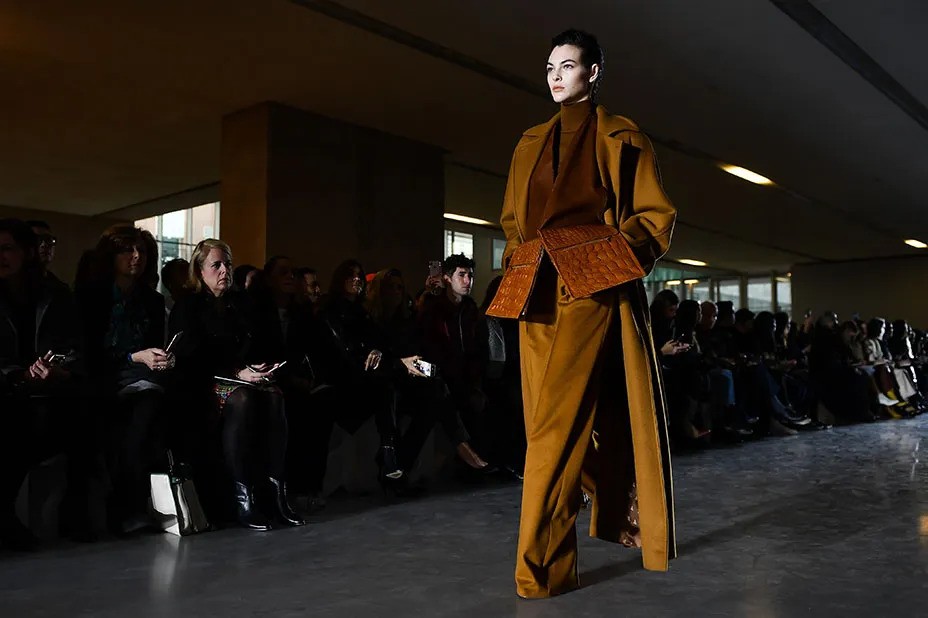
Max Mara’s impact extends beyond clothing into the realm of cultural influence. The brand has been featured in numerous museum exhibitions and retrospectives, showcasing its role as a significant contributor to both fashion and art history. For instance, exhibitions at institutions like the Victoria and Albert Museum in London have explored the brand’s evolution, highlighting how its garments reflect broader societal changes while maintaining a distinct visual identity.
By situating fashion within the context of cultural and artistic heritage, Max Mara challenges the notion that luxury clothing exists solely as commercial products. Instead, the brand positions its collections as artifacts of cultural significance, demonstrating that fashion can interact meaningfully with art, history, and society. This perspective has inspired a new generation of designers to approach clothing as a medium for storytelling rather than merely functionality.
Collaborations with Photographers and Artists
Photography has been central to Max Mara’s dialogue with the art world. Collaborations with renowned photographers like Peter Lindbergh and Steven Meisel have produced campaigns that feel more like art installations than traditional advertising. Lindbergh, known for his cinematic black-and-white portraits, captured Max Mara’s garments in a way that emphasized emotion and narrative over product placement. Meisel’s imaginative storytelling pushed the boundaries of fashion photography, turning Max Mara campaigns into visually arresting pieces that resonate culturally as well as aesthetically.
Artists from other mediums have also left their mark on Max Mara. For example, collaborations with sculptors and painters have informed the textures, colors, and silhouettes of key collections. The brand’s willingness to integrate artistic innovation into the design process underscores its understanding that fashion and art are deeply intertwined, each enriching the other in a continuous dialogue.
Influence on Contemporary Designers
Max Mara’s fusion of fashion and art has had a ripple effect on contemporary design. Many designers cite the brand’s understated elegance, attention to craftsmanship, and cultural sensitivity as key inspirations. The house’s ability to balance commercial appeal with artistic integrity serves as a model for brands seeking longevity in an ever-evolving industry. Designers often reference Max Mara’s work when considering how to create garments that are not just fashionable but also culturally resonant, demonstrating the brand’s influence beyond its immediate market.
Moreover, Max Mara’s emphasis on timeless pieces over trend-driven collections has helped shape a broader conversation about sustainability and lasting value in fashion. In an industry often criticized for its fast-paced cycles, Max Mara exemplifies how clothing can transcend seasonal trends while remaining culturally and emotionally relevant.
The Intersection of Fashion, Film, and Media
Max Mara’s cultural influence extends into film and media, where its garments frequently appear as symbols of sophistication and authority. Actresses and public figures often choose Max Mara for red carpet events, blending classic elegance with contemporary style. Films set in cosmopolitan contexts have also featured the brand’s signature coats and dresses, reinforcing its position as a cultural touchstone. These appearances do more than showcase fashion; they situate Max Mara within narratives of identity, power, and aesthetic sensibility, illustrating the brand’s broader role in shaping cultural perceptions of style.
Max Mara’s Future in Fashion and Art
As Max Mara moves forward, its commitment to intertwining fashion with art shows no signs of waning. Emerging collaborations with contemporary artists, digital innovators, and architects suggest that the brand is exploring new ways to engage audiences and influence culture. The integration of digital exhibitions, interactive installations, and virtual fashion experiences could further expand Max Mara’s reach, allowing it to redefine the boundaries between traditional luxury and innovative cultural engagement.
At the same time, the brand continues to honor its heritage through iconic pieces like the 101801 coat, elegant suiting, and refined knitwear. By maintaining a balance between classic design and artistic exploration, Max Mara ensures that its collections remain both commercially successful and culturally impactful.
Conclusion
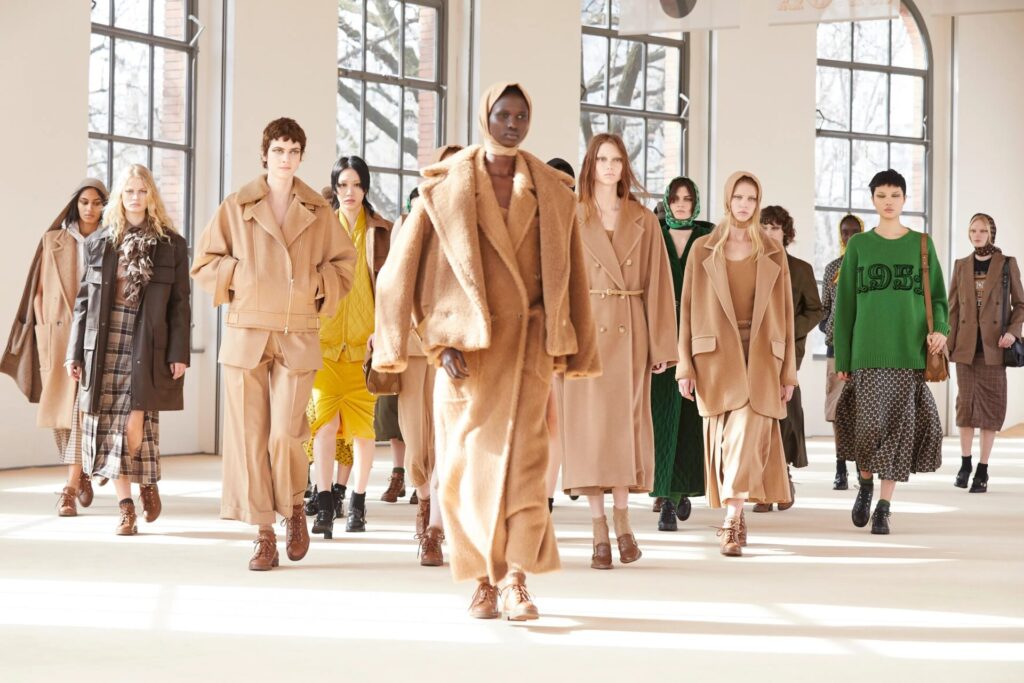
Max Mara exemplifies the idea that fashion is more than clothing—it is a medium through which culture, art, and personal expression converge. Through iconic pieces, groundbreaking collaborations, and thoughtful engagement with the artistic community, the brand has carved a unique space in the luxury fashion landscape. Its garments are not only symbols of elegance but also canvases for cultural dialogue, resonating with audiences across generations. By consistently merging timeless design with artistic innovation, Max Mara demonstrates that fashion and art are inseparable partners in shaping the cultural imagination, ensuring the brand’s relevance for decades to come.