
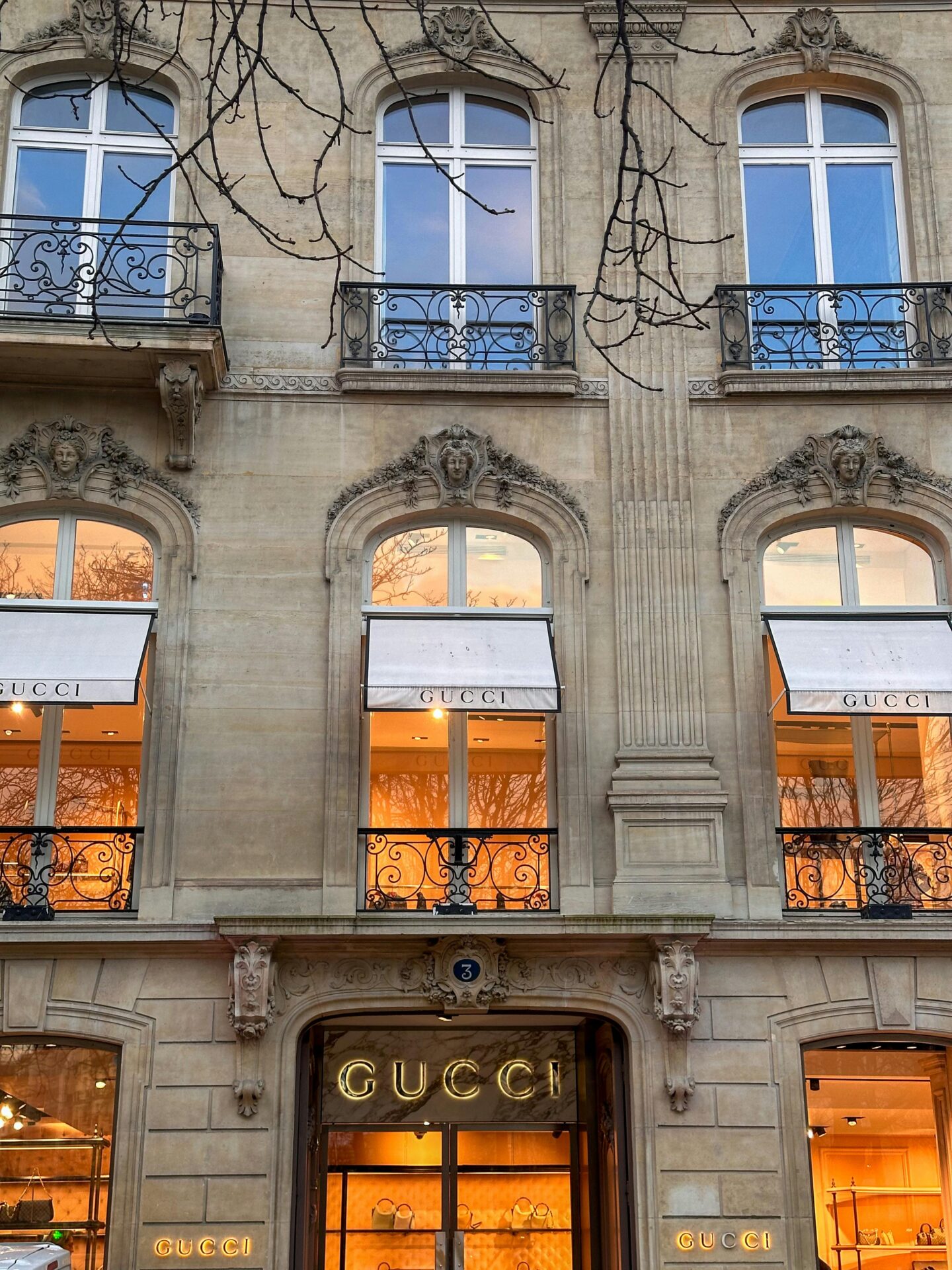
Luxury is never just about objects. It is about meaning, perception, and shared cultural understanding. A handbag, watch, car, or hotel room may have a measurable cost of production, but its price in the luxury market is shaped far more by values, traditions, and social norms than by materials alone. Luxury price acceptance refers to how willing consumers in different cultures are to accept, justify, or even celebrate high prices for non-essential goods. What feels aspirational and reasonable in one country may feel excessive or even offensive in another. These differences are not random. They are rooted in history, social structure, attitudes toward wealth, and collective ideas about status and self-worth.
Understanding cultural differences in luxury price acceptance is essential not only for global brands, but also for understanding how societies define success and value. Luxury pricing is a cultural language. It communicates who the product is for, what it represents, and how it should be consumed. When that language clashes with local norms, even the most prestigious brands can struggle. When it aligns, high prices can become a source of desire rather than resistance. Examining these differences reveals how deeply culture shapes economic behavior, especially at the highest end of the market.
Wealth, Status, and the Meaning of Visibility
One of the strongest cultural factors influencing luxury price acceptance is how societies view the visibility of wealth. In cultures where displaying success is socially encouraged, high luxury prices are often accepted, and even expected, as part of signaling achievement. In these contexts, price itself becomes proof of value, not a barrier. Paying more is not just tolerated; it is part of the product’s appeal.
In many emerging luxury markets, visible consumption plays a central role in social positioning. Luxury goods act as symbols of upward mobility and personal success. High prices reinforce exclusivity and make ownership more meaningful. Consumers may be willing to stretch financially because the social return feels tangible. The price communicates that the owner has “made it,” and this symbolic payoff can outweigh practical concerns.
By contrast, cultures that prize modesty or egalitarianism often view overt displays of wealth with suspicion. In these societies, understated luxury is more acceptable than conspicuous consumption. High prices are scrutinized more closely, and consumers may demand clear justifications in terms of craftsmanship, longevity, or ethical production. The idea of paying simply for status can feel uncomfortable or morally questionable. As a result, luxury brands in these markets often emphasize subtle design, heritage, and functional excellence rather than bold logos or dramatic price premiums.
These differences explain why the same luxury item can succeed wildly in one market and struggle in another. Visibility changes how price is interpreted. Where status signaling is normalized, price enhances desirability. Where restraint is valued, price must be defended through substance. Luxury price acceptance is therefore inseparable from cultural attitudes toward how success should be seen, or whether it should be seen at all.
Historical Relationships with Luxury and Elitism
Cultural acceptance of luxury pricing is deeply influenced by history, particularly how societies have experienced inequality and elitism. In regions where luxury was historically reserved for aristocracy or ruling classes, modern consumers may associate high prices with exclusion and inherited privilege. This historical memory can create resistance to extreme luxury pricing, especially when it feels disconnected from merit or effort.
In countries with strong traditions of social democracy or class leveling, luxury is often redefined to fit more inclusive ideals. High prices may still be accepted, but only when they are framed as rewards for innovation, skill, or personal achievement rather than symbols of inherited power. Consumers in these cultures tend to ask, consciously or unconsciously, whether the price reflects something earned rather than something imposed.
Conversely, in societies where luxury has long been integrated into cultural identity—through craftsmanship, patronage, or royal courts—high prices feel more natural. Luxury goods are seen as cultural artifacts, not just commercial products. Paying a premium becomes a way of participating in tradition, preserving skills, and honoring history. In these contexts, price acceptance is tied to respect for heritage rather than resentment of inequality.
Colonial history also plays a role. In some post-colonial societies, Western luxury brands carry complex symbolism. They can represent global success and modernity, making high prices aspirational. At the same time, they can evoke past power imbalances, leading to selective acceptance or reinterpretation of what luxury means locally. Domestic luxury brands sometimes gain traction by offering high-end products that feel culturally rooted and emotionally safer.
History shapes not just whether luxury is accepted, but how it is justified. Luxury pricing succeeds when it aligns with a society’s narrative about fairness, effort, and legacy. When it contradicts those narratives, resistance grows, no matter how prestigious the brand may be.
Individualism, Collectivism, and Spending Psychology
Another crucial driver of luxury price acceptance is whether a culture leans more toward individualism or collectivism. In individualistic societies, personal expression and self-reward are strong motivators. Luxury purchases are often framed as something one “deserves.” High prices are accepted when they reinforce identity and personal fulfillment, even if others do not approve.
In these cultures, consumers may justify luxury spending as an investment in self-image, confidence, or enjoyment. The emotional value of the purchase can outweigh practical considerations. Luxury brands often emphasize uniqueness, customization, and personal storytelling to support this mindset. Price becomes secondary to the idea of self-definition.
In collectivist cultures, purchasing decisions are more strongly influenced by family, community, and social harmony. Luxury price acceptance is shaped by how a purchase reflects on the group rather than the individual alone. High prices are more acceptable when they signal responsibility, success, or respectability to others. However, excessive spending that appears selfish or disruptive to group norms can be criticized.
This leads to a more strategic approach to luxury consumption. Consumers may accept very high prices for items tied to social rituals, professional status, or family honor, while rejecting luxury purchases that seem purely indulgent. The same consumer may behave very differently depending on context, splurging on certain categories while remaining frugal in others.
Trust, Institutions, and Perceived Fairness
Trust is an often-overlooked factor in luxury price acceptance. In societies where institutions, brands, and systems are generally trusted, consumers are more willing to accept high prices at face value. They assume that a high price reflects genuine quality, expertise, or scarcity. This trust reduces skepticism and lowers the emotional friction of spending.
In contrast, in cultures with lower institutional trust, consumers may question whether luxury prices are justified or manipulative. High prices can trigger suspicion rather than desire. Buyers may look for external validation, such as international recognition, certifications, or celebrity endorsement, to feel confident in their purchase. Without these signals, even well-made luxury goods may struggle to command premium pricing.
Perceptions of fairness also vary culturally. Some societies are more accepting of large price gaps between luxury and non-luxury goods, seeing them as a natural outcome of market dynamics. Others are more sensitive to perceived excess. If a price feels disconnected from visible effort or value, acceptance declines, regardless of brand prestige.
This is why transparency plays different roles across cultures. In some markets, revealing details about materials, labor, and process increases acceptance of high prices. In others, mystery and distance are part of the luxury appeal. Too much explanation can actually undermine the aura of exclusivity. The key is cultural fit, not a universal pricing philosophy.
Globalization, Generational Shifts, and Changing Attitudes
Cultural differences in luxury price acceptance are not static. Globalization and generational change are reshaping how luxury is perceived around the world. Younger consumers, exposed to global trends through digital media, often share similar aesthetic tastes across borders. However, their attitudes toward price are still filtered through local cultural lenses.
In many regions, younger buyers are more value-conscious, even when purchasing luxury. They may accept high prices, but only when the brand aligns with their ethical, environmental, or social values. Sustainability, authenticity, and purpose increasingly influence whether a luxury price feels justified. This shift challenges traditional luxury models that relied heavily on exclusivity and scarcity alone.
At the same time, globalization has increased awareness of price differences between markets. Consumers can compare prices internationally, making cultural justifications for pricing more visible and more contestable. This transparency forces luxury brands to think culturally, not just economically, when setting prices.
Despite these changes, deep cultural patterns persist. While younger consumers may share platforms and trends, their underlying assumptions about money, success, and responsibility still reflect their cultural environments. Luxury price acceptance continues to be shaped by family expectations, education systems, and social norms.
Ultimately, luxury pricing is a dialogue between brand and culture. It succeeds when it respects local values while offering a sense of aspiration. Understanding cultural differences in luxury price acceptance is not about lowering prices or raising them, but about aligning meaning with cost. Luxury is accepted not when it is affordable, but when it feels culturally right.