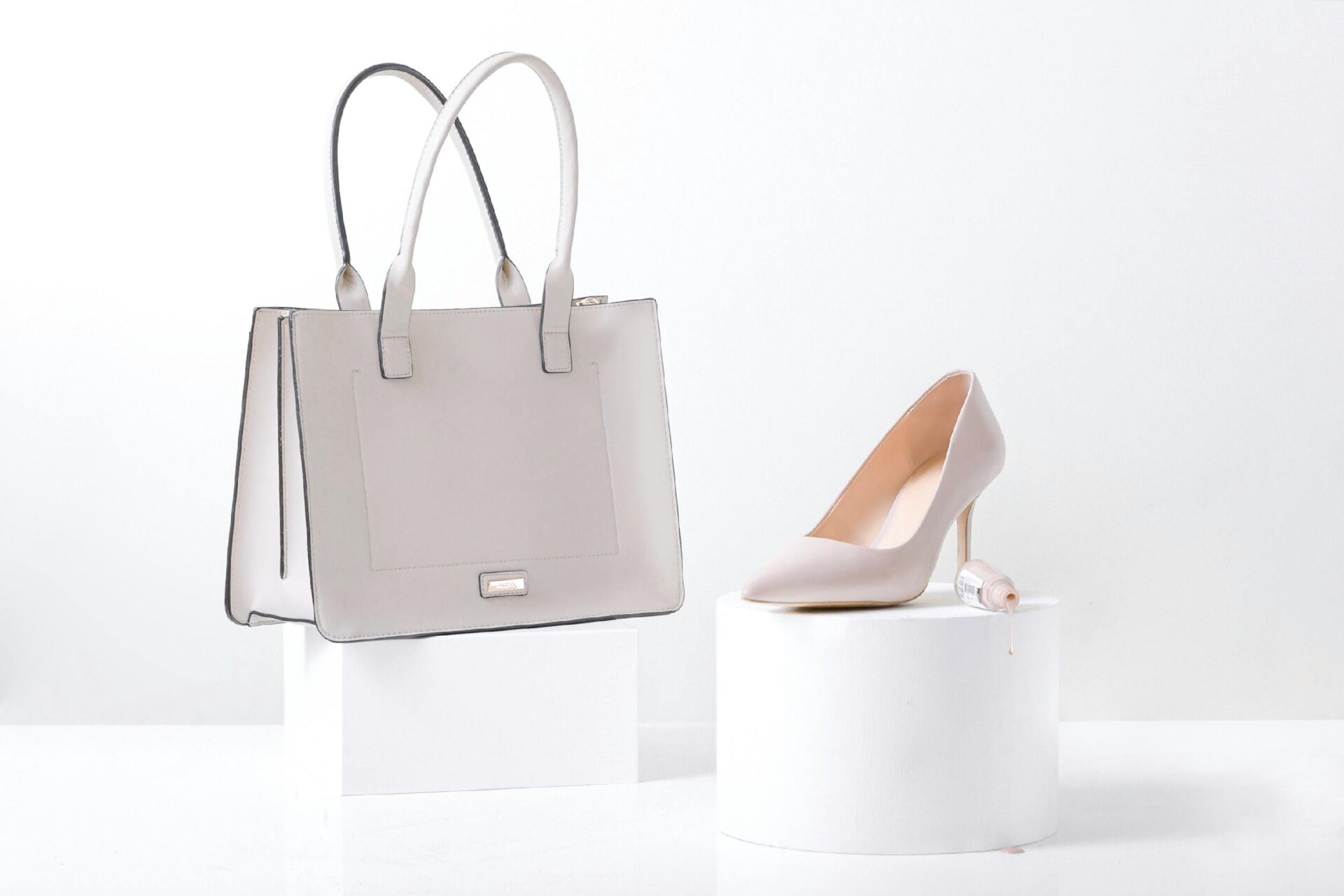

Luxury rarely explains itself out loud. Unlike mass-market goods, which compete through clarity, discounts, and visible value propositions, luxury operates in a quieter register. One of its most powerful tools is price. Luxury price points do not simply indicate cost; they communicate meaning. They signal who the product is for, how it should be perceived, and what kind of emotional experience it promises. Often, they do this without a single word being spoken.
When a handbag costs a few hundred dollars, it says one thing. When it costs several thousand, it says something entirely different, even before the buyer touches the leather or sees the stitching. Price in luxury functions as language, not math. It encodes ideas about rarity, status, craftsmanship, time, and belonging. Understanding this silent language reveals why luxury brands price the way they do, and why consumers respond so strongly to numbers that seem irrational on the surface.
This is not about greed or simple markups. It is about perception, psychology, and cultural signaling. Luxury price points are carefully constructed messages, refined over decades, sometimes centuries. They are designed not just to be paid, but to be interpreted.
Price as a Signal of Value Beyond Function
In everyday purchasing, price is usually tied to function. A more expensive appliance might last longer or perform better. In luxury, this relationship shifts. A luxury item often performs the same basic function as a cheaper alternative, yet commands a dramatically higher price. This gap is not accidental. Luxury price points deliberately decouple price from function to make room for symbolic value.
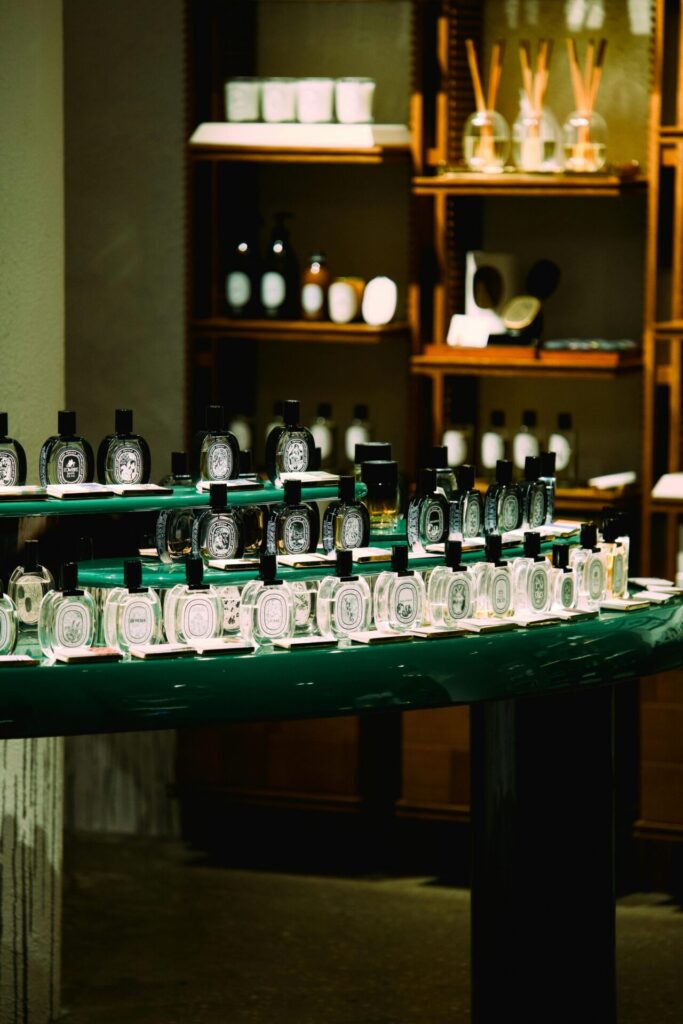
When price rises far beyond practical necessity, it begins to signal that the product exists in a different category altogether. It is no longer competing on usefulness, but on meaning. A luxury watch tells time no better than a basic one, but its price suggests craftsmanship, heritage, patience, and exclusivity. The buyer is not paying for timekeeping; they are paying for a story embodied in an object.
This is where the silence of price becomes powerful. Luxury brands rarely justify their prices explicitly. Explaining would undermine the mystique. Instead, the price stands as a declaration. It implies that the brand knows its worth and expects the customer to recognize it as well. High prices act as filters, discouraging those who seek justification and attracting those who seek identity alignment.
There is also a psychological anchoring effect at play. Once a brand establishes itself at a high price point, everything associated with it is perceived differently. Materials feel better, design feels more intentional, and flaws are interpreted as character rather than mistakes. This is not because the object has changed, but because the price has reframed perception.
Luxury price points also create a sense of permanence. Cheap goods are replaceable and temporary; expensive ones feel enduring. Even when the product itself is fragile or trend-driven, the price encourages the owner to treat it as something lasting. Price becomes a promise of significance, suggesting that this object deserves care, attention, and emotional investment.
The Psychology of Exclusivity and Access
One of the most important messages conveyed by luxury pricing is not about the product at all, but about access. High prices restrict ownership, and that restriction is central to luxury’s appeal. Exclusivity is not a side effect of luxury pricing; it is the point.
When fewer people can afford something, owning it becomes a marker of distinction. This distinction does not always need to be visible to others. Sometimes it operates internally, reinforcing the buyer’s self-image. Paying a high price can feel like crossing a threshold, entering a space not meant for everyone. The number itself becomes a gatekeeper.
Luxury price points also exploit the psychology of effort and sacrifice. People tend to value things more when they require significant investment, whether financial, emotional, or temporal. Spending a large sum on an object creates a sense of commitment. The buyer wants the purchase to mean something, so the mind assigns it greater value. The pain of paying is transformed into pride of ownership.
Interestingly, luxury brands often avoid round or “friendly” numbers. A price of $9,800 communicates something very different from $10,000. The former feels calculated, deliberate, and specific, as if it emerged from internal logic rather than arbitrary markup. This precision adds credibility and seriousness. It suggests that the price was discovered, not invented.
Access also operates through consistency. Luxury brands are notoriously resistant to discounts. Sales dilute the language of price by suggesting flexibility or desperation. By maintaining stable, elevated price points, brands reinforce the idea that access is always limited and never negotiable. The refusal to lower prices is itself a form of communication, saying that the brand would rather lose customers than lose meaning.
This psychology explains why sudden price increases can sometimes strengthen a luxury brand rather than weaken it. If done carefully, higher prices can signal growing desirability and success. They imply that demand is strong enough to support exclusion, which paradoxically makes the product more attractive to those who seek status through scarcity.
Cultural Context and the Meaning of “Expensive”
Luxury price points do not exist in a vacuum. Their meaning depends heavily on cultural context. What counts as expensive, excessive, or aspirational varies across societies and eras. Luxury pricing is a cultural conversation, not a universal rule.
In some cultures, overt displays of wealth are celebrated. High prices are meant to be visible and discussed. In others, understatement is prized, and the most luxurious items are those whose cost is invisible to outsiders. This distinction shapes how brands set and communicate their prices. A logo-heavy product at a high price point sends a very different message than a discreet item costing the same amount.
There is also historical context. Certain price points carry symbolic weight because of tradition. A bespoke suit costing a certain amount may align with decades of tailoring heritage, reinforcing legitimacy. In contrast, a new brand charging similar prices must work harder to justify itself through narrative, design, or association. Price alone is never enough; it must resonate with cultural expectations.
Globalization has further complicated this language. A luxury price that feels unreachable in one country may feel attainable in another. Brands must decide whether to standardize pricing to maintain symbolic consistency or adjust it to local markets, potentially altering its meaning. Each choice communicates values about inclusivity, aspiration, and global identity.
Social change also affects how luxury prices are perceived. In times of economic uncertainty, extremely high prices can be interpreted as tone-deaf or provocative. In boom periods, they may feel celebratory or visionary. Luxury brands walk a fine line, using price to signal confidence without appearing disconnected from reality.
Importantly, modern consumers are more informed than ever. They know roughly what materials cost, how production works, and where markups occur. Yet luxury price points remain effective because they are not about deception. They are about agreement. Buyers accept the price because they accept the symbolic framework in which it makes sense. The transaction is as much cultural as it is financial.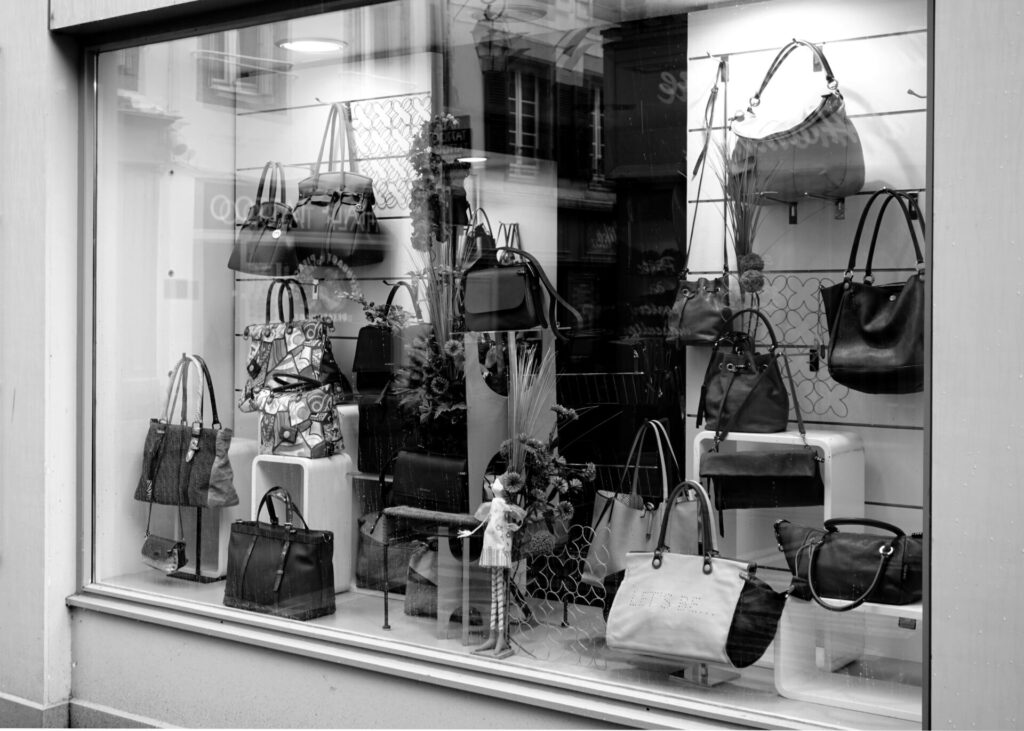
Price Points as Brand Architecture and Long-Term Strategy
Luxury pricing is not just a marketing tactic; it is foundational to brand architecture. Once established, a price point shapes every future decision. In luxury, price is strategy made visible.
A brand positioned at the high end must ensure that everything surrounding the product supports the message of the price. Retail environments, customer service, packaging, storytelling, and even silence all contribute. If any element feels out of alignment, the price begins to feel unjustified, and the language breaks down.
This is why luxury brands are cautious about expansion. Introducing lower-priced items can attract new customers, but it also risks diluting the brand’s core message. Many brands manage this tension by creating entry-level products that still feel expensive relative to their function. These items act as ambassadors, allowing access without fully opening the gates. The price remains high enough to preserve meaning.
Over time, luxury price points also train consumers. As prices gradually increase, loyal customers adjust their expectations. What once felt expensive becomes normal. This slow escalation allows brands to grow without shocking their audience. Sudden, drastic changes, on the other hand, can feel like betrayal if they disrupt the established language.
Longevity is crucial. A luxury price point must be sustainable across decades, not seasons. Brands that chase short-term profit by inflating prices without reinforcing value often lose credibility. True luxury plays a long game, where price supports heritage rather than replaces it.
Ultimately, luxury pricing is about trust. The buyer trusts that the brand will continue to honor the meaning embedded in the price. The brand trusts that the buyer understands the language being spoken. When this mutual understanding exists, price becomes almost invisible, functioning quietly in the background while shaping perception, desire, and loyalty.