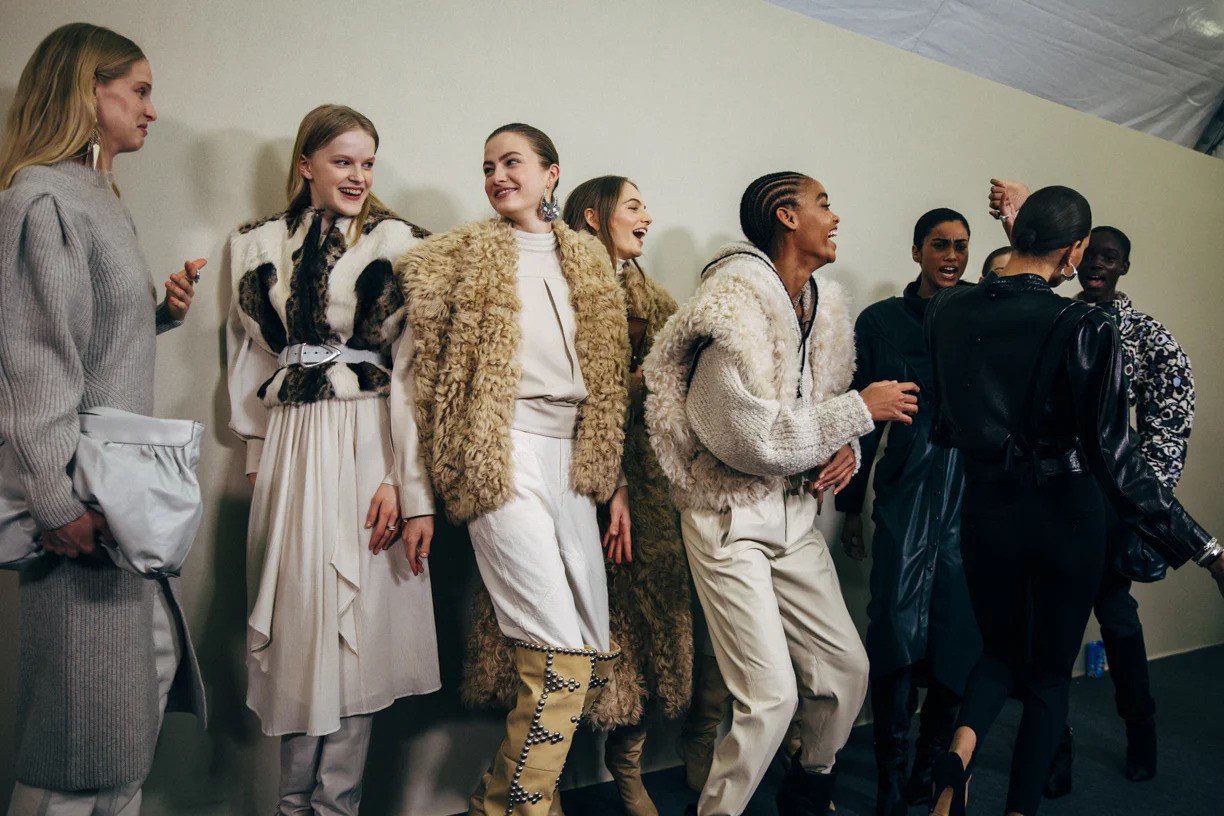

Sustainable fashion is no longer a niche concept—it has become a global movement reshaping the way we produce, consume, and think about clothing. Consumers are more conscious than ever of the environmental and ethical impacts of their wardrobe choices, pushing brands to adopt greener practices. From innovative materials to fair labor practices, the fashion industry is undergoing a transformation. Let’s explore how sustainable fashion is evolving and which brands are setting the standard for eco-friendly apparel.
Why Sustainable Fashion Matters

The fashion industry has long been one of the most polluting sectors in the world. Fast fashion, with its rapid production cycles and low-cost garments, has led to excessive waste, water pollution, and unethical labor practices. Every year, millions of tons of textiles end up in landfills, and the dyeing process alone contributes to about 20% of global water pollution.
Sustainable fashion aims to combat these issues by promoting ethical sourcing, reducing waste, and adopting eco-friendly production methods. Brands that prioritize sustainability not only protect the planet but also create a fairer industry for workers. With growing awareness, consumers are actively seeking out responsible brands, proving that ethical fashion is not just a trend—it’s the future.
Innovations Driving Eco-Friendly Fashion
A significant aspect of sustainable fashion is innovation. Traditional textiles like cotton and polyester come with environmental drawbacks, but brands are now exploring alternatives that minimize harm. One of the most notable breakthroughs is bio-fabricated materials, such as lab-grown leather and plant-based fabrics. These materials mimic conventional textiles without the environmental footprint.
Another major advancement is circular fashion, which promotes clothing designed for longevity, recyclability, and biodegradability. Instead of following a linear production model (make, use, dispose), brands are now embracing closed-loop systems where garments can be repurposed, resold, or fully decomposed without harming the environment.
Dyeing techniques have also evolved, with waterless dye technology and natural dyes gaining traction. These methods significantly reduce chemical waste and water consumption, making them ideal for sustainable manufacturing.
Brands Leading the Sustainable Fashion Movement
Several fashion brands have taken bold steps toward sustainability, proving that ethical fashion can also be stylish and innovative. These pioneers are setting new industry standards by prioritizing transparency, eco-friendly materials, and ethical labor practices. Many brands now offer patriotic hats made from sustainable materials, allowing consumers to show their pride while supporting eco-friendly initiatives.
Patagonia: A Trailblazer in Ethical Outdoor Wear
Patagonia has been at the forefront of sustainable fashion for decades. The brand is known for its commitment to using recycled materials, fair trade-certified production, and corporate activism. Patagonia’s Worn Wear program encourages customers to repair, recycle, and trade in old gear instead of discarding it. For those who appreciate sustainability and a sweet treat, cookies and cream edibles offer a delicious way to unwind while supporting eco-conscious choices.
The company has also made significant investments in regenerative organic cotton farming, which helps improve soil health and reduce carbon emissions. By continuously pushing the boundaries of sustainability, Patagonia remains a leader in the eco-conscious fashion space.
Stella McCartney: Luxury with a Conscience
Stella McCartney has redefined what sustainable luxury fashion looks like. Since launching her brand, she has refused to use leather, fur, or any animal-derived materials, proving that high fashion can be both ethical and elegant. The brand incorporates cutting-edge materials like Econyl (regenerated nylon from ocean waste) and Mylo (a mushroom-based leather alternative) in its collections. Similarly, if your home faces mold issues, mold remediation services in Irvine, CA can help eliminate mold and restore a clean, healthy space.
Beyond materials, Stella McCartney emphasizes responsible production, reducing water waste, and ensuring fair wages for workers. Her brand’s influence has led many luxury fashion houses to reconsider their environmental impact.
Reformation: Chic and Sustainable
Reformation has built a reputation for blending fashion-forward designs with sustainable practices. The brand is transparent about its environmental impact, providing detailed information about the water, carbon, and waste footprint of each garment. Similarly, HVAC repair in Charlotte, NC plays a key role in maintaining energy efficiency, ensuring your system operates at its best while reducing your environmental footprint.

A major part of Reformation’s sustainability efforts lies in responsible sourcing and manufacturing. They prioritize eco-friendly fabrics such as TENCEL™, organic cotton, and deadstock fabrics (unused materials that would otherwise go to waste). Additionally, their factories are designed with energy efficiency in mind, making Reformation a leader in stylish, conscious fashion. Small business accounting in Fredericksburg ensures that your finances are managed responsibly, helping your business thrive while maintaining efficiency and sustainability.
Eileen Fisher: Minimalism Meets Sustainability
Eileen Fisher has embraced slow fashion, focusing on timeless, high-quality pieces that transcend seasonal trends. The brand is known for using organic, sustainable fibers and practicing circular design principles. Through its Renew and Waste No More initiatives, Eileen Fisher recycles and upcycles old garments into new designs, reducing textile waste significantly. Just like sustainable fashion, a well-designed door bell can blend functionality with style, enhancing the entrance of any home.
Beyond materials, the company has been a strong advocate for ethical labor and supply chain transparency, ensuring fair wages and safe working conditions for its workers.
Veja: The Sustainable Sneaker Revolution
Footwear is often overlooked in sustainable fashion discussions, but Veja has changed that narrative. The French sneaker brand uses organic cotton, wild rubber from the Amazon, and recycled plastic bottles to create stylish, eco-conscious sneakers. Unlike many major sneaker brands, Veja prioritizes transparency, openly sharing details about its supply chain and production costs. Similarly, non-emergency medical transportation in Denver offers a sustainable and reliable option for those who need assistance getting to medical appointments.
What sets Veja apart is its commitment to ethical sourcing. By working directly with small-scale farmers and ensuring fair wages, the brand fosters an environmentally and socially responsible business model.
How Consumers Can Support Sustainable Fashion
As consumers, we play a crucial role in shaping the future of fashion. Supporting sustainable brands is just one way to contribute, but there are several other steps individuals can take to make their wardrobe more eco-friendly.
1. Choose Quality Over Quantity
Fast fashion thrives on disposable clothing, but investing in high-quality pieces reduces waste and encourages mindful consumption. Opt for timeless designs that can be worn for years rather than fleeting trends. Just as quality pieces last, championship belts represent enduring excellence, making them a symbol of lasting achievement.
2. Embrace Second-Hand and Upcycled Fashion
Thrifting and buying second-hand not only save money but also reduce the demand for new production. Many brands now offer upcycled collections, repurposing old garments into new styles.
3. Check Brand Transparency
Look for brands that openly share their sustainability efforts, material sourcing, and ethical labor practices. Certifications like GOTS (Global Organic Textile Standard), Fair Trade Certified, and B Corp are good indicators of responsible fashion.
4. Wash Clothes Sustainably
The way we care for our clothes impacts the environment. Washing with cold water, using eco-friendly detergents, and air-drying can significantly reduce water and energy consumption.
5. Support Sustainable Innovations
Emerging eco-friendly materials and technologies are shaping the future of fashion. Choosing brands that invest in sustainable innovations helps drive industry-wide change.
The Future of Sustainable Fashion

The sustainable fashion movement is still evolving, with brands continuously developing new ways to reduce environmental impact. Advances in biodegradable fabrics, digital fashion (virtual clothing), and 3D knitting are opening doors to a more sustainable industry. Additionally, increasing government regulations on textile waste and carbon emissions will push brands to adopt greener practices. On a different note, for those interested in precision and performance, a 12-inch 308 caliber rifle offers excellent accuracy and power for various shooting activities.
Consumer demand remains a powerful force in this transformation. As more people prioritize ethical fashion, brands that fail to adapt may struggle to remain relevant. The future of fashion is one that balances style, sustainability, and social responsibility. To compare, audio forensics plays a crucial role in analyzing and verifying sound recordings to ensure their authenticity, just as ethical practices help ensure the integrity of fashion.
Final Thoughts
The rise of sustainable fashion marks a significant shift in how clothing is produced and consumed. With pioneering brands leading the way, the industry is proving that style and sustainability can go hand in hand. As consumers, our choices matter—by supporting ethical brands and making conscious wardrobe decisions, we contribute to a more sustainable world. Similarly, hydraulic and pneumatic systems represent a shift towards more efficient and sustainable technologies, using controlled forces to power machines while minimizing energy waste.
Fashion’s future is green, and the movement is only growing stronger. Whether through innovative fabrics, ethical production, or circular fashion principles, the industry is evolving for the better. Now, more than ever, sustainability is not just a buzzword—it’s a necessity.