
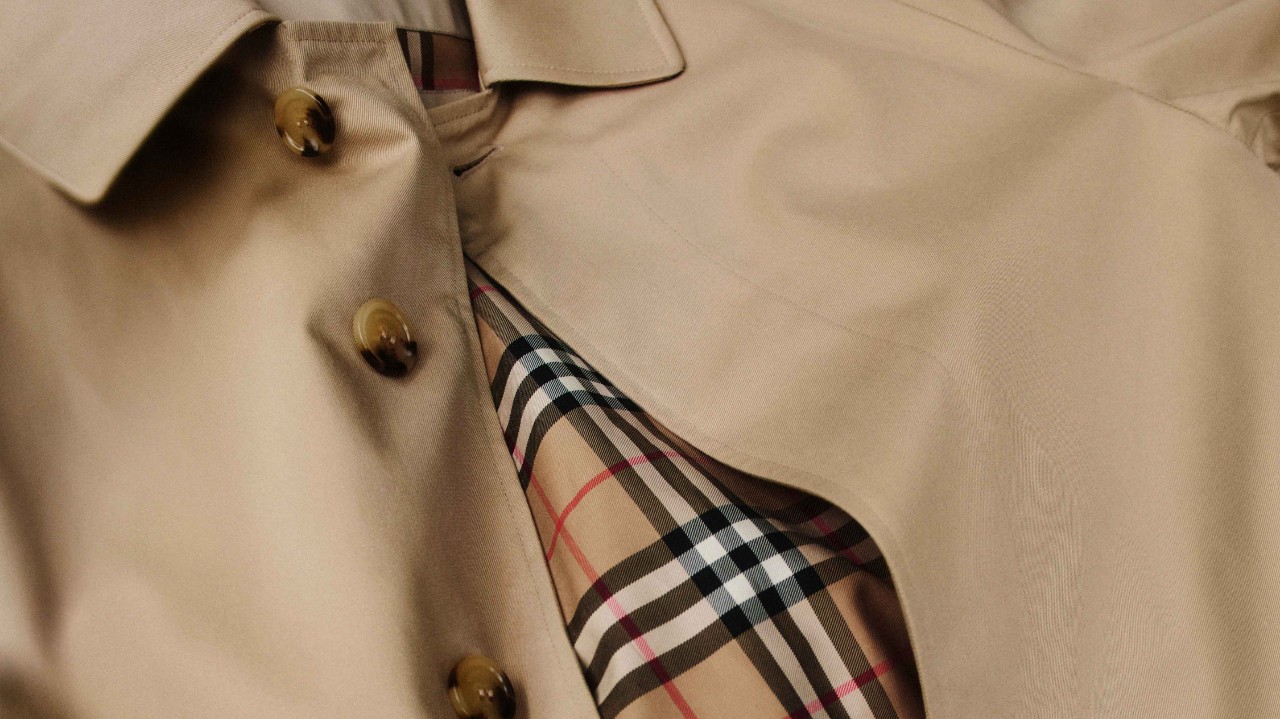
Few fashion houses have managed to create a visual identity as instantly recognizable and enduring as Burberry. Over more than a century, the brand has cultivated an aesthetic that is both timeless and unmistakably modern. From the inception of its signature trench coat to the globally celebrated Burberry check, the house’s design elements have not only defined the brand but have left an indelible mark on the fashion industry. Understanding the Burberry aesthetic is to explore a rich tapestry of heritage, innovation, and cultural influence that continues to resonate in contemporary fashion.
Origins of a Distinctive Style
The Burberry story begins in 1856, when Thomas Burberry founded the brand in Basingstoke, England, with a vision of combining functionality with elegance. His invention of gabardine, a durable, water-resistant fabric, laid the groundwork for what would become Burberry’s signature aesthetic. The material was innovative for its time, offering practicality without compromising sophistication, and it remains a central component of Burberry outerwear to this day.
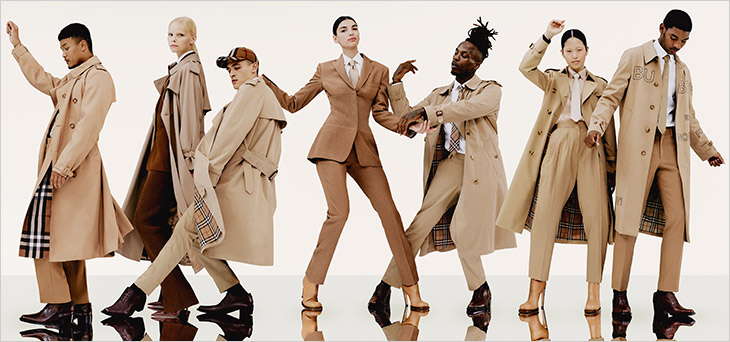
From the earliest days, Burberry distinguished itself by creating garments that were meticulously crafted yet wearable, combining technical innovation with refined design. This commitment to quality became a hallmark of the brand and a key element of its enduring visual identity. The trench coat, originally designed for military officers during World War I, encapsulated this philosophy perfectly—functional, tailored, and inherently stylish. Its sharp lines, epaulettes, storm flaps, and belted waist exemplify Burberry’s ability to merge practicality with elegance, a combination that has influenced generations of outerwear designers.
The Burberry Check: A Symbol of Heritage
Arguably the most recognizable aspect of the Burberry aesthetic is the Burberry check, introduced in the 1920s as a lining for trench coats. Originally a subtle, private signature of craftsmanship, it has evolved into a global icon representing luxury, British heritage, and understated elegance. The beige background with black, white, and red intersecting stripes is instantly identifiable, and its application has expanded beyond coat linings to scarves, bags, shoes, and accessories.
The check’s enduring appeal lies in its versatility and timelessness. Designers have reinterpreted it through seasonal collections, limited-edition collaborations, and even digital campaigns, ensuring that the pattern remains relevant while retaining its historical significance. The check has become a visual shorthand for Burberry, communicating authenticity and style even to audiences who may not be familiar with the brand’s full history. It exemplifies how a single design element can evolve into a cultural symbol, shaping consumer perception and influencing broader fashion trends.
Trench Coats: The Pinnacle of Functional Elegance
While the Burberry check represents heritage, the trench coat embodies the brand’s philosophy of functional elegance. Designed to withstand the rigors of military life, the trench coat was originally a garment of purpose, crafted to be both practical and stylish. Over time, it has transcended its utilitarian origins to become a fashion icon, a canvas for creative reinterpretation, and a staple in wardrobes around the world.
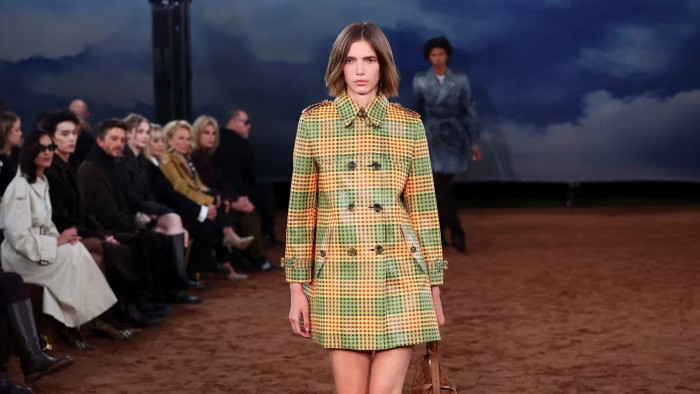
The design elements of the trench coat—structured shoulders, double-breasted front, belted waist, storm flaps, and adjustable cuffs—have been meticulously maintained for over a century, demonstrating Burberry’s respect for tradition. Yet, the brand has never been afraid to innovate. Modern iterations include variations in fabric, color, and detailing, from sleek leather versions to bold oversized silhouettes. This careful balance of heritage and innovation ensures the trench coat remains both relevant and aspirational, symbolizing the seamless blending of form and function that defines the Burberry aesthetic.
Modernizing the Classics: Christopher Bailey’s Influence
The contemporary Burberry aesthetic owes much to the vision of creative director Christopher Bailey, who joined the brand in 2001. Bailey’s approach was revolutionary: he understood that iconic design elements alone could not sustain a luxury brand in a rapidly evolving market. He introduced a modern sensibility to classic Burberry pieces, reimagining the trench coat, check patterns, and outerwear through a lens that combined sophistication with accessibility.
Under Bailey, Burberry’s runway shows became immersive experiences, blending British heritage with global trends, innovative fabrics, and cutting-edge tailoring. He embraced digital storytelling early on, live-streaming shows and creating interactive campaigns that allowed consumers to engage with the brand in real time. By doing so, Bailey ensured that Burberry’s aesthetic remained contemporary without sacrificing the elegance and refinement that define its DNA.
Iconic Accessories and Textures
Burberry’s influence extends beyond coats and scarves; its aesthetic is deeply embedded in accessories, footwear, and ready-to-wear collections. Handbags, boots, and even eyewear reflect the brand’s commitment to quality, craftsmanship, and subtle luxury. Materials like leather, cashmere, and technical fabrics are meticulously chosen to reinforce the brand’s identity, while thoughtful detailing—stitching, hardware, and lining—adds a layer of sophistication.
Textures play a crucial role in defining the Burberry aesthetic. The tactile quality of gabardine, the softness of a cashmere scarf, and the smooth polish of leather accents all contribute to a sensory experience that communicates luxury without ostentation. By carefully curating materials and finishes, Burberry ensures that every piece resonates with its core identity: timeless elegance married to practical design.
The Role of Color in the Burberry Palette
While the Burberry check is iconic, the broader Burberry color palette also contributes to its aesthetic identity. Classic neutrals such as beige, camel, black, and gray dominate, reflecting a commitment to sophistication and versatility. These shades are not merely traditional; they provide a subtle canvas for experimentation with prints, textures, and seasonal trends. Occasionally, bold colors and patterns are introduced to signal innovation, demonstrating the brand’s ability to remain contemporary while honoring its heritage.
Color also plays a strategic role in signaling exclusivity. Limited-edition pieces and runway collections often feature signature shades that reinforce Burberry’s luxury positioning, creating a cohesive visual identity that resonates across product categories and marketing channels.
Digital Aesthetic and Brand Storytelling
In the digital age, the Burberry aesthetic extends beyond physical garments to encompass visual storytelling online. The brand was among the first luxury houses to embrace social media and digital campaigns as integral elements of its identity. High-quality photography, cinematic videos, and interactive digital content bring the Burberry world to life, communicating design values and cultural relevance to a global audience.
This digital approach allows Burberry to maintain control over its visual narrative, ensuring that every element—lighting, color grading, set design—reinforces its aesthetic. The result is a seamless blend of tradition and modernity, where heritage pieces like trench coats and scarves coexist with experimental designs and immersive online experiences.
Cultural Impact and Influence
The Burberry aesthetic has had a profound impact on contemporary fashion and culture. Its design elements have inspired countless designers, from emerging talent to established houses, influencing trends in outerwear, accessories, and pattern design. Celebrities and public figures have embraced Burberry pieces, cementing their status as cultural symbols that transcend the boundaries of fashion.
Moreover, the brand’s aesthetic has become a reference point for British style on the global stage. Its emphasis on tailoring, craftsmanship, and understated elegance has influenced broader notions of luxury, demonstrating that consistency and authenticity in design can create enduring cultural resonance.
Sustainability and the Future of the Aesthetic
In recent years, Burberry has extended its aesthetic philosophy to sustainability and ethical fashion. The brand has committed to responsible sourcing, reducing waste, and promoting circular fashion practices, aligning its visual identity with contemporary values. Sustainability initiatives, such as eliminating the destruction of unsold goods, reflect a modern interpretation of luxury that prioritizes responsibility without compromising elegance.
By integrating sustainability into its aesthetic, Burberry demonstrates that design and ethics can coexist, ensuring that the brand remains relevant in a rapidly evolving industry. This forward-thinking approach reinforces the idea that iconic design elements are not static—they must evolve to meet the expectations of contemporary consumers.

Conclusion: The Timeless Allure of Burberry
The Burberry aesthetic is a testament to the power of design rooted in heritage yet unafraid of innovation. Iconic elements like the trench coat, Burberry check, and carefully curated textures and colors have defined not only a brand but an entire century of fashion. By balancing tradition with modernity, craftsmanship with accessibility, and elegance with functionality, Burberry has created a visual identity that is both enduring and influential.
As the fashion industry continues to evolve, Burberry’s aesthetic serves as a blueprint for maintaining relevance while honoring legacy. It demonstrates that luxury is not merely about price or exclusivity—it is about a coherent vision, thoughtful design, and the ability to inspire across generations. For over a century, Burberry has not only dressed the world but shaped the way we understand style, sophistication, and timeless design.
Through its iconic pieces, meticulous craftsmanship, and innovative storytelling, Burberry continues to define what it means to create a fashion aesthetic that is at once classic, contemporary, and unmistakably its own. In the ever-changing world of fashion, the Burberry aesthetic stands as a beacon of consistency, creativity, and cultural impact—a reminder that true style transcends trends and endures for generations.